
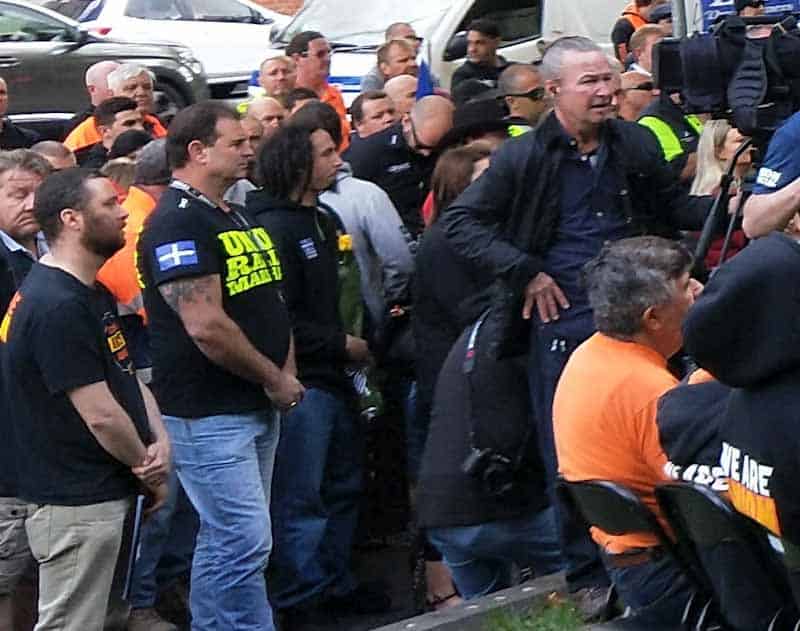
Recently, it was revealed that a senior leader of the Construction Forestry Mining and Energy Union (CFMEU), John Setka, has lodged a workers’ compensation claim alleging post-traumatic stress disorder related to his work. Setka (pictured above second from the left) is a controversial trade union and political figure, especially in Victoria, and anyone can lodge a worker’s compensation claim. However, the media reporting identifies some curious factors to this claim.
Category: Leadership
Latest OHS News from Herbert Smith Freehills
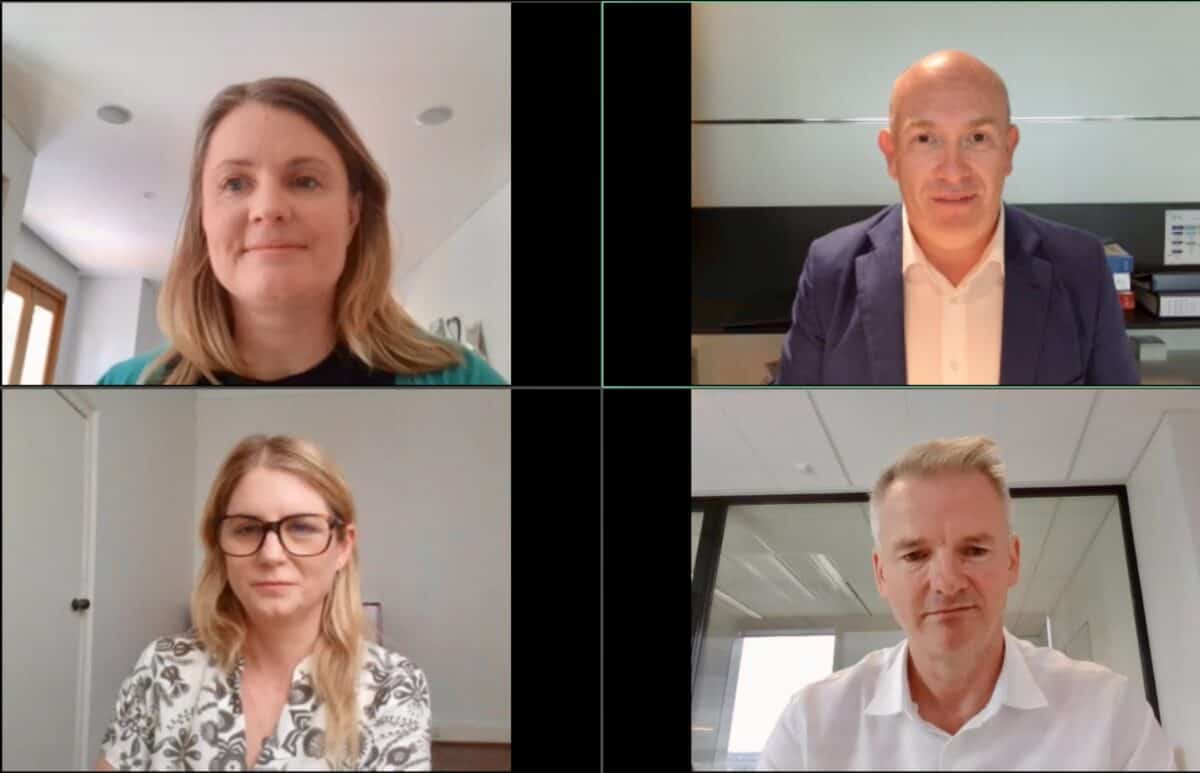
One of the most important sources of information about occupational health and safety (OHS) is seminars organised by law firms. A great example was a webinar hosted by Herbert Smith Freehills on October 30, 2024, as part of its Safety Leadership Series. It was a general discussion on Australia’s most prominent OHS issues but outlined increasingly significant consequences.
How bad must it have been?
The corporate cultures of Australia’s mining industry have been under substantial scrutiny for over a decade. Sexual harassment, bullying, work-related suicides and more psychosocial hazards have been identified with strategies introduced to address the cultures that contribute to these occupational harms.
On 20 November 2024, Rio Tinto released a progress survey on its cultural change initiatives, which the Australian Financial Review (AFR) described as showing a “backlash” to these reforms. This survey is a significant document for those on similar journeys and for occupational health and safety (OHS) advocates.

What are the most substantial impediments to improving the health and safety of workers?
This is the second in a possible series of articles based on an artificial intelligence analysis of decades of audio interviews and recordings with occupational health and safety professionals, academics, lawyers and more used for this blog and my other writings. This time, I asked:
What are the most substantial impediments to improving the health and safety of workers?
Several substantial impediments to improving worker health and safety emerge from the conversations:
The United States approach to work health and safety is getting creepy.
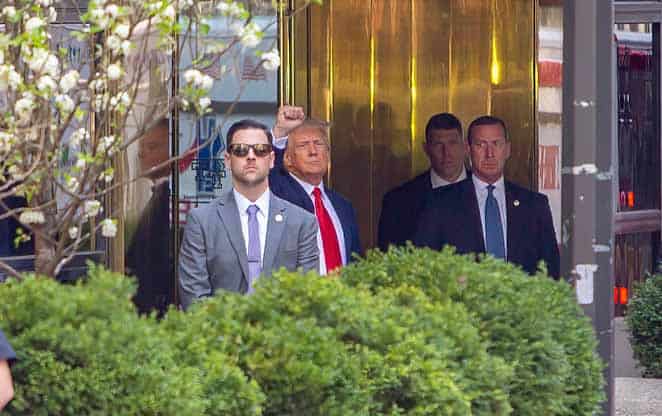
For most of the world, Donald Trump‘s re-election to the United States presidency is a non-event. Politicians and journalists are really interested, but Trump has little direct impact on our lives, and his policies, morals, and political strategies will affect us indirectly. Perhaps the most significant impact will be environmental.
Our business leaders take inspiration from American companies and corporate cultures. Even though he has yet to choose his Secretary of Labor, there are indications that occupational health and safety (OHS) is unlikely to progress under Trump’s term. It is useful to be aware of how Trumpian corporate culture and values may affect (infect?) the rest of the world.
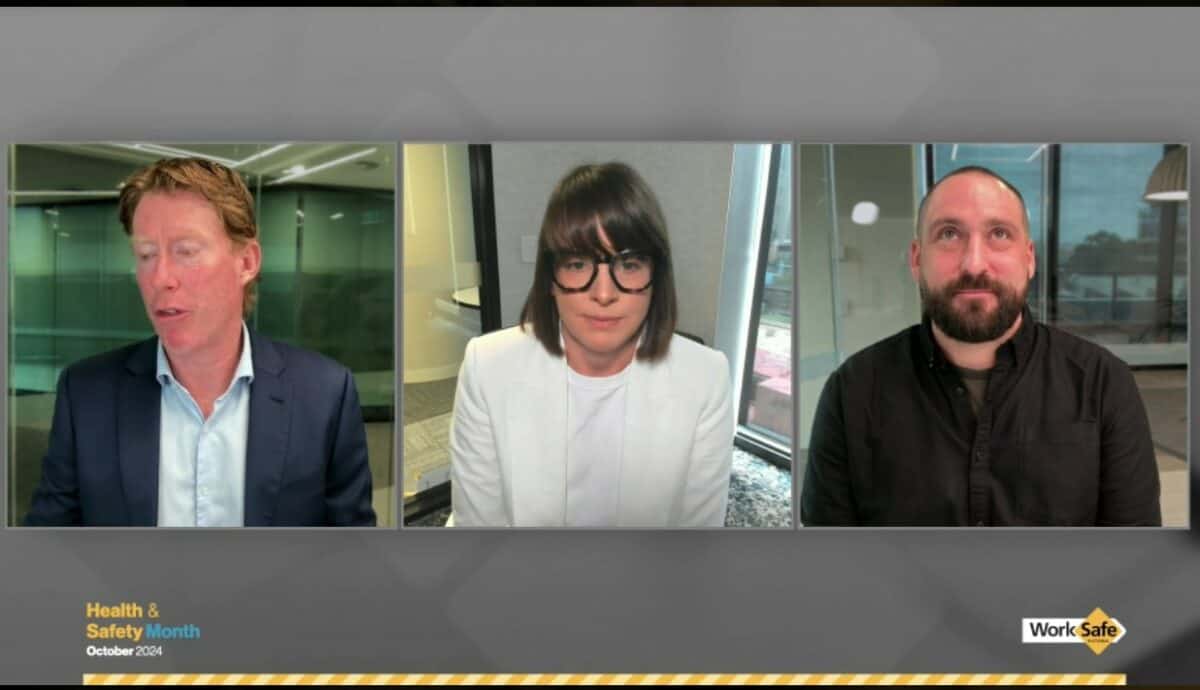
Two very different Safe Work Month events
In the last week of October 2024, which is Australia’s National Safe Work Month, WorkSafe Victoria held two notable webinars: “Addressing and improving health and safety issues in the workplace” and ” Prevent and manage psychosocial hazards in the workplace.” The themes were occupational health and safety (OHS), but the webinars differed greatly in content and presentation.
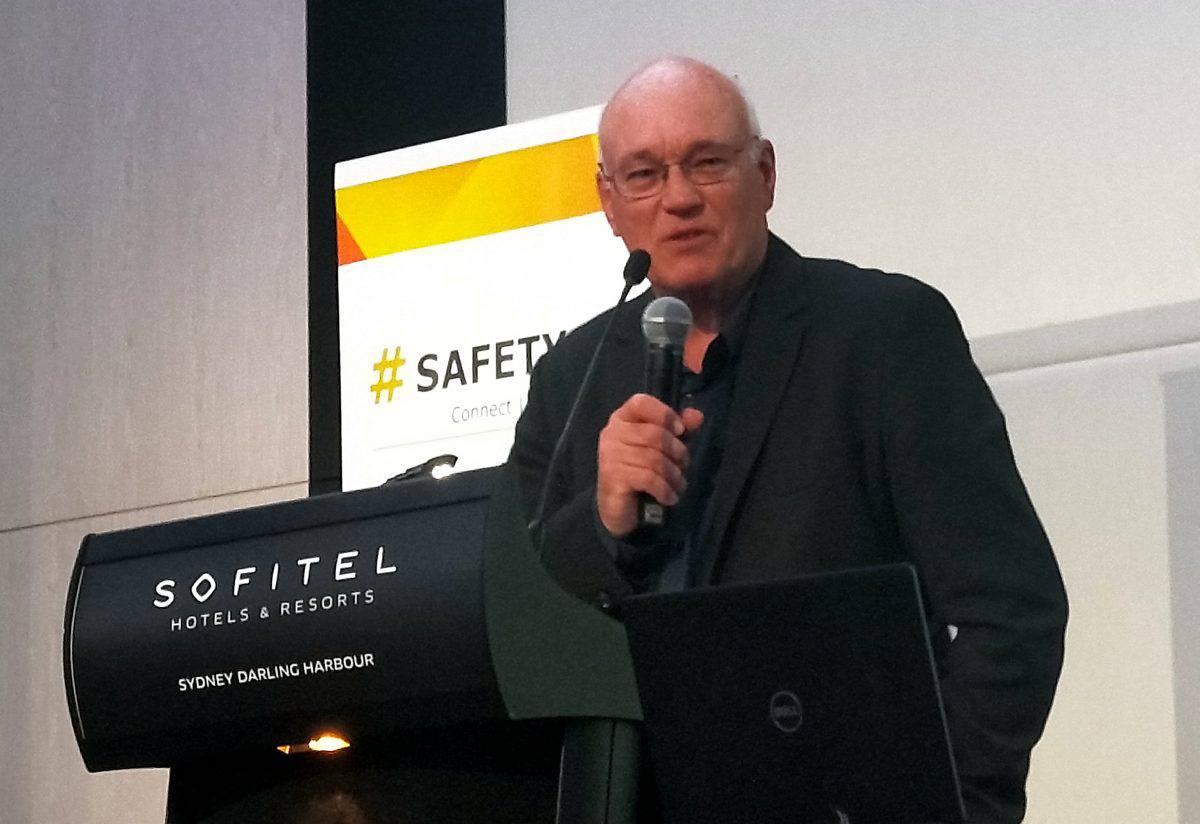
“If you don’t sound the alarm, who will?” Matt Peacock and work health and safety
Prominent investigative journalist, Matt Peacock, has died from pancreative cancer. Few of us are lucky enough to save people’s lives, some of us change the world. Matt did both. He was never an occupational health and safety (OHS) specialist but his impact on the world of work, especially in Australia was profound and, probably, unmatched.
In 2019, I was helping the (then) Safety Institute of Australia with its conferences. I approached Matt to speak at the 2019 national conference dinner in Sydney, hoping he would be provocative. (Here is an article from that time) He shocked many in the audience when saying:
“..my message tonight is that if you were all doing your jobs properly, then I wouldn’t have had anything to report on in the first place.”
He did not let up on his challenging criticism that night. Below is the full transcript of his presentation, available for the first time.