

Ross Gittins is a prominent Australian economics journalist. In The Age on September 20, 2023, he wrote an article about the recent spate of corporations being prosecuted and penalized for breaking the law. Many of his points can also relate to companies and executives breaking occupational health and safety (OHS) laws.
Continue reading “Toothless enforcement”Category: Leadership

OHS context in many mainstream news stories, if you look
Occupational health and safety (OHS) is rarely reported on in the mainstream newspapers but every week OHS is there, adding a contect to a scandal or subtext to a public health risk. Last weekend was no different. The Guardian of September 16, 2023 reported on a review of personal relationships by BP, a prison escape, deaths from air pollution, a more relaxed approach to work, shoplifting and customer aggression, and more.

Tough Treatment for Asbestos Contamination and Thyssen Krupp’s Exit Plan
It’s been years since I have seen anything in the Australian press about companies or individuals being penalised for asbestos contamination. That despite workers telling me since being back in Australia, they have suspected asbestos when demolishing older domestic, cultural and industrial structures or even while digging shallow excavations in preparation for construction or mining.
It seems like Australian fashion for deregulation may have bitten into OHS.

“Tight Loose Tight” needs broader explanation
The Australian Industry Group (AIGroup) has published an article intended to rebuild trust between workers and employers and is based on a “Tight Loose Tight” concept. It seems to make sense and maybe moreso to its intended audience but it is missing essential integration.
Why is profit put before safety?
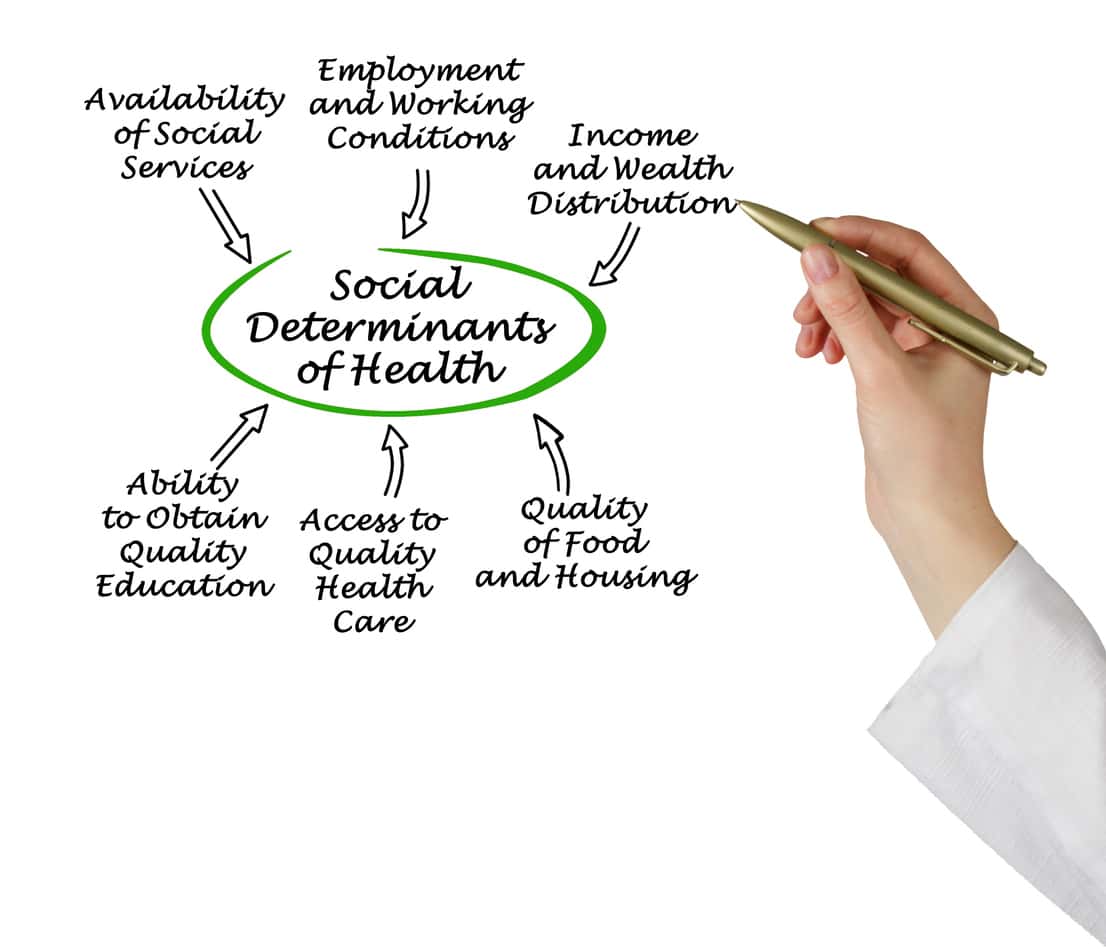
Occupational health and safety (OHS) is a remarkably insular profession. It tends to narrow its focus on legislative compliance even though Social Determinants of Health is a core unit of tertiary OHS education. OHS professionals are also notably weak in understanding the business realities that their employers and customers face. This inability to understand the economic realities is a common criticism of OHS, not reflecting “common sense” and being naïve.
To understand OHS’ limitations and potential, it is necessary to have a basic knowledge of the economic and political ideologies under which clients and employers work. “The Big Myth – How American Business Taught Us to Loathe Government and Love the Free Market”, by Naomi Oreskes and Erik M Conway, contributes to that understanding.

OHS lawyer says to trust your gut
Occupational health and safety (OHS) seminars can be a bit hit-and-miss. Sometimes they seem to be a front for promoting a new management program, but every so often, the information offered is perceptive and rewarding. Herbert Smith Freehills partner Steve Bell has been consistently rewarding over many years. No quoting Section 321 of an OHS Act or PowerPoint slide of obscure and semi-important court cases here. His latest seminar appearance covered
- Due Diligence,
- Industrial Manslaughter,
- Psychosocial Risk Assessments
- OHS Harmonisation.
The US take on heat and climate change
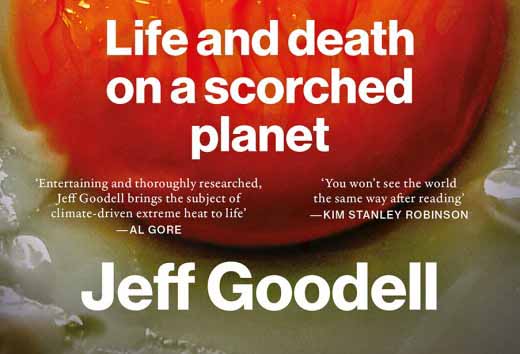
Coincidentally, as Europe burns and a little blog in Australia writes about the occupational context of excessive heat, a new book called Heat – Life and Death on a scorched planet was in the bookstores. Jeff Goodell, like so many North American authors, writes for his local readers even though his publishers sell books globally.
However, he does address the occupational health and safety (OHS) impacts of heat and offers some adaptations.