

Last month, the Sunday Times published an article with a concerning headline: “Resilience training for Gen Z is booming — and that’s no bad thing” (paywalled). Resilience training for psychological safety at work has not been discredited, but there is plenty of evidence showing it is insufficient and inappropriate as a primary strategy for preventing psychological harm. This evidence is being reflected in Australia’s Codes and guidance for managing psychological safety.
Category: mental-health

Why Your “Wellbeing Morning Tea” Won’t Impress a Regulator
[This is an attempt at satire]
In today’s rapidly evolving operational landscape, Australian organisations are increasingly aligning their strategic posture with the emerging consensus that psychosocial risk is, in fact, a WHS issue.
A bold stance, only 20 years behind schedule.

Respect as a Social Obligation, Not Just a Workplace Duty
Most of you will have been able to determine some of my values from the thousands of articles I have written here, but sometimes it is worth stopping, reviewing and clarifying. I met a friend in Zurich of a different political leaning from mine last week who, in a simple way, confirmed some of my thoughts.
He said that we need to respect each other. This is not difficult, but it can create enormous conflict and anxiety, especially as we continue to learn how traditional categorisations and approaches are no longer valid and may never have been.

End-of-year report
Every social media app is now offering an end-of-year wrap-up. I can’t do that. I can’t tell you how often you accessed the blog, or which were your “favourite” articles. But I can thank you for your support and wish you a safe holiday break and 2026.
Here are some stats I can provide for the blog watchers. To date, the blog has published 222 articles in 2025, averaging over 4 per week. If someone asks whether an annual subscription is worth it, let them know that each article costs them just over one dollar each.

Workplace Suicides Becoming Australia’s Next Regulatory Flashpoint
You should have heard by now that Safe Work Australia (SWA) has come through with guidance on having work-related suicides included in each jurisdiction’s occupational health and safety (OHS) legislation as incidents that will require notification to the local OHS regulator. If you haven’t, get a new OHS or Human Resources (HR) adviser because the future will be a bumpy, uncomfortable and challenging ride.
Warning: this article discusses suicide.

What changes does Leadership Require
In the landscape of occupational health and safety (OHS), executive leadership is often framed through the lens of compliance. However, as I and others have long argued, the law is the minimum; leadership must aim higher. Across hundreds of SafetyAtWorkBlog articles, a consistent theme emerges – safety leadership must evolve from bureaucratic oversight to moral accountability.
Continue reading “What changes does Leadership Require”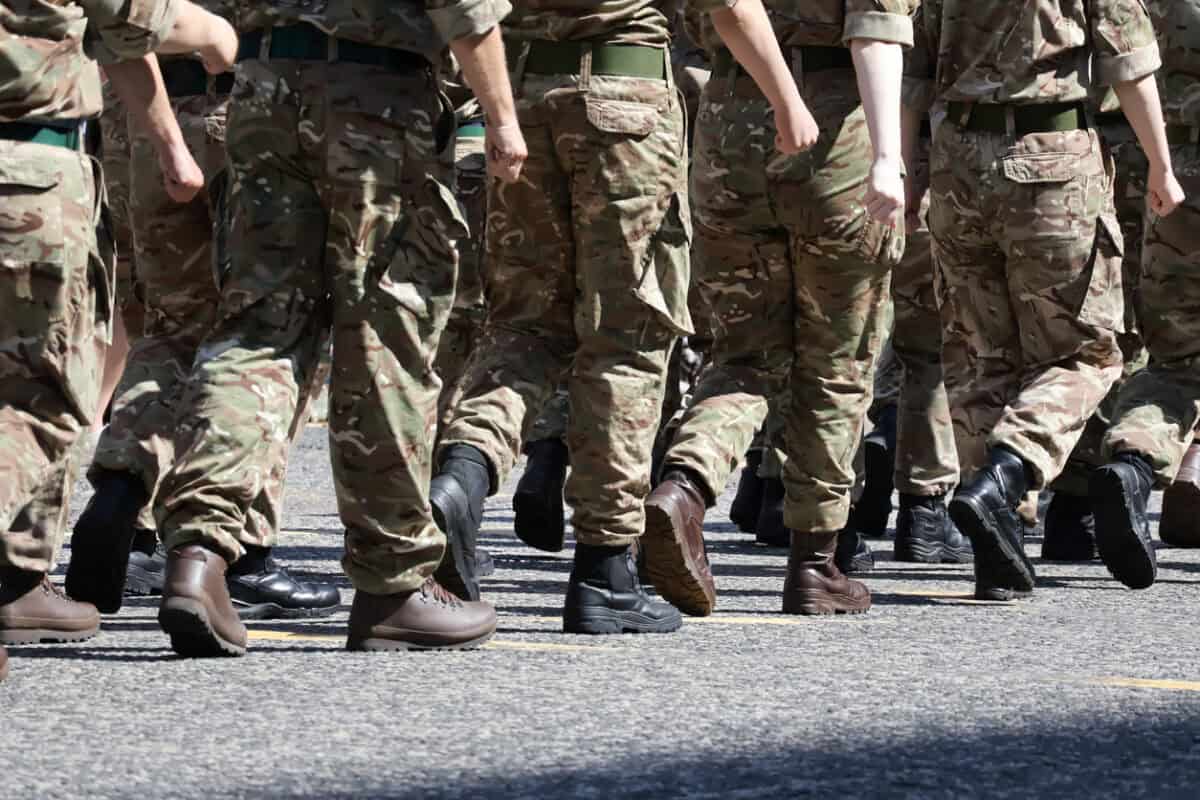
Reframing Military Misconduct as a Safety Failure
The goal of occupational health and safety (OHS) is to prevent harm. The goal of most people is to not hurt others with their actions. However, some industry sectors don’t seem to apply these goals, or they rationalise the harm they cause for various reasons, including the greater good, or a corruption of the greater good.
These industries often include those based on military management processes, such as command and control. The emergency services and defence forces are obvious examples. Over many years, the various emergency service organisations throughout Australia have been investigated for bullying, sexual harassment and toxic workplace cultures.
A new report from the United Kingdom seems to illustrate the lack of progress in that country’s military services.