
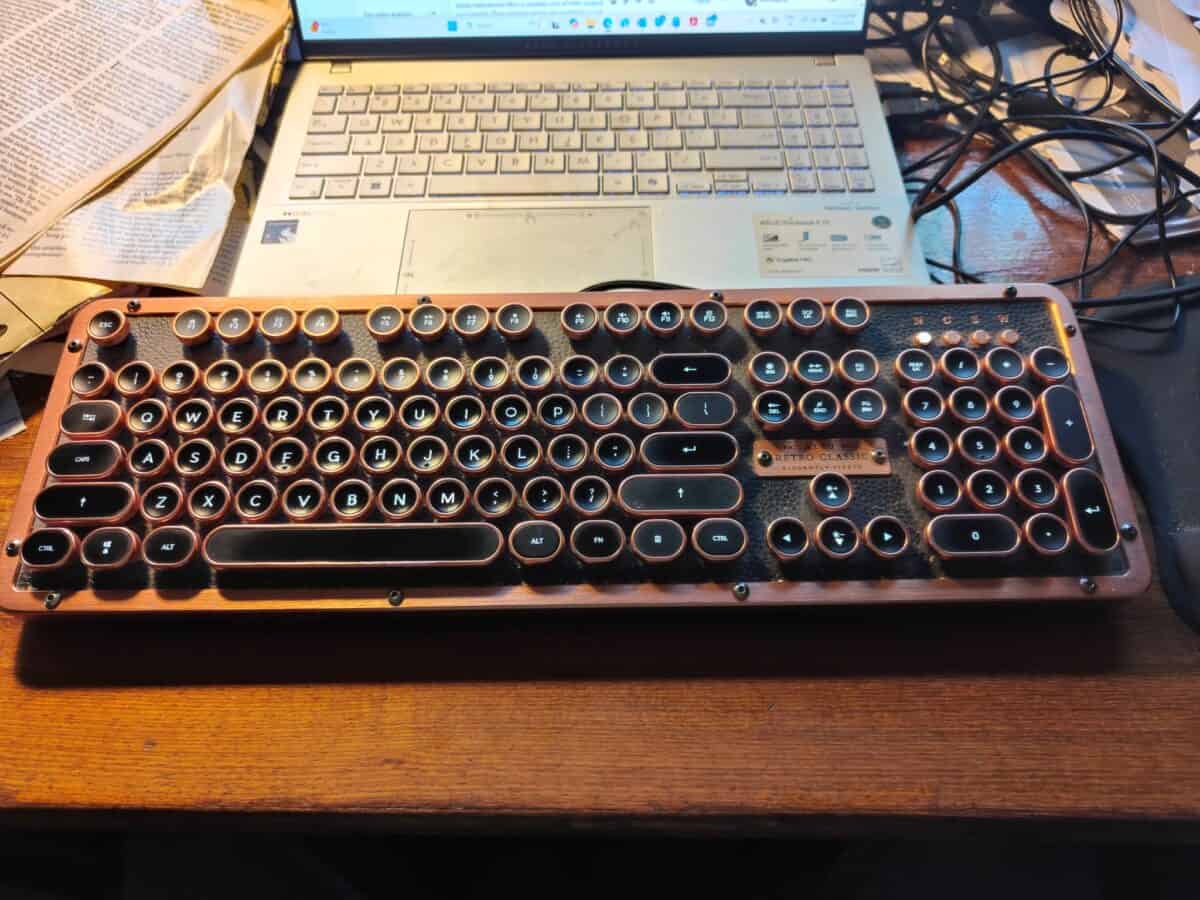
In today’s The Age newspaper is an article about a worker who claimed part of his rent for his home office as a work-related tax deduction (paywalled). The Australian Taxation Office rejected the claim, but it is now being considered by the Federal Court. There is a comment in the article that questions the need for a home office and challenges the occupational health and safety (OHS) context of working from home.
Category: mental-health

Training Alone Won’t Protect Electrical Apprentices
In August 2025, the Electrical Trades Union (ETU) released some disturbing occupational health and safety (OHS) statistics involving electrical apprentices. The story was picked up by the Australian Broadcasting Corporation in October, Australia’s Safe Work Month. The focus was on improving safety training for apprentices; however, this focus is primarily on lower-order hazard controls and overlooked employer OHS obligations. I contacted the ETU and EnergySafe Victoria. The ETU didn’t get back to me but below is EnergySafe’s informative response.
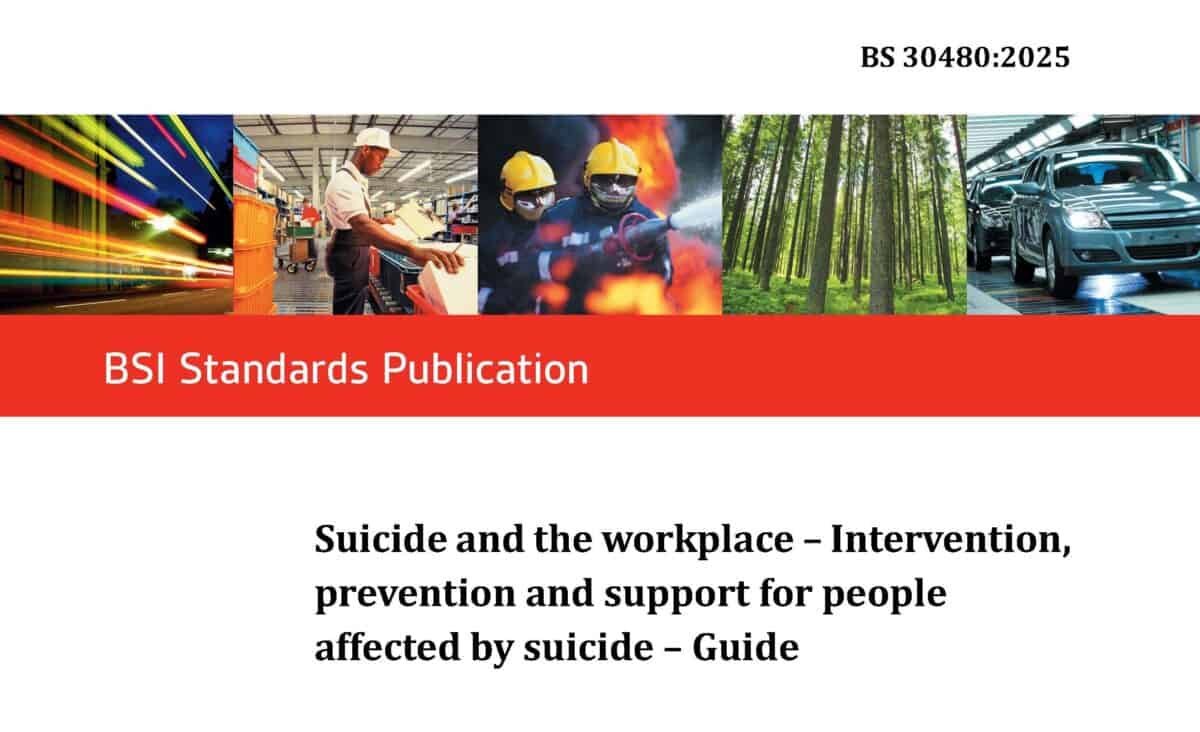
How BS30480 Challenges Tokenistic Mental Health Programs
British Standards Institute has just published BS30480, a standard called “Suicide and the workplace – Intervention, prevention and support for people affected by suicide – Guide”. It has come at the right time to show that the changes in psychological health at work in Australia are not in isolation.
Note: this article discusses workplace suicide factors.

What the Evidence Really Says About Working from Home
The chairwoman of Australia’s Productivity Commission, Danielle Woods, produced an op-ed in an Australian newspaper on 30 October 2025 about working from home. In this contentious workplace matter, Woods referred to evidence several times that the newspaper format does not readily allow for. Below are links to that important evidence and some analysis.
Another Step on the Long Road to Protecting Gig Workers
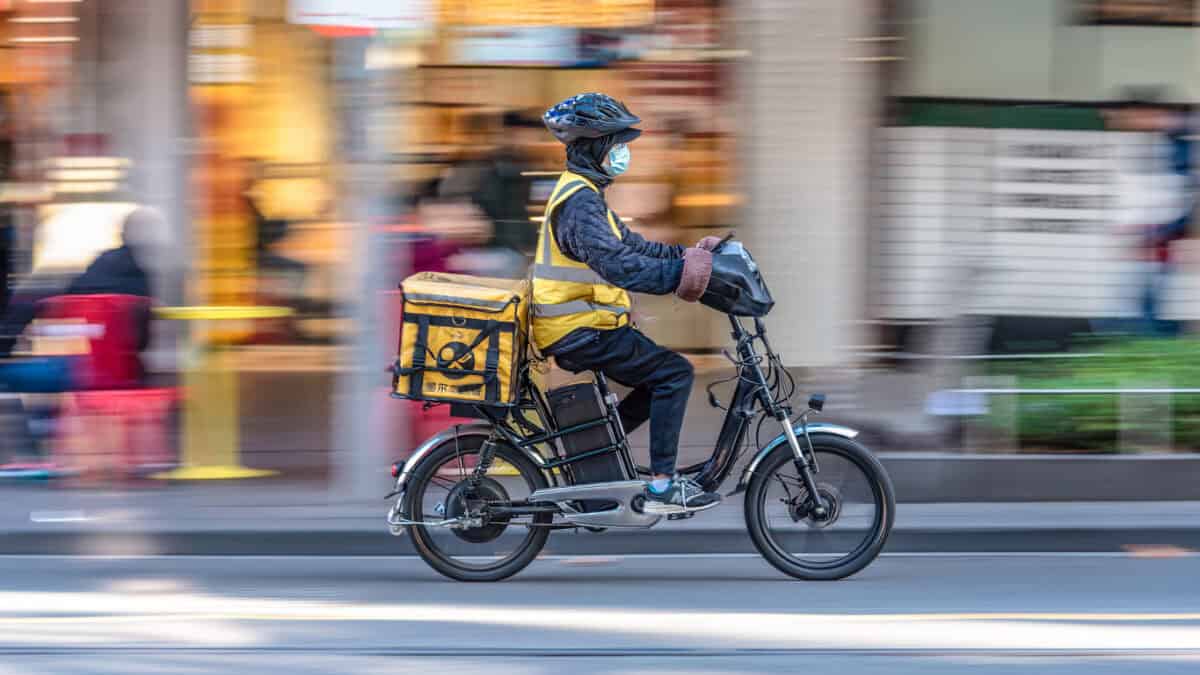
On October 21, 2025, the Australian Capital Territory’s Parliament debated (page P3249) expanding workers’ compensation to gig workers. Impediments to change were similar to those mentioned in various parliamentary inquires and debates ever since gig work developed into an industry sector and gig workers started to die at work. But the amendment passed so progress was made.

What We Lose When NDAs Win
Non-disclosure agreements (NDAs) are a contentious device used by lawyers, often as part of the settlement of a legal dispute. These came to the fore in the context of sexual harassment several years ago. The Victorian government has proposed a bill to Parliament that, according to the Australian Financial Review (AFR), will increase transparency. This should assist in determining changes to work processes that are as low as is reasonably practicable.
NDAs have been an insidious tool, especially in relation to sexual harassment at work.

NSW Debates Dollars While Workers Break Down
In New South Wales, reduced workers’ compensation for those workers suffering from a mental injury remains a politically hot topic. Independent Member of Parliament, Alex Greenwich, asked the Minister for Work Health and Safety, Sophie Cotsis, about maintaining “the sustainability of premiums”. This opened the door for Cotsis to inform the House and to attack the (Conservative) opposition. The debate highlighted the continuing misdirection from much more important and key occupational health and safety (OHS) reforms.