A Localised Reassessment of Common Sense

“Common Sense” is a concept all occupational health and safety (OHS) professionals must address, but that doesn’t mean it’s static. My six months on Norfolk Island provided me with a new perspective.

In several blog articles on “common sense”, I found the concept a deeply unreliable foundation for OHS because it is subjective, dismissive, and routinely used to defend and mask harmful organisational habits. As one article notes,

“Common Sense often seems to be the way I think or the way I do something – ‘It’s just common sense’”,
Subscribe to SafetyAtWorkBlog to continue reading.
Subscribe Help
Already a member? Log in here

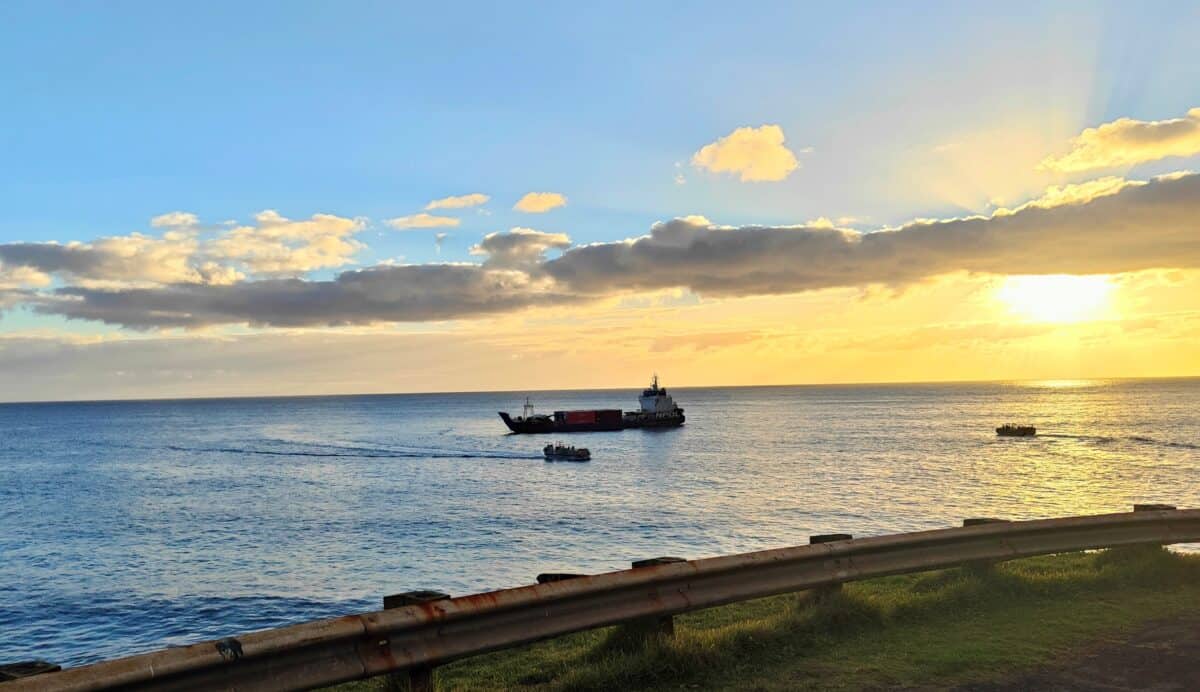
What’s it like living and working on a Pacific Island?

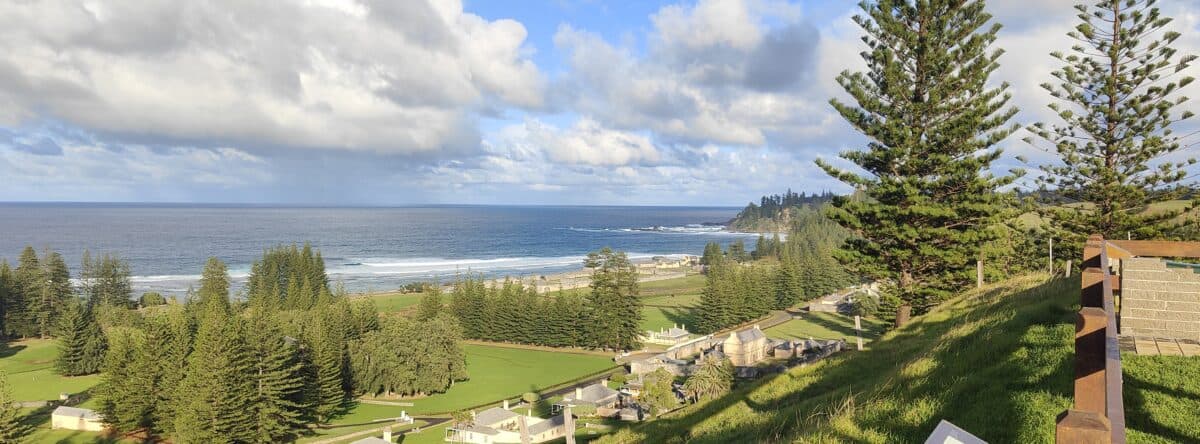
For the last 5 months I have been living and working on Norfolk Island, an external territory of Australia, three hours by plan off the east coast of Australia. I am on a 6-month contract which concludes in just over a week.

I have written regularly over the psychological impacts of Fly-in, Fly-Out (FIFO) workers and looked at this contract as an extreme example of working away from home and being isolated from friends and family. So how do I think I have coped?

Subscribe to SafetyAtWorkBlog to continue reading.
Subscribe Help
Already a member? Log in here

How BS30480 Challenges Tokenistic Mental Health Programs

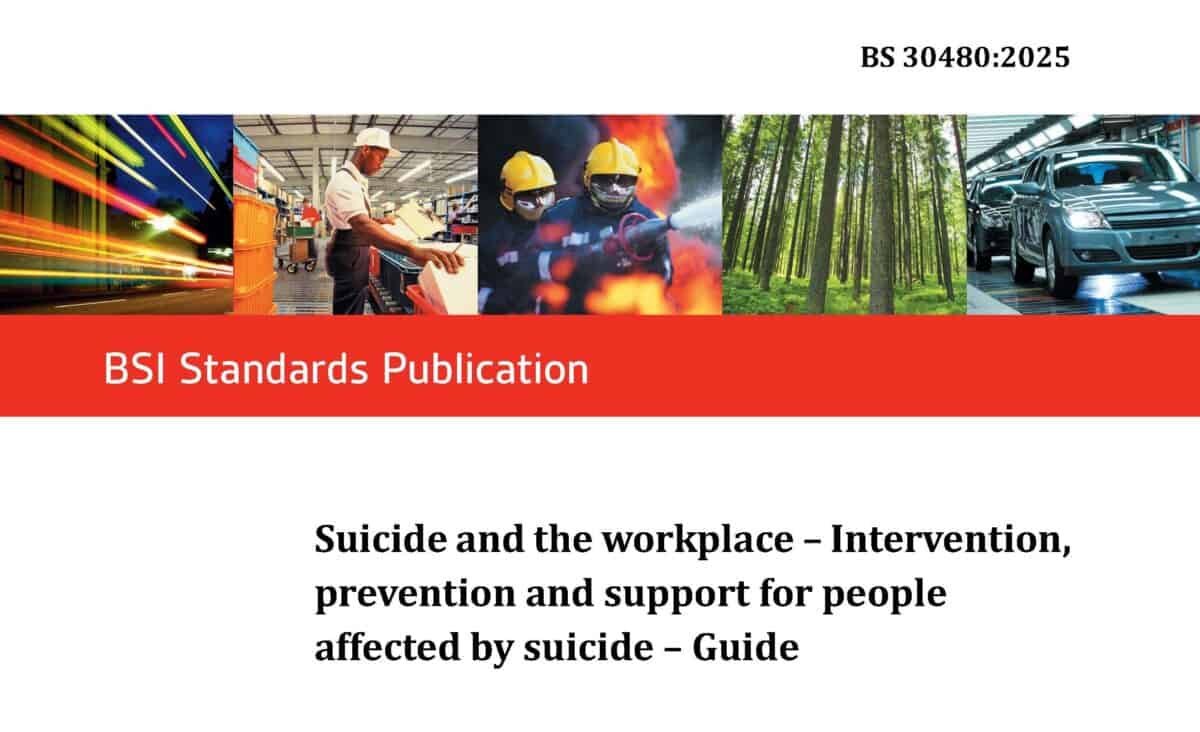
British Standards Institute has just published BS30480, a standard called “Suicide and the workplace – Intervention, prevention and support for people affected by suicide – Guide”. It has come at the right time to show that the changes in psychological health at work in Australia are not in isolation.

Note: this article discusses workplace suicide factors.

Subscribe to SafetyAtWorkBlog to continue reading.
Subscribe Help
Already a member? Log in here

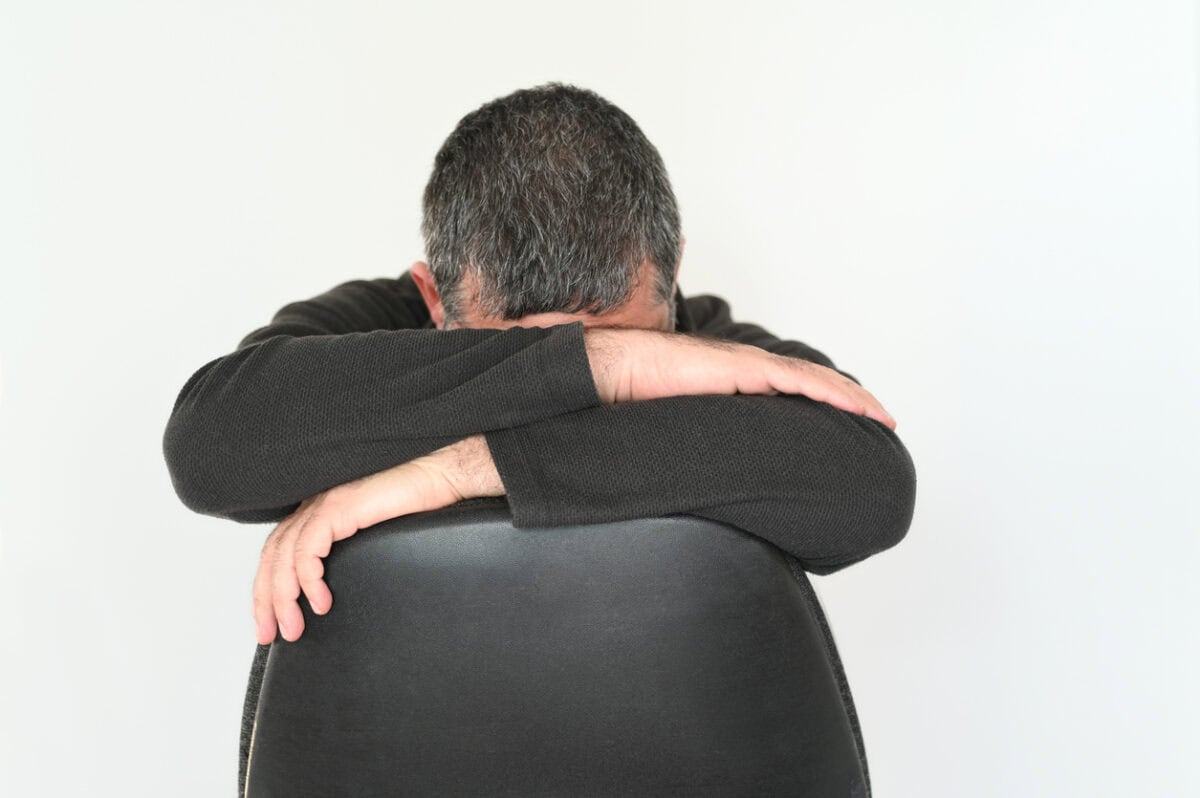
Male Loneliness and Work

Recent Australian research into male loneliness revealed some interesting work-related factors that employers may want to consider as part of their wellbeing and psychosocial change programs.

The research includes that among some social factors, like the persistent belief by men of having a breadwinner role:

Subscribe to SafetyAtWorkBlog to continue reading.
Subscribe Help
Already a member? Log in here

“the job is never done”

Every so often, there are sufficient numbers of workplace deaths and injuries that a government feels the need to act. In 2019, the Queensland government closed down its mining sector for a “safety reset”, which required every mine worker to be retrained in occupational health and safety (OHS). Recently Western Australia needed to act on deaths in its farming sector and has established an inquiry into the issues.

Farming is perhaps the hardest industry in which to affect change. It is dominated by male workers and farmers. It has next to no union presence. OHS inspectors rarely attend farms except after a severe injury or death.

Subscribe to SafetyAtWorkBlog to continue reading.
Subscribe Help
Already a member? Log in here

‘Enough was Enough’ over a decade ago and the mining industry failed to act then

The recent report on sexual harassment at West Australian mine sites deserves national attention for several reasons.  The stories are horrific, partly because many of us thought such stories were in the distant past.  The fact that many are recent should shock everyone into action. 

The report “Enough is Enough”is highly important, but its newsworthiness seems disputable.  Some media have covered the report’s release but the newsworthiness, in my opinion, comes less from this one report but from the number of reports and research on sexual harassment, bullying, abuse, disrespect and more in the mining sector over the last twenty years that have done little to prevent the psychosocial hazards of working in the mining and resources sector and especially through the Fly-in, Fly-Out (FIFO) labour supply process.

Subscribe to SafetyAtWorkBlog to continue reading.
Subscribe Help
Already a member? Log in here

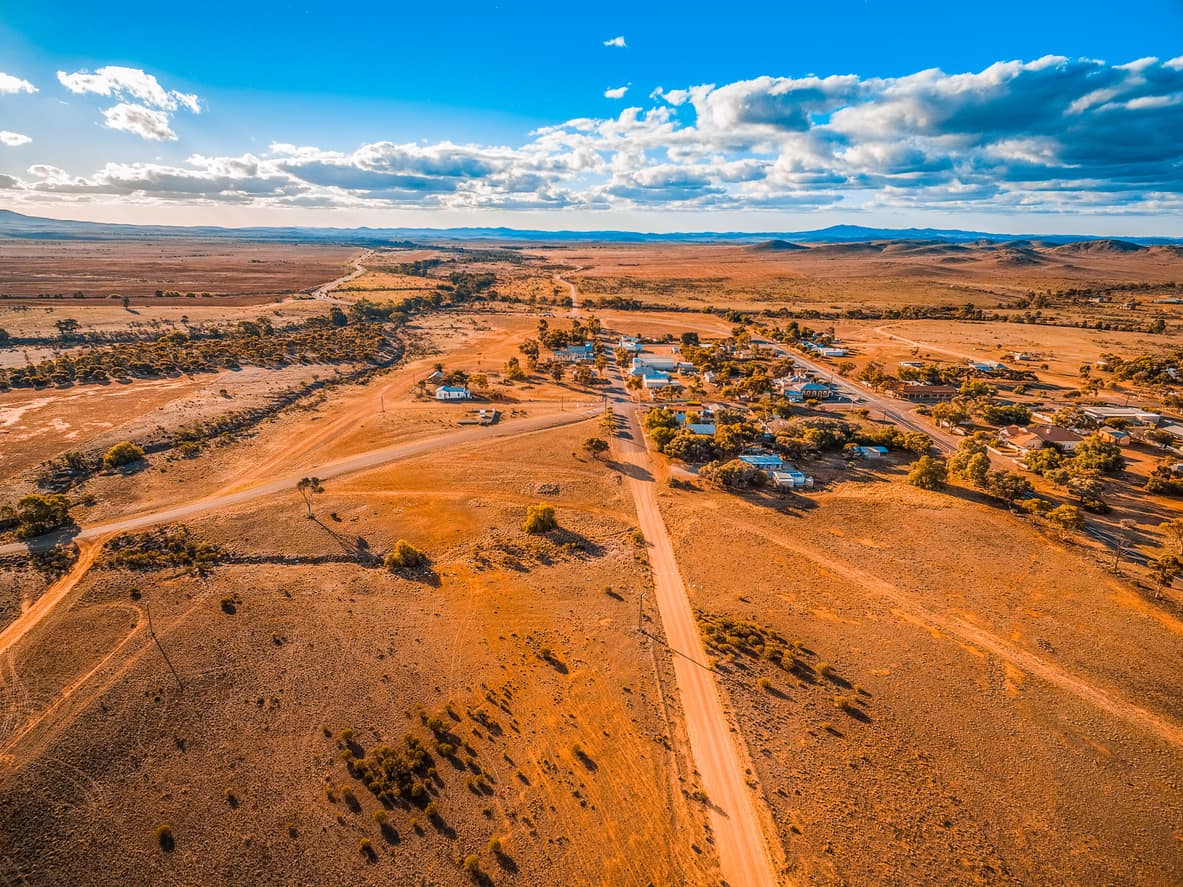
Another attack and death of a remote area nurse

In 2008 a remote area nurse was raped and assaulted in her work-related residence in Mabuiag Island in the Torres Strait. More recently, South Australia had a similar incident – the rape and murder of nurse Gayle Woodford while working on-call alone. Both have resulted in inquiries by Coroners, Departments of Health and others, with similar outcomes, primarily that these incidents could have been prevented.

The recent outrage around Woodford’s death was that SafeWorkSA investigated and decided not to proceed with a prosecution of her employer Nganampa Health Council (NHC). The Coroner had already investigated Woodford’s death and found significant deficiencies in the NHC’s management systems and practices. Understandably questions have been asked in the South Australian Parliament, questions that raise important occupational health and safety (OHS) issues.

Subscribe to SafetyAtWorkBlog to continue reading.
Subscribe Help
Already a member? Log in here
Concatenate Web Development
© Designed and developed by Concatenate Aust Pty Ltd