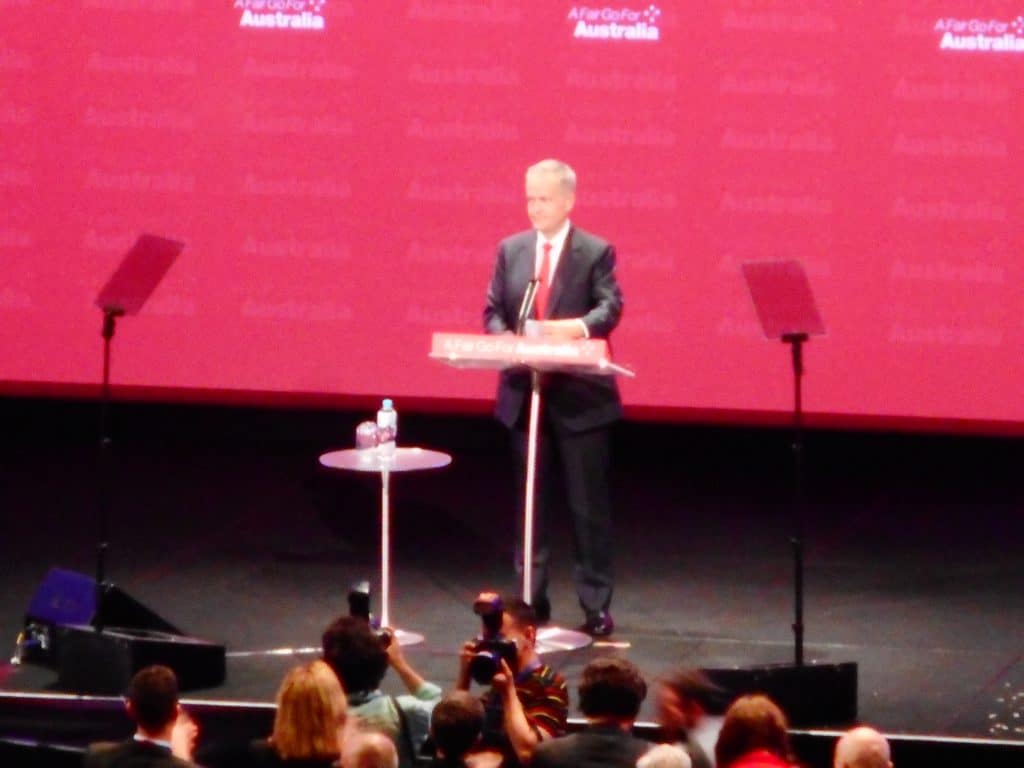
Three days out from Election Day, Opposition (Labor) Leader Bill Shorten gives occupational health and safety (OHS) a shout-out (sort of).

Three days out from Election Day, Opposition (Labor) Leader Bill Shorten gives occupational health and safety (OHS) a shout-out (sort of).
On May 13 2019 the Australian media published articles based on research (released after embargo) conducted by the RMIT’s Centre for Innovative Justice and about victims of crime which those advocating for Industrial Manslaughter laws should seriously consider.
The Age newspaper reports
“Victims of crime felt let down by the system when offenders pleaded guilty to a less serious charge and did not proceed to trial ‘‘ because they wanted the opportunity to tell their story’’ , …..”
and that
“One victim interviewed during the research said they felt left out of discussions with the OPP when charges in their case were downgraded from murder to manslaughter for a plea of guilt …”
Occupational health and safety (OHS) seems a little ahead of the game here as relatives of deceased workers have been integrated into OHS consultation in both Queensland and Victoria. Relatives had a very strong voice through the Senate Inquiry into Industrial Deaths. Victim Impact Statements have been possible in the Courts for many years but Industrial Manslaughter laws add an additional depth to the participation of victims of industrial crime, and an additional risk of false promises.

In June 2018, Rick Sarre, now the Dean of Law at the University of South Australia’s School of Law, wrote an article in The Conversation titled
“Why industrial manslaughter laws are unlikely to save lives in the workplace“. On the eve of the #safetyscape conference and an upcoming conference on enforcement in which presentations on Industrial Manslaughter laws will feature, SafetyAtWorkBlog asked the very busy Professor for an update on some of the themes and thoughts in his article. Below are his responses.
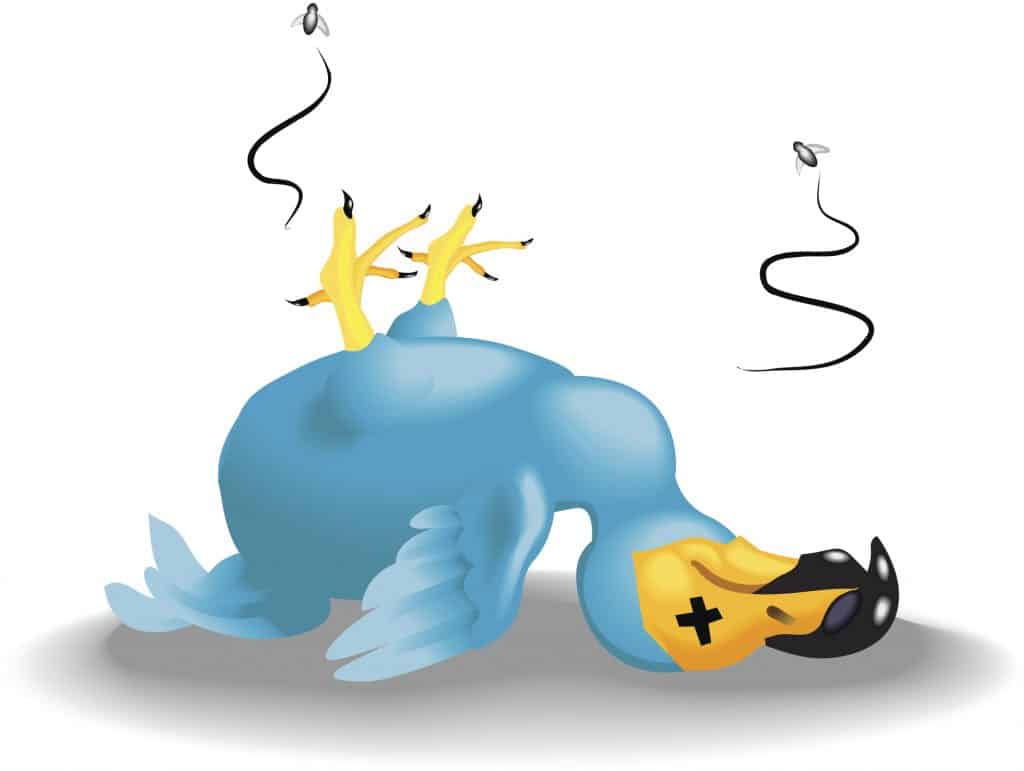
According the Weekly Times newspaper on May 8 2019 (paywalled), Mojo Motorcycles remains committed to the Australian quad bike market. Polaris acknowledges that
“…. ATVs will go the way of the dodo.”
The Farmsafe and National Farmers Federation (NFF) Workforce Committee, Charles Armstrong, has, in Farmonline National, described the threats by Honda and Yamaha as
“….. an astonishingly infantile reaction from otherwise respected multinational companies.”

Some of the Australian media on May 8 2019 began quoting the current Prime Minister, Scott Morrison, over his concerns about the “green tape” of environmental laws and something called “the expansion of union “red tape””. (Nine Australia’s papers, paywalled) Crikey’s Bernard Keane asks “Does Australia really have a ‘green tape’ crisis?” (paywalled) and proceeds to answer, No we don’t. But where there is Green Tape, the Red Tape of occupational health and safety (OHS) follows.
What Morrison means by “union red tape” is unclear. The newspapers included this quote from him:
“Just carrying on doing more reviews is not going to take us very far. We now have to make a start and that’s going to require legislation,”
These words were spoken by the head of the UK Competition and Markets Authority, Andrew Tyrie, but could easily have been a quote from the Australian Competition and Consumer Commission (ACCC) in relation to its recent review of the safety of quad bikes.
Improving the safety of quad bikes, or what used to be called All Terrain Vehicles (ATVs) until everyone accepted that they don’t travel safely over all terrains, has been a contentious issue in Australia for well over a decade. The issue appears in the media regularly after each death or near miss involving a quad bike rider.
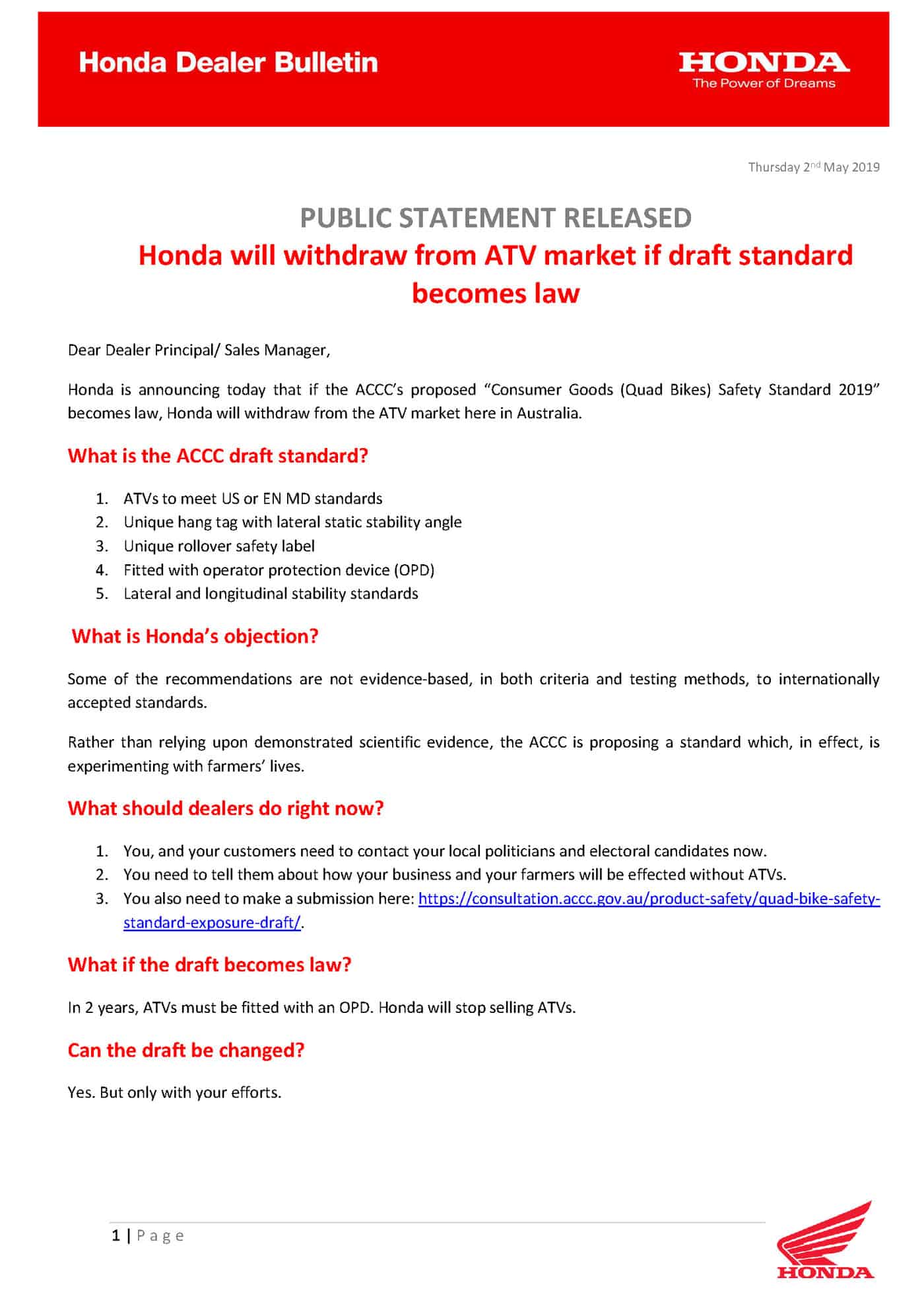
Last week the issue appeared in the media for a different reason. Yamaha and Honda have both advised their dealers that if the ACCC safety recommendations and safety standard become law, they will
“….. be force[d] to cease selling utility ATVs in Australia” (Yamaha)
“… withdraw from the ATV market in Australia.” (Honda)
SafetyAtWorkBlog has received the following clarification from a spokesperson for the Nationals Party on some issues raised in an earlier SafetyAtWorkBlog article. I thank them for the prompt response.
Continue reading “National Party’s response on politics of safety”