Why Quad Bike Safety Reform Keeps Stalling

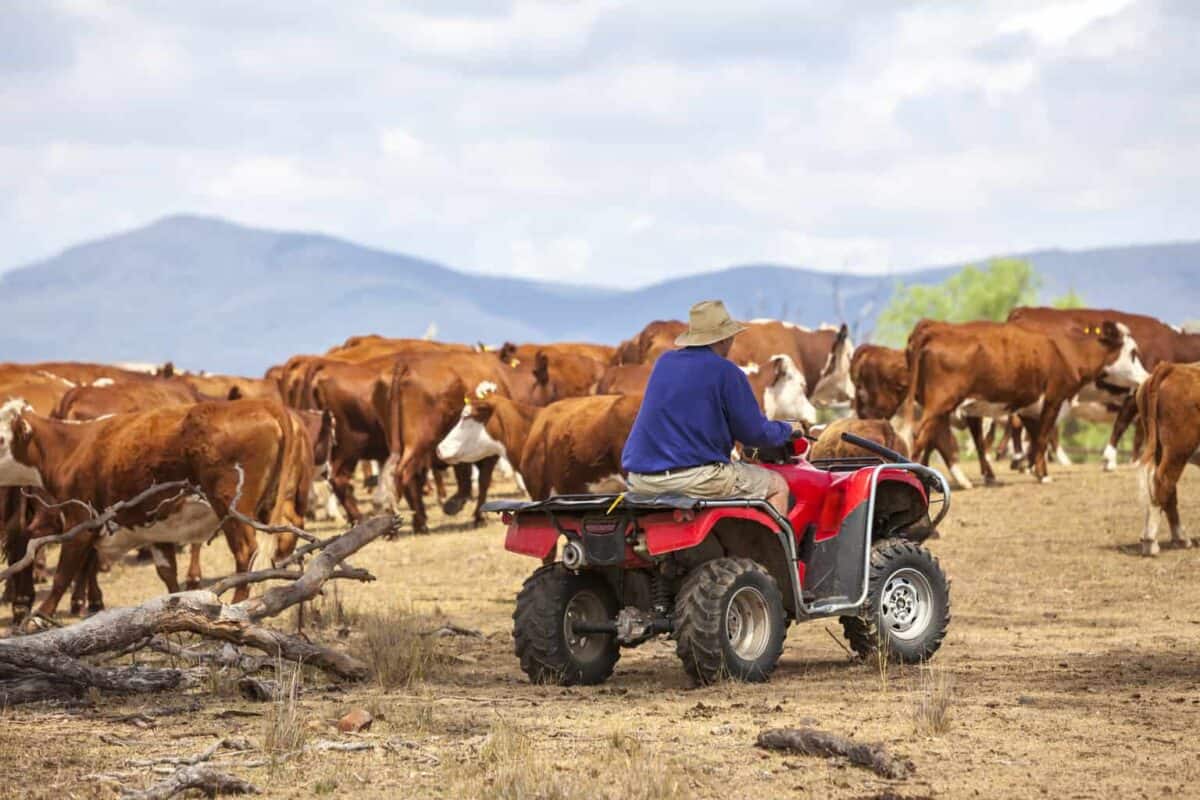
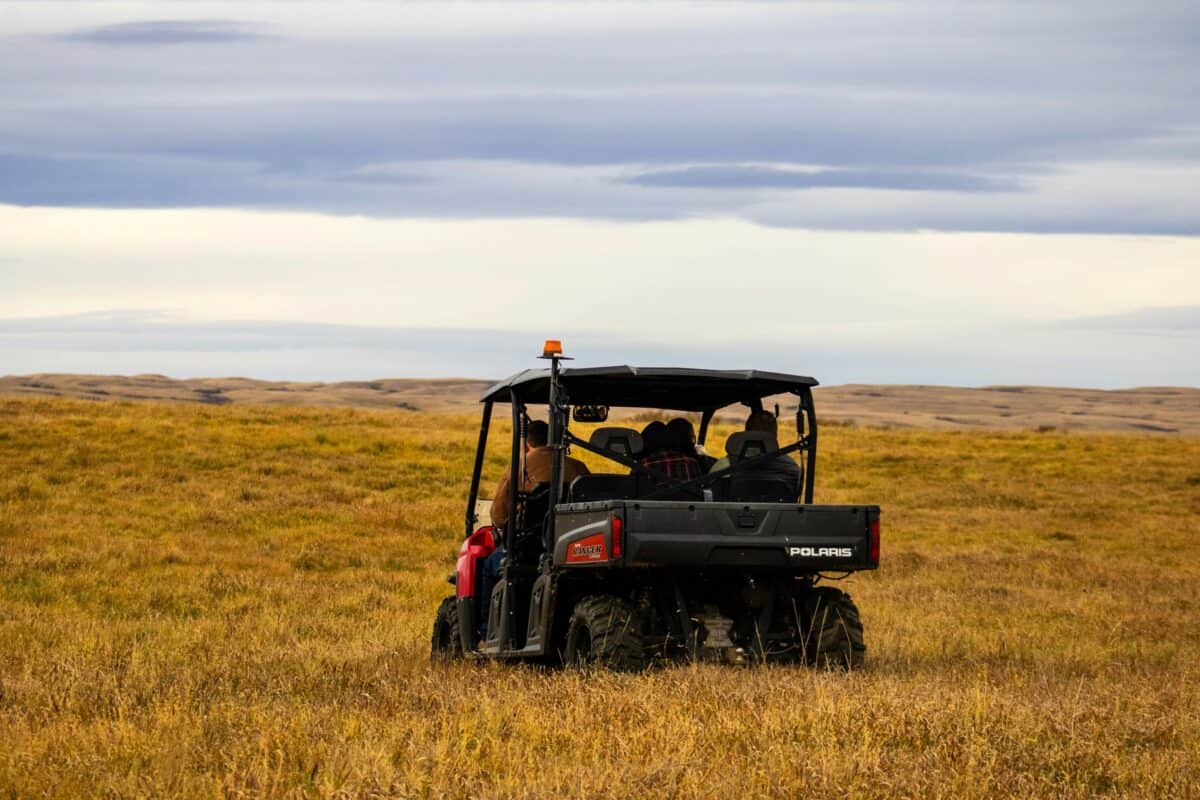
Safe Work Australia’s (SWA) latest consultation on quad bike safety is another reminder that fatalities and serious injuries continue despite years of guidance, rebates, training campaigns and polite encouragement. The evidence laid out in SWA’s consultation paper shows that harm has persisted even after “extensive education and awareness efforts”, so voluntary approaches have reached their limit. When a hazard keeps killing people in the same predictable ways, the question is no longer whether we need stronger regulation but why it has taken so long to get there. This moment demands more than another round of messaging — it demands decisions that actually change the machines people ride and the conditions they ride them in.

Below is my submission to SWA’s consultation process on improving the safety of quad bikes used in the workplace. I strongly encourage everyone to participate.
Subscribe to SafetyAtWorkBlog to continue reading.
Subscribe Help
Already a member? Log in here

Beyond COVID Toward Safer Smarter Workplaces

The recent COVID-19 pandemic is over, but the virus and risk continue. Like any biological hazard that occurs in or affects workplaces, occupational health and safety (OHS) personnel need to be ready to respond appropriately should the hazard emerge or expand.

It is generally accepted that Safe Work Australia responded as quickly as possible when developing COVID-19 guidance, given that everyone was trying to work out what the hell was happening. Shortly before the pandemic, WorkSafe Victoria had published the first edition of a guide on how employers could respond to pandemics.

But where is Australia at now? How prepared are we for the next disease pandemic or epidemic? I asked Safe Work Australia and WorkSafe Victoria for an update.

Subscribe to SafetyAtWorkBlog to continue reading.
Subscribe Help
Already a member? Log in here

Training Alone Won’t Protect Electrical Apprentices

In August 2025, the Electrical Trades Union (ETU) released some disturbing occupational health and safety (OHS) statistics involving electrical apprentices. The story was picked up by the Australian Broadcasting Corporation in October, Australia’s Safe Work Month. The focus was on improving safety training for apprentices; however, this focus is primarily on lower-order hazard controls and overlooked employer OHS obligations. I contacted the ETU and EnergySafe Victoria. The ETU didn’t get back to me but below is EnergySafe’s informative response.

Subscribe to SafetyAtWorkBlog to continue reading.
Subscribe Help
Already a member? Log in here

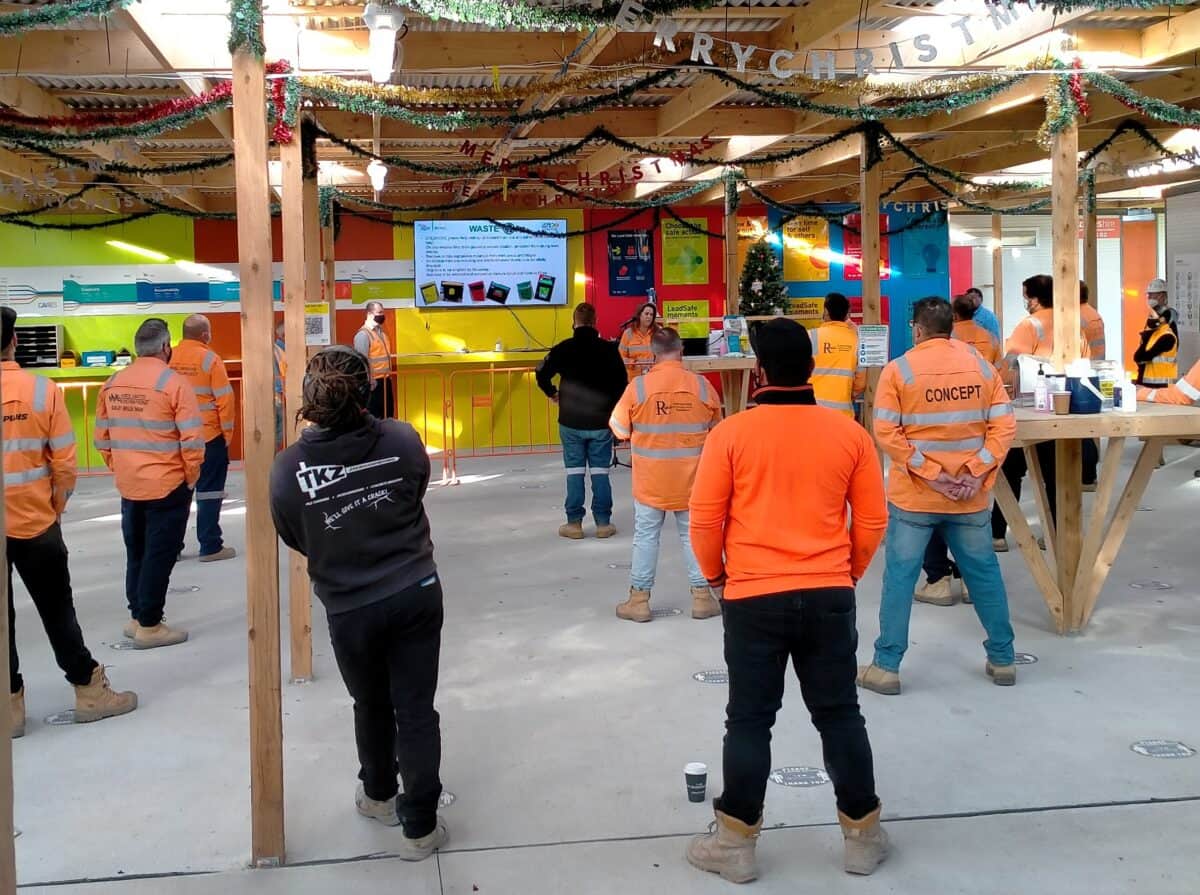
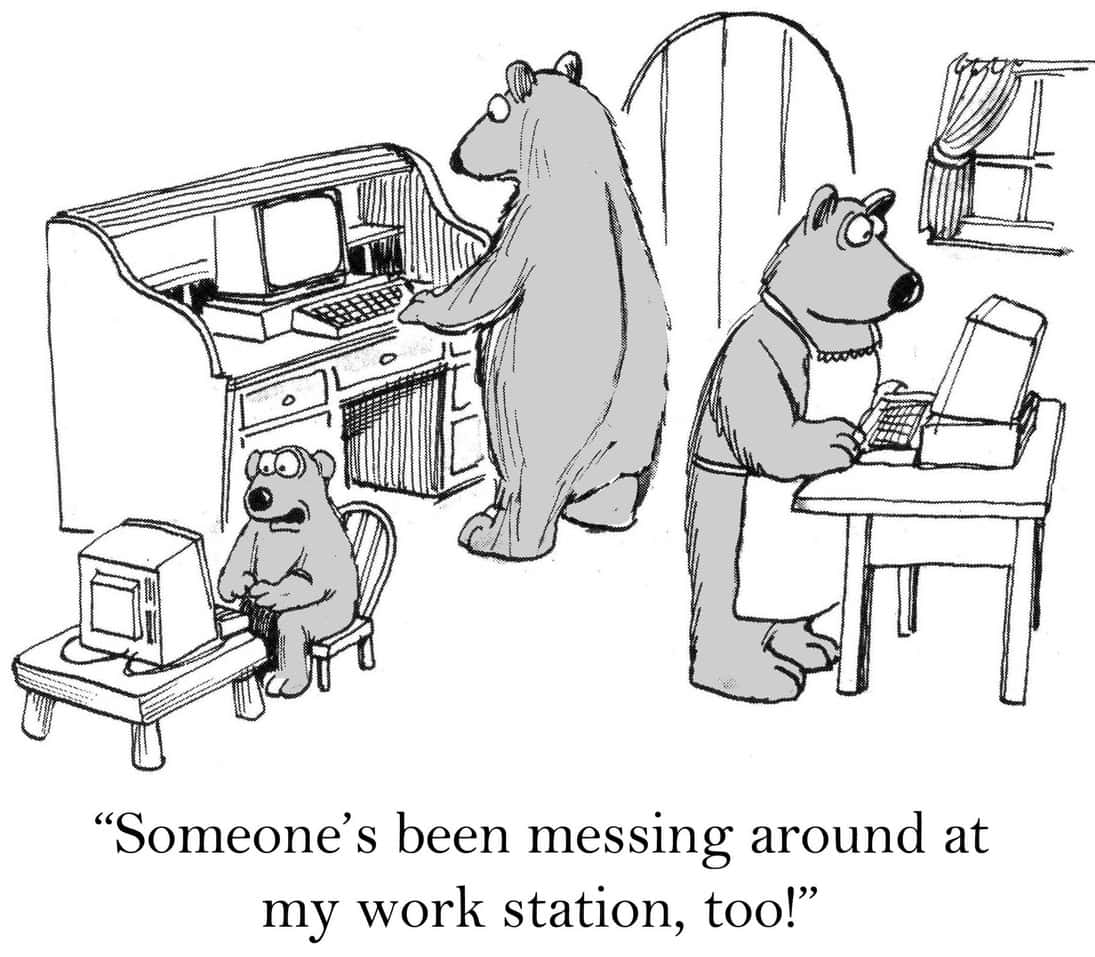
Someone should have read the instructions – OHS in COVID times

Ask someone to depict occupational health and safety (OHS) in a drawing, and the image is likely to include a hard hat, maybe some safety glasses, or hearing protection. Personal Protective Equipment (PPE) dominates the concept of OHS and how people perceive OHS, even when PPE is the last hazard control option to be considered in providing safe and healthy work.

Our relationship with PPE has forever been changed by everyone’s experience of the COVID-19 pandemic. The survivors of the pandemic are loath to reflect on those few intense years, but OHS needs to talk about the pandemic and what went right and what went wrong. Here’s a short start to the conversation.

Subscribe to SafetyAtWorkBlog to continue reading.
Subscribe Help
Already a member? Log in here

Work-from-Home Wins: Productivity Holds, Mental Health Glows, but Bosses Still Crave the Office Status Quo

“WFH is probably good for productivity” was a headline in the Australian Financial Review (AFR) of May 29 2025. The online version (paywalled) added “if it’s part-time”. The Productivity Commission‘s examination of the COVID-19 pandemic in its “before-and-after” report presents some new perspectives on occupational health and safety (OHS) aspects of working from home.

Subscribe to SafetyAtWorkBlog to continue reading.
Subscribe Help
Already a member? Log in here

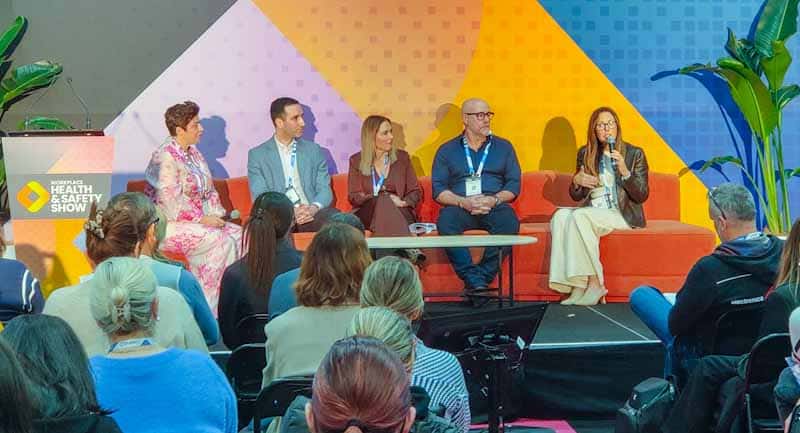
From Sidekick to Spotlight: WHS Show Steps Up, But a Few Big Players are missing

Over the last couple of decades, the Workplace Health and Safety Show has evolved from a trade show tacked onto occupational health and safety (OHS) conferences to an independent entity. But is it any good? I spent a few hours there last week to find out.

The Workplace Health and Safety Show is a two-day event that travels to major Australian capital cities each year. Its origin was as a trade show that accompanied OHS conferences, offering a clearly commercial counterpoint to the regulators and academic presentations at the conferences. The challenge in attracting conference delegates was that they had usually paid big money to attend the conference and needed to make a trade-off between their commitment to the conference and the opportunity to stroll the trade show. Other than lunchtime, the conferences rarely allocated enough time for the trade shows, which are an important part of demonstrating the practical application of many of the concepts presented at the conference.

Continue reading “From Sidekick to Spotlight: WHS Show Steps Up, But a Few Big Players are missing”
Concatenate Web Development
© Designed and developed by Concatenate Aust Pty Ltd