Beyond COVID Toward Safer Smarter Workplaces

The recent COVID-19 pandemic is over, but the virus and risk continue. Like any biological hazard that occurs in or affects workplaces, occupational health and safety (OHS) personnel need to be ready to respond appropriately should the hazard emerge or expand.

It is generally accepted that Safe Work Australia responded as quickly as possible when developing COVID-19 guidance, given that everyone was trying to work out what the hell was happening. Shortly before the pandemic, WorkSafe Victoria had published the first edition of a guide on how employers could respond to pandemics.

But where is Australia at now? How prepared are we for the next disease pandemic or epidemic? I asked Safe Work Australia and WorkSafe Victoria for an update.
Subscribe to SafetyAtWorkBlog to continue reading.
Subscribe Help
Already a member? Log in here

Heat, Harm and the Cost of Denial

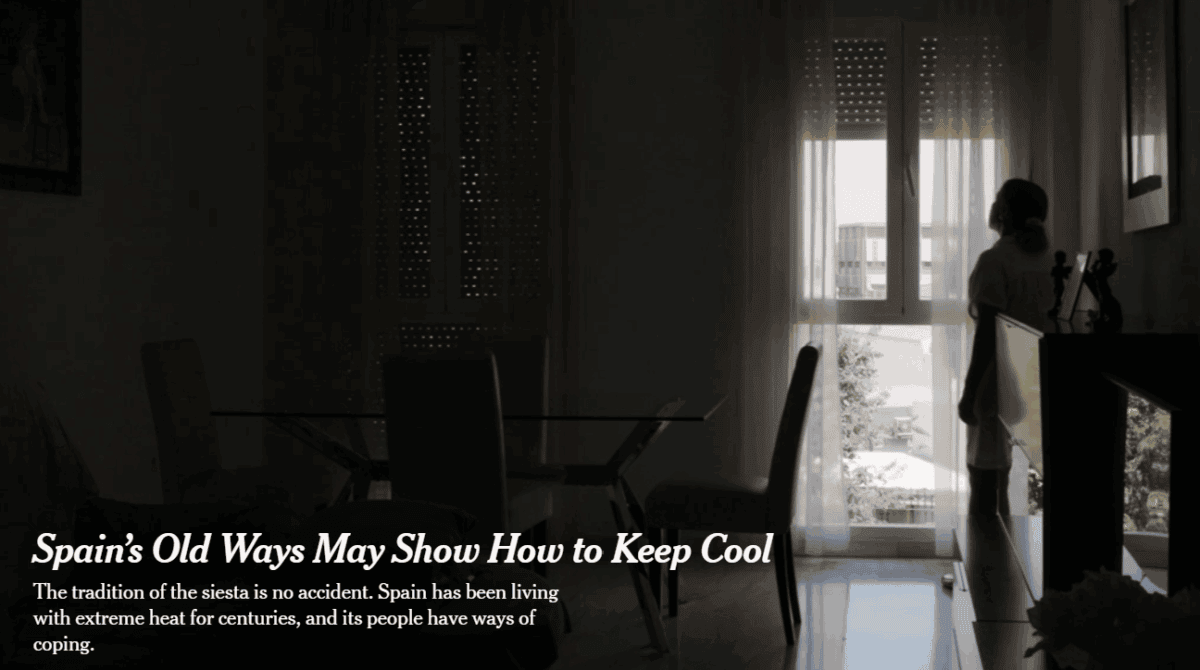
As Victoria shivers in the middle of its Winter and a cop-killer runs loose in the mountains in the middle of the state, it may seem odd to think about the occupational health and safety (OHS) context of working in excessive heat. However, give us a couple of months, and it will be a hot topic again in the Southern Hemisphere. (First and last weather pun, I promise)

A recent article in The New York Times (paywalled) examined excessive heat in Spain, providing useful details on the changes being implemented—some old, some new.

Subscribe to SafetyAtWorkBlog to continue reading.
Subscribe Help
Already a member? Log in here

Work-from-Home Wins: Productivity Holds, Mental Health Glows, but Bosses Still Crave the Office Status Quo

“WFH is probably good for productivity” was a headline in the Australian Financial Review (AFR) of May 29 2025. The online version (paywalled) added “if it’s part-time”. The Productivity Commission‘s examination of the COVID-19 pandemic in its “before-and-after” report presents some new perspectives on occupational health and safety (OHS) aspects of working from home.

Subscribe to SafetyAtWorkBlog to continue reading.
Subscribe Help
Already a member? Log in here

Unsuccessful dismissal case reveals sex work hazards

Last week was a big one for the sex industry in Victoria. A brothel manager was found guilty of allowing a 16-year-old girl to work as a dominatrix in his mother’s brothel. And a sex worker was found, by the Fair Work Commission, to be a contractor (paywalled) when working in the Top of the Town brothel.

These legal cases gained some attention in the mainstream press as they often are because sex work is seen as salacious and click-friendly. However, the Top of the Town court report offers insight into some of the occupational health and safety (OHS) hazards of brothel work.

Subscribe to SafetyAtWorkBlog to continue reading.
Subscribe Help
Already a member? Log in here

Ventilation is an obvious COVID-19 control but could be a bugger to use

Vaccines are currently the most effective tool available to minimise the spread of COVID-19 to large populations. Fortunately, effective vaccines have been able to be manufactured at such a rapid pace. But previous pandemics have not had vaccines and have had to rely, primarily, on hygiene and isolation. Part of the hygiene practice was to ensure that buildings were well-ventilated. Ventilation actions on COVID-19 were part of Europe’s response to the pandemic in 2020, but Australia has only just started to accept the need for improved ventilation as it was very late to the risks of aerosol transmission.

As vaccinated workers return to workplaces in many of Australia’s urban centres, employers will need to assess their occupational health and safety (OHS) duties in new ways, and ventilation will be a significant challenge.

Subscribe to SafetyAtWorkBlog to continue reading.
Subscribe Help
Already a member? Log in here
Concatenate Web Development
© Designed and developed by Concatenate Aust Pty Ltd