
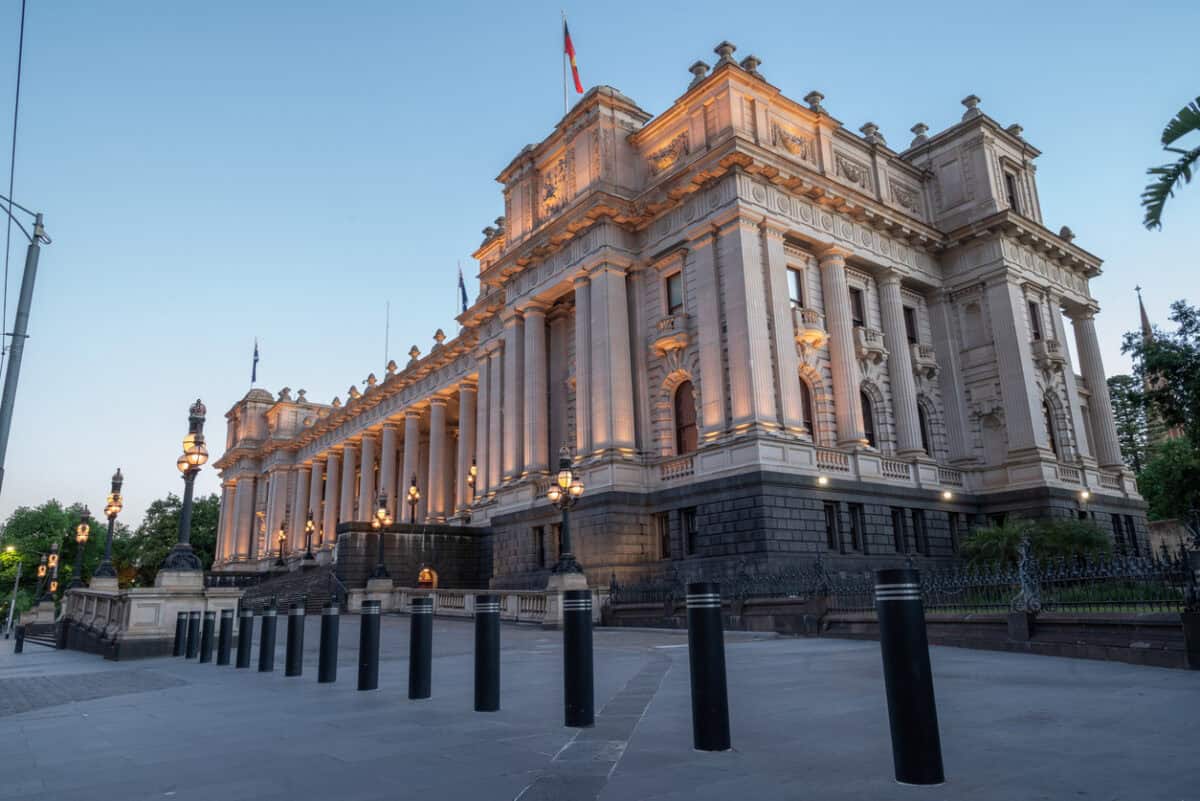
So Ben Carroll is the new Premier of Victoria. He has made the obvious and unavoidable decision to call for a Royal Commission into that state’s construction sector and the government’s “Big Build” project. But Carroll was also the Minister for WorkCover for several years. He spoke at safety awards nights, conferences, seminars and Workers’ Memorial events. At those events, he made several clear statements about the importance of occupational health and safety (OHS).
Category: Andrews
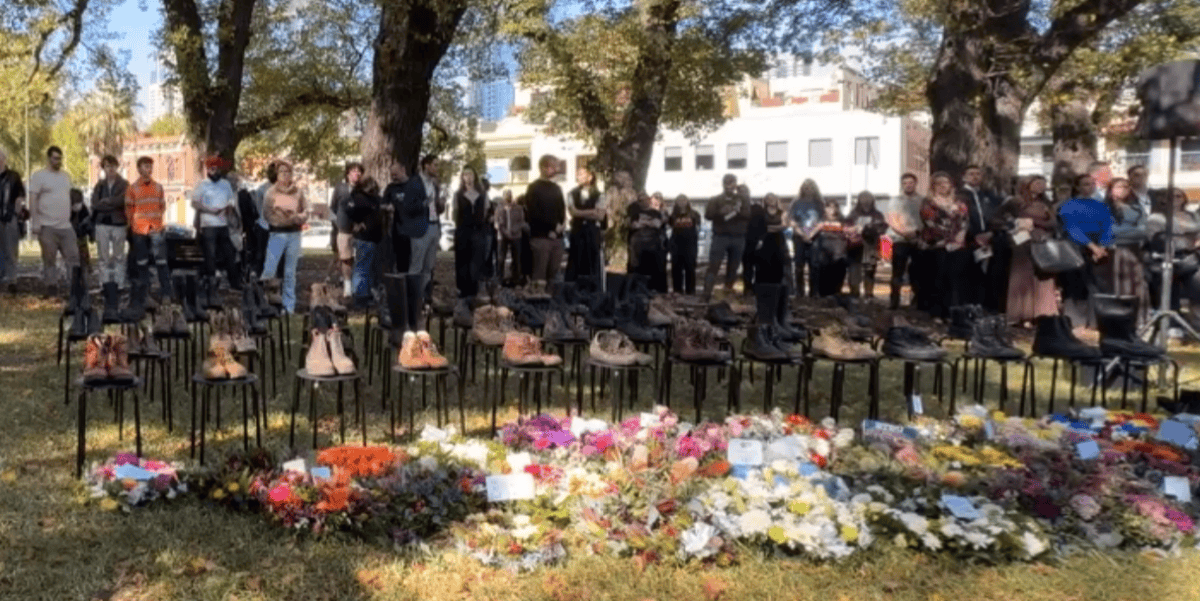
“Words and gestures … can only be genuine when they are backed by doing”
As I write this, hundreds of workers’ memorial services are taking place around the world. I usually attend the Melbourne, Victoria, event and wish I could have been there today because one speaker, Lana Cormie, transcended the usual politics and platitudes to outline a broader strategy for occupational health and safety (OHS) reform.
The Quad Bike Death That Could Have Happened Any Year
Earlier this month, I was critical of occupational health and safety (OHS) and farmers and asked
“So what can WorkSafe teach them about safety that farmers don’t already know?”
The death of dairy farmer Brad Collins following an incident involving a quad bike is the type of death that could have occurred and been reported at any time over the last few decades. Surely, a change in the cultures of farming, safety, and enforcement is required? Are we at “peak safety” on the deaths of farmers from quad bikes? Can nothing more be done?
When Ideology Masquerades as Analysis
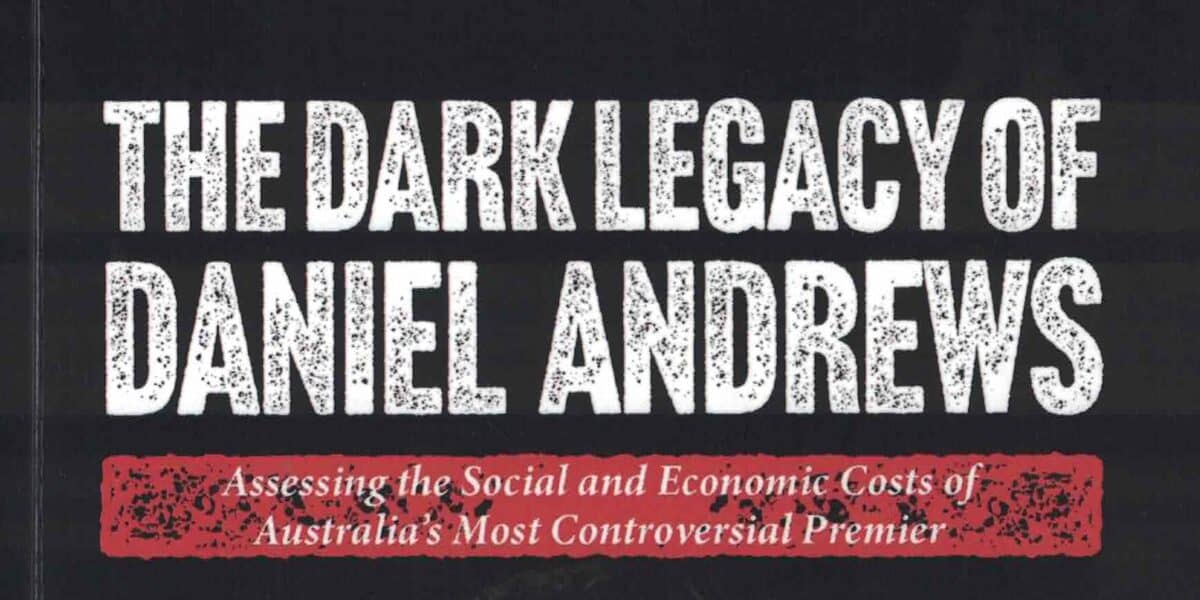
I pride myself on listening to a broad range of views, so I purchased a recent book called “The Dark Legacy of Daniel Andrews – Assessing the Social and Economic Costs of Australia’s Most Controversial Premier“. Reading it stretched my patience as few of the various writers acknowledged that Premier Dan Andrews saved many lives during the COVID-19 pandemic, even though his very long lockdowns were economically and psychologically damaging.
I read this book looking for factual accuracy, analytical rigour, ideological framing, and relevance to OHS. It missed almost all my expectations.

“Whom Do Soft Skills Really Serve?”
Every summer in Australia, it seems we are in crisis. Somewhere there is a bushfire, and somewhere else there are cyclones and floods. Somewhere, there are places that experience these two extremes almost at the same time. In all these circumstances, Australians expect strong, effective and compassionate leaders. These expectations affect how corporate executives behave and employ their “soft skills”.
Is Victoria still committed to its psychosocial regulations?
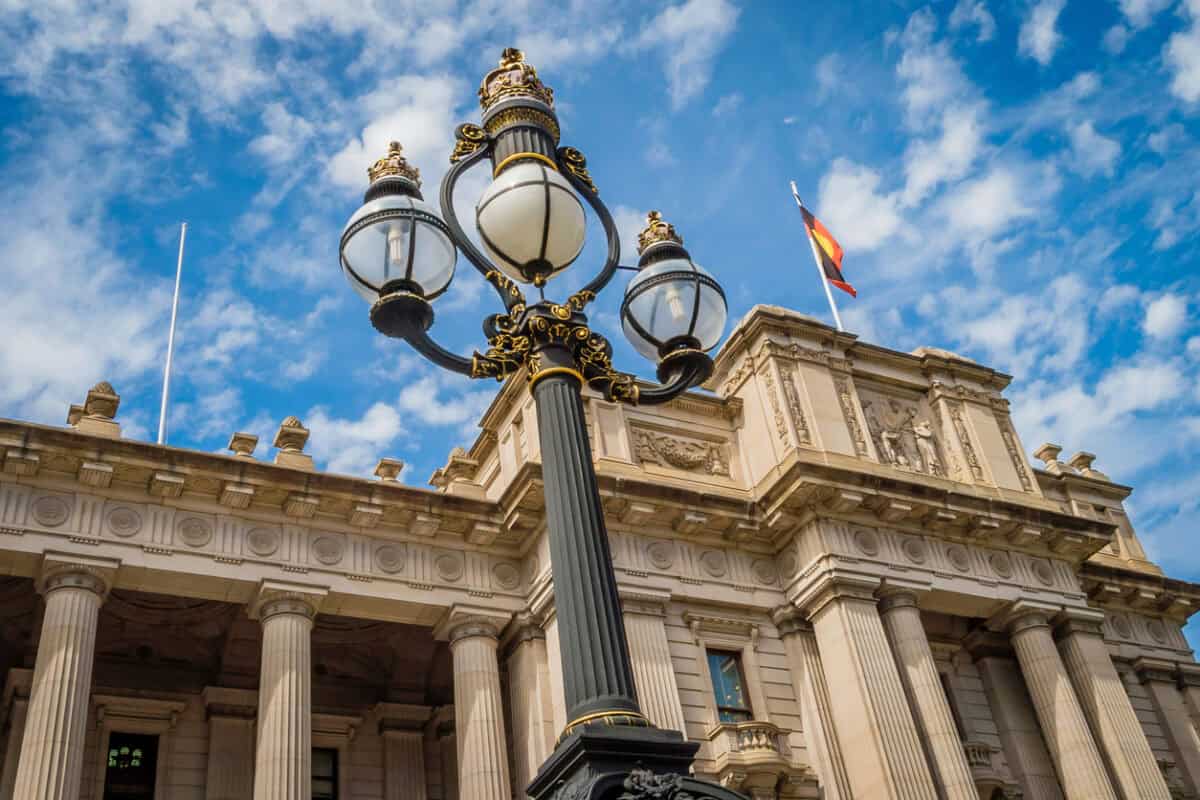
Victoria’s Minister for WorkSafe, Danny Pearson, has emerged from the occupational health and safety (OHS) wilderness to restate his commitment to introducing legislative amendments on psychosocial hazards at work. He has been stalling on these for a very long time, but he has recently provided an update to Parliament.
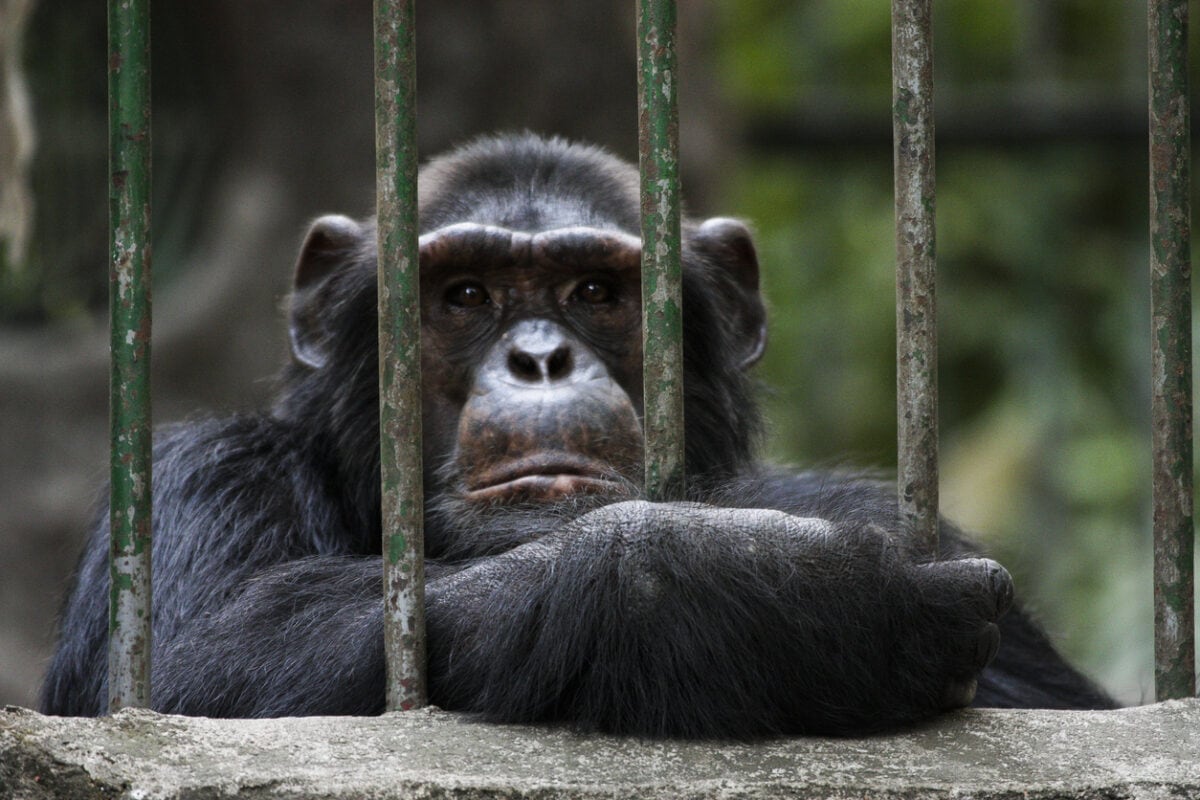
Softly, Softly, Catch the Monkey
As with most political party conferences, occupational health and safety (OHS) is a fringe issue. OHS or safety is sometimes mentioned in the big political speeches but often as an afterthought or obligatory mention that is rarely explored to the extent it deserves. The Australian Labor Party (ALP) recently held its national conference in Brisbane. Work health and safety was mentioned.
The ALP Conference is not intended to change Australian government policies. Its aim is to review and revise the ALP Party platform; it drops what may be redundant and improves the policy platform’s relevance. The conference may indicate party member concerns to the parliamentary members, but the government’s positions are for the parliamentary members to decide.
It should come as no surprise that the ALP has again refrained from banning the import and use of engineered stone even though the silicosis risks are well-established.