
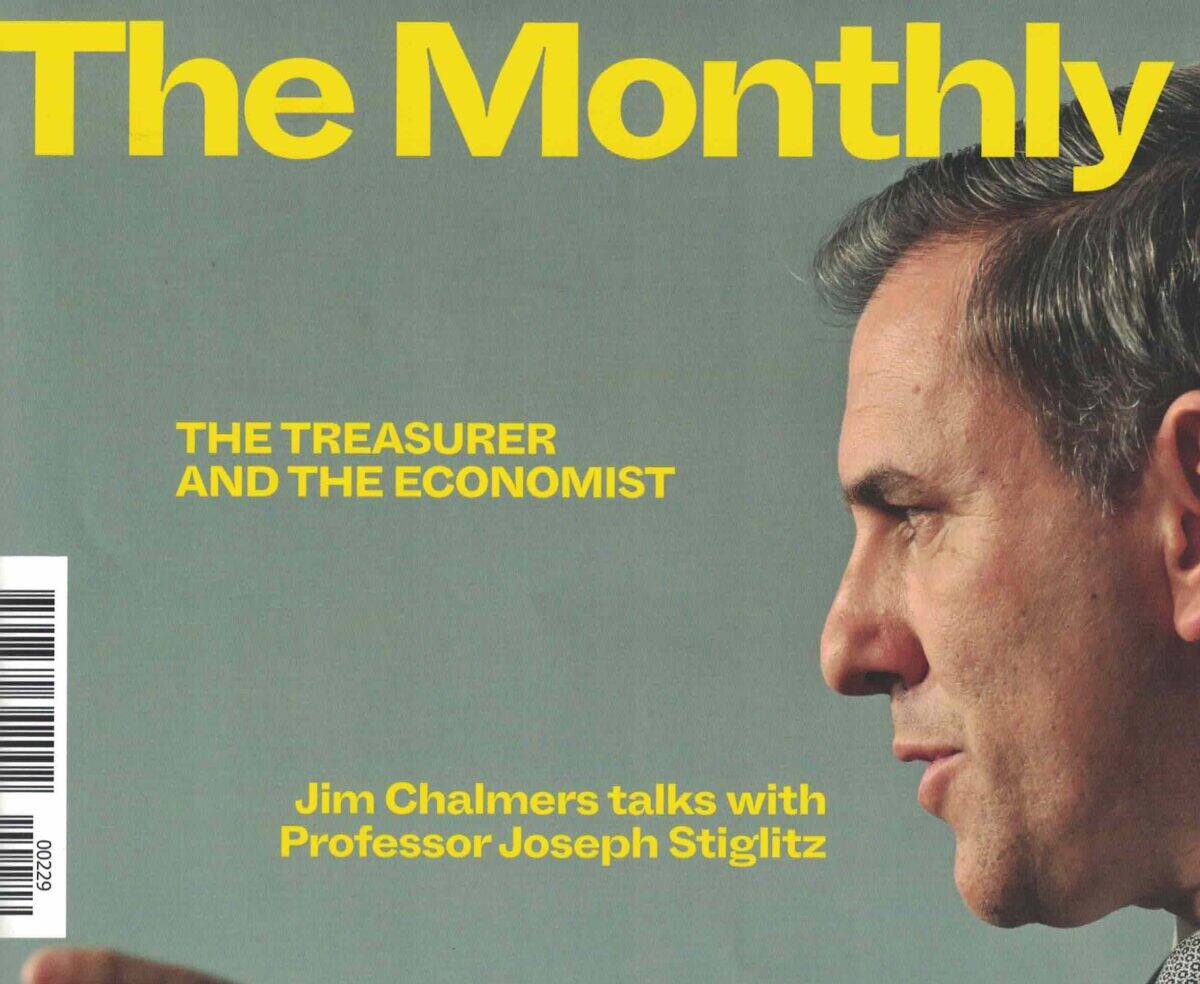
Australian Treasurer Jim Chalmers and economist and Nobel Laureate Joseph Stiglitz are old friends. One of their conversations was turned into the lead article in the February edition of The Monthly (paywalled). Several of their thoughts impinge on how occupational health and safety (OHS) laws are applied and may be reformed.
Category: Chalmers

Wellbeing Budgets Sound Good but Workplaces Show the Truth
Citizen and worker well-being will not be a major focus of the Australian government’s budgets, but it will still influence them. Recently, Professor Paul Read assessed the Wellbeing Budget concept in The Australian Fabians Review (issue 8). His optimism is notable and helps us understand well-being in an occupational and psychological context.

Wellbeing vs Red Tape Is The Political Battle That Will Shape Australia’s OHS Future
Australian Treasurer Jim Chalmers was keen on establishing a “Wellbeing Budget“. The initiative faded, but the desire persisted. The Wellbeing Budget is getting renewed interest but also some anticipatory criticism. Such a budget could have significant impacts on occupational health and safety (OHS) management, so it warrants monitoring and cautious support.
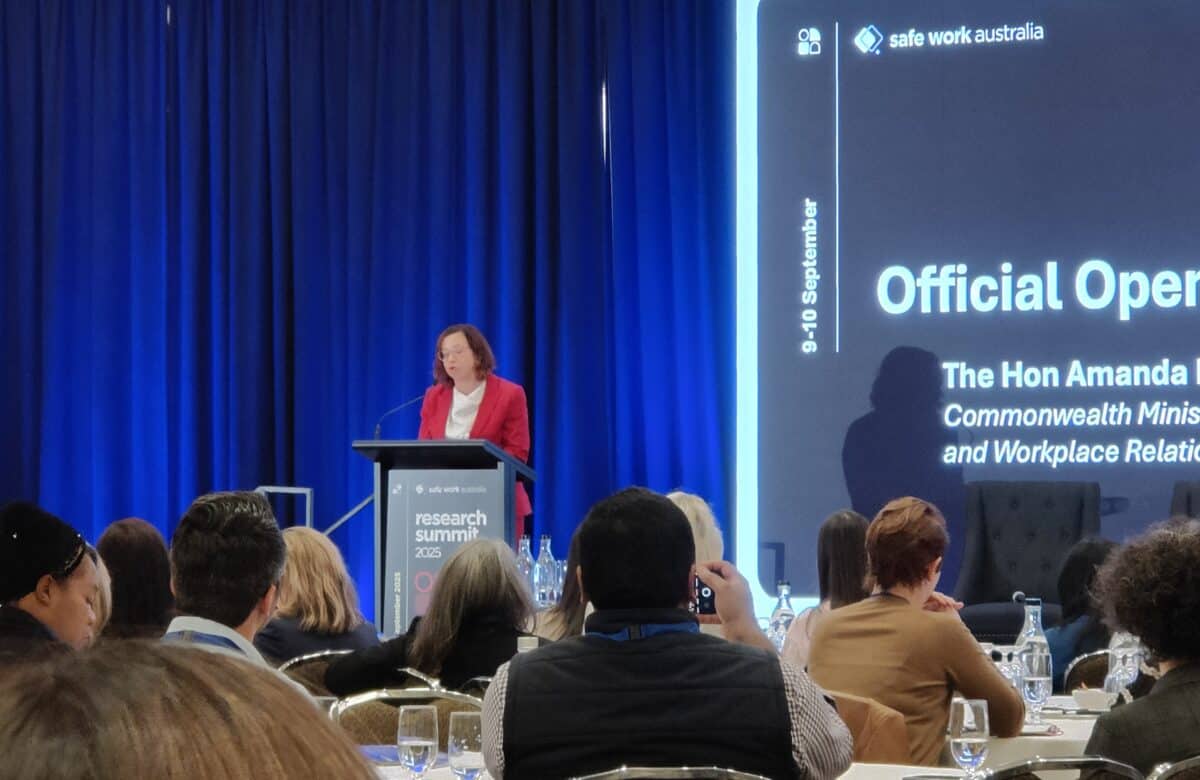
The Minister could have said so much more
The best way to describe the Workplace Relations Minister’s speech to Safe Work Australia’s Research Summit on September 9, 2025, is “safe”. Others may say Amanda Rishworth was boring, but what was she expected to say?
Australia’s Safety Blindspot
Australia’s Economic Roundtable recycled the same institutions and failed metrics that have long masked our productivity crisis. As Amy Remeikis notes, those who shaped past policy failures now feign surprise at the fallout. Meanwhile, important drivers of productivity, such as safe and quality work, remain ignored. OHS is treated as a compliance chore, rather than a strategic asset. If the Albanese government truly wants productivity reform, it must stop listening only to the “profit class” and start measuring what matters: worker health, dignity, and contribution.

Australia’s OHS Laws Are Stuck in the Past and Need a Rewrite from the Ground Up
Recently, Australia’s politics were focused on an Economic Roundtable hosted by Treasurer Jim Chalmers. Chalmers sought proactive, low- or no-cost initiatives to improve Australia’s productivity. Occupational health and safety (OHS) is rarely, if ever, discussed at these national consultations. However, if we accept, as many believe, that OHS is unnecessary red tape, does this offer an opportunity for legislative reform?

Is Business really a punching bag?
Occupational health and safety (OHS) cannot afford to be anti-business. No business = no jobs = no need for OHS. And business groups should not be anti-OHS, yet it often feels that they are. A recent opinion piece by Bran Black of the Business Council of Australia argues that the success of businesses in Australia is central the economy. This is typical of the type of articles that appear in the business-friendly media as part of “soft” lobbying of the federal government prior to the May Budget.