Heights, Standards and Safety

Engineering and design Standards have existed globally for a long time.  They have considerable authority, often provided through legislation, and underpin many of the safety devices and equipment used in workplaces.  But does compliance with Standards mean that something is safe?

The easy answer is no. A recent presentation to the Central Safety Group (CSG) by David Davis of the Working at Heights Association illustrated this gap between workplace safety compliance and compliance with Standards.

Subscribe to SafetyAtWorkBlog to continue reading.
Subscribe Help
Already a member? Log in here

2017 Year in Review creates anxiety and calls for action

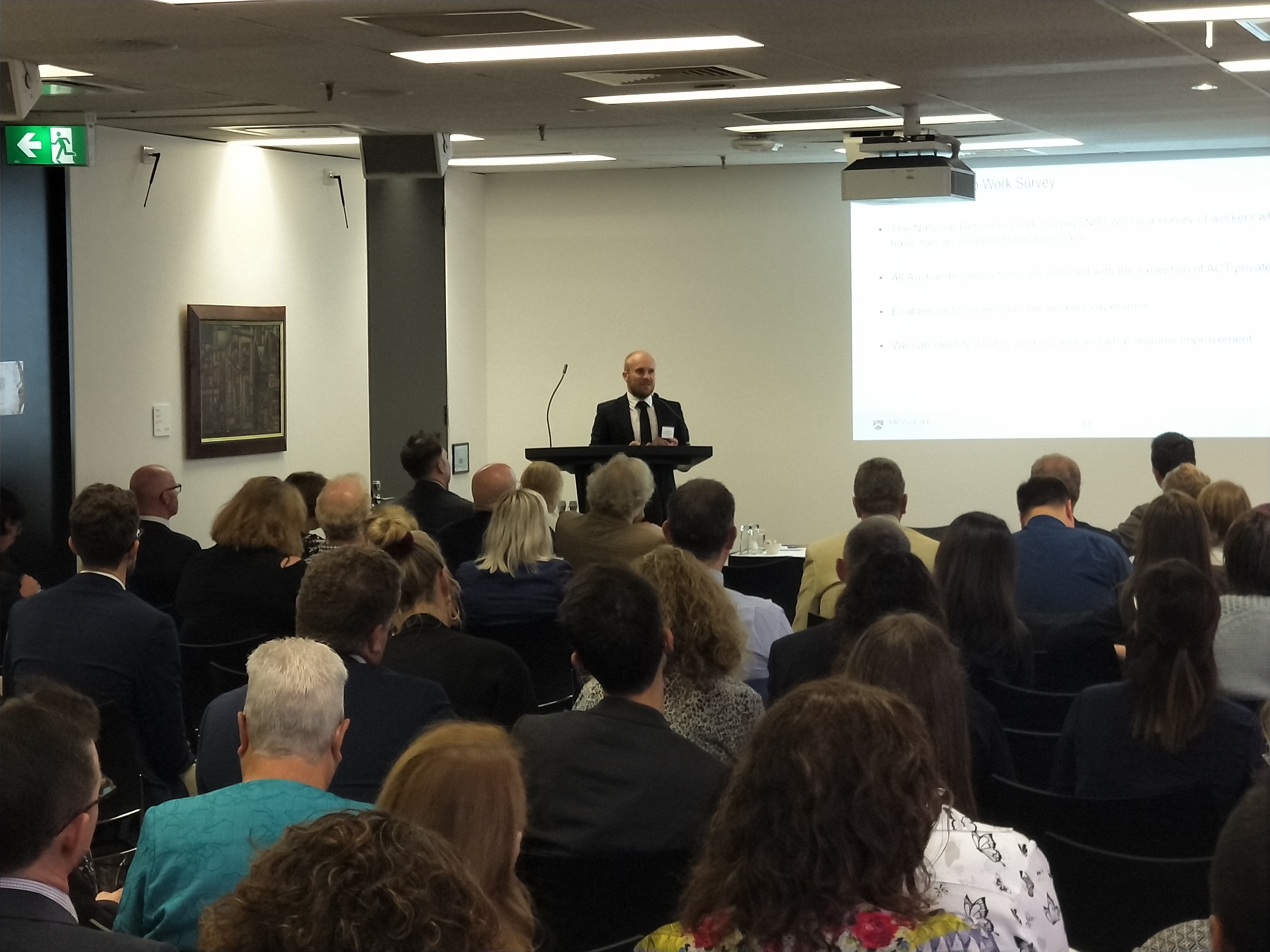
Last week in Sydney and Melbourne law firm Clyde & Co conducted seminars reviewing 2017 through the workplace health and safety perspective.  Alena Titterton (pictured right) hosted the Melbourne event which did not follow the proposed topics, but it was friendly and informative, and covered a lot of ground.

This article focuses on the statistics presented in the Year in Review document and some commentary from Titterton.

(An exclusive conversation with Titterton is to be in the next episode of Safety At Work Talks podcast)

Subscribe to SafetyAtWorkBlog to continue reading.
Subscribe Help
Already a member? Log in here

ACCC releases Issues Paper to start public quad bike safety consultation

The Australian Competition & Consumer Commission (ACCC) has released an issues paper on quad bike safety with a deadline for public submissions of mid-December 2017.  An ACCC spokesperson has advised that submissions will be made available to the public through the website unless privacy and confidentiality is requested. A draft recommendation is scheduled for early 2018 with a final recommendation in mid-2018.

Issues papers serve two purposes – the provision of information and questions of particular importance.  This article will look at some of those questions.

Subscribe to SafetyAtWorkBlog to continue reading.
Subscribe Help
Already a member? Log in here

New OHS statistics expand our understanding of work injuries and mental health

On November 9 2017, the Australian Institute of Health and Welfare (AIHW) released statistical data on work-related injury.  This data included statistics from workers compensation but also statistics about hospitalised injuries that were identified as work-related but funded by sources other than workers’ compensation.  The report also provides a different perspective on mental health.

Subscribe to SafetyAtWorkBlog to continue reading.
Subscribe Help
Already a member? Log in here

The evidence on occupational lung diseases remains inadequate

Workplace injury statistics are always less than reality as they are based on the number of workers’ compensation claims lodged with occupational health and safety (OHS) regulators or insurance agents.  The nature of occupational illnesses is that there may be many years before their presence is physically identified making them more contestable by insurers and less likely to appear in compensation data.  The frustration with this lack of data was voiced on November 13 2017 in an article in the Medical Journal of Australia (not publicly available).

A summary of the research article includes this alarming statistic:

“Occupational exposures are an important determinant of respiratory health. International estimates note that about 15% of adult-onset asthma, 15% of chronic obstructive pulmonary disease and 10–30% of lung cancer may be attributable to hazardous occupational exposures.”

Subscribe to SafetyAtWorkBlog to continue reading.
Subscribe Help
Already a member? Log in here
Concatenate Web Development
© Designed and developed by Concatenate Aust Pty Ltd