Death from a well-known hazard – culture is only part of the answer

Cover of cif-cole-cb-20150911A coronial finding in Queensland in September 2015 illustrates how daily activities can lead to tragedy but also the role of safety culture.

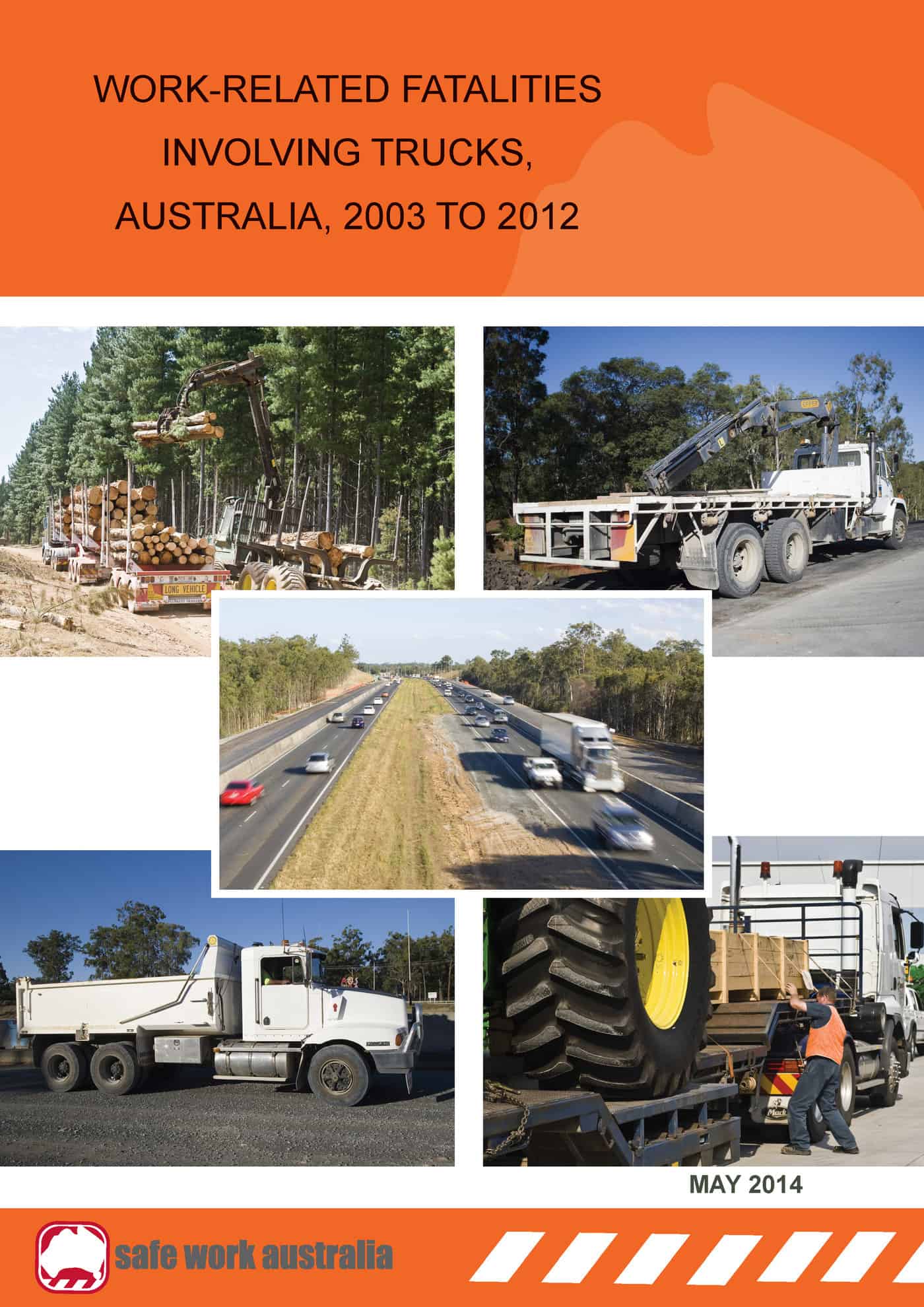
According to one media report, in investigating the 2009 death of 24-year-old Cameron Cole who was hit as a pipe rack fell from a truck, the Queensland Coroner, Terry Ryan, found that

“…the semi-trailer had been over packed, not properly secured and there was no exclusion zone around the vehicle when the load was being released.”

From this event the Coroner makes many recommendations about the safety management of work practices at that time.  Many of these reflect common work practices that exist to this day on many Australian worksites.

Subscribe to SafetyAtWorkBlog to continue reading.
Subscribe Help
Already a member? Log in here

Inquiry into precarious/insecure work includes OHS

2015 has been a big year for public attention on the exploitation of workers.  In May, the Four Corners program revealed the exploitation of, largely, migrant or illegal workers in the food processing and vegetable growing sectors.  In the last month, 7Eleven workers have featured, also after a Four Corners investigation in conjunction with Fairfax Media.  In both cases, workplace safety has been mentioned but not featured.

In September 2015, the Victorian (Labor) Government released the

Subscribe to SafetyAtWorkBlog to continue reading.
Subscribe Help
Already a member? Log in here

Yoga and yoghurt – corporate wellbeing

Professional organisations need to maintain personal contact between members and stakeholders even when social media allows for almost constant contact. Such events benefit from having thoughts challenged and recently one such event in Melbourne, Australia challenged its audience about psychological health and wellbeing.

A recent NSCA Foundation event heard from Andrew Douglas, one of the few workplace relations lawyers who can bridge the law and the real world.  He began by describing wellness or wellbeing in a fresh context.

“Wellbeing is that equilibrium that is achieved between challenge and resources.”

This perspective addresses business operations and personnel management as challenges – situations that arise that need controlling or managing.  This is a useful perspective as long as people feel up to the challenge and are not defeatist.

Subscribe to SafetyAtWorkBlog to continue reading.
Subscribe Help
Already a member? Log in here

More care needed in discussing workplace mental health and mental illness

Writing about workplace mental health is a tricky task.  An article recently posted to Business News Western Australia shows how tricky it can be and how mental health can be misinterpreted as mental illness.

The headline, “Are you one of the 20% of workers that will experience a mental health issue?” clearly refers to workers but the first sentence of the article does not.  “Australian adults” are not all “workers”.

Out of the total population of around 24 million Australians, Wikipedia estimates the working-age population of Australia (15 – 64 years) at round 67% (16 million, approximately). If we apply these statistics to the headline, there are 3.2 million workers who “will experience a mental health issue”. But is this annually, over one’s working life or over a lifetime? The article does not say.

Not only are the statistics messy, so is the terminology.

Subscribe to SafetyAtWorkBlog to continue reading.
Subscribe Help
Already a member? Log in here

OHS and the politics of fear

Occupational health and safety (OHS) cannot exist outside social, economic and political contexts. Some OHS professionals try to convince themselves that OHS is a special case but to do so ignores the components of change that need to be addressed in order to improve workplace safety. There are parallels between OHS and contemporary political thought.

Subscribe to SafetyAtWorkBlog to continue reading.
Subscribe Help
Already a member? Log in here

Unfair expectations on the individual

Harvard Business Review (HBR) is a justifiably respected business publication but it often sells occupational health and safety (OHS) short.  A new HBR article, “Stress Is Your Brain Trying to Avoid Something“, is a case in point.

Too much of the contemporary approaches to psychosocial hazards at work focus on the individual without addressing the organisational.  This often compounds the struggles of individual workers and encourages managers to blame workers instead of analysing the organisational and cultural factors that lead to a hazard or incident.

Subscribe to SafetyAtWorkBlog to continue reading.
Subscribe Help
Already a member? Log in here
Concatenate Web Development
© Designed and developed by Concatenate Aust Pty Ltd