

Australian employers keep saying they’re improving how they manage mental health at work, yet the basic problem remains: HR and OHS still operate in silos. You can see it in every psychological injury case where HR handles the person, and OHS handles the paperwork, but no one fixes the work. A recent episode of The Caring CEO featuring a conversation between Graeme Cowan and Kat Page showed how close we are to integrating people management and work design — and how far we still have to go.
Category: Premium

What’s it like living and working on a Pacific Island?
For the last 5 months I have been living and working on Norfolk Island, an external territory of Australia, three hours by plan off the east coast of Australia. I am on a 6-month contract which concludes in just over a week.
I have written regularly over the psychological impacts of Fly-in, Fly-Out (FIFO) workers and looked at this contract as an extreme example of working away from home and being isolated from friends and family. So how do I think I have coped?
The Royal Commission Needs Strong Consideration of OHS Actions and Consequences
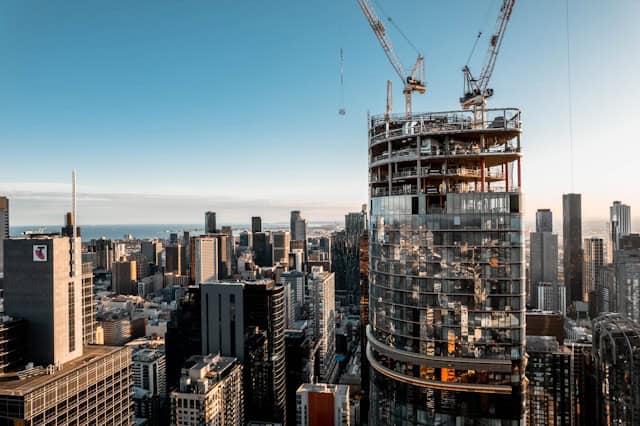
The Victorian Government, under its new leader, Ben Carroll, has announced the “Royal Commission into the Integrity of Major Public and Civil Infrastructure Construction Projects in Victoria“. The Terms of Reference (ToR) have largely been praised for their breadth, but do they have any occupational health and safety (OHS) relevance? Early reporting of the government’s announcement often mentioned that the
“…lawful, legitimate and appropriate actions taken by parties under occupational health and safety laws and regulations.”
But there is more to consider.
Save the Player, Save the Game: Rethinking Brain Injury in Australian Football
I have been writing about how occupational health and safety should apply to professional contact sports for a few years. The emergence of concussion, traumatic brain injury, and CTE has changed how sports are managed and the sports themselves.
I hope when you have 14 minutes to spare, perhaps on your smoko, walking at lunchtime or on the gym’s treadmill, that you get a chance to listen. Afterwards, please post some comments or message me on the socials.
BHP Puts Safety First but Reports Sexual Harassment Under Sustainability
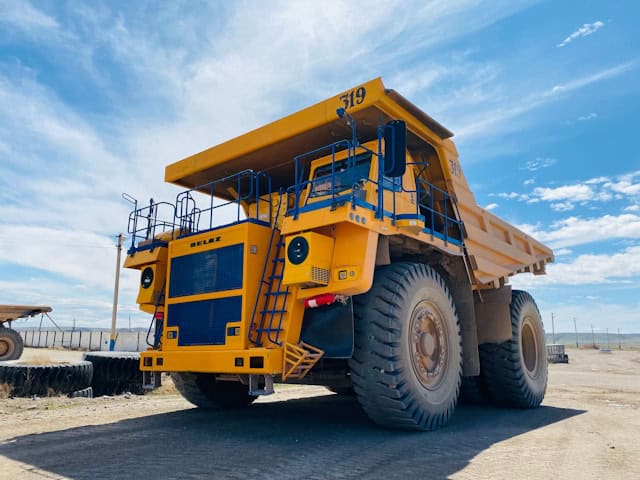
BHP has just released its Annual Report for the latest financial year, which includes occupational health and safety (OHS).
The report places Safety as the opening chapter of the Annual Report. Symbolically, this matters even if the issues don’t feature in some of the preceding executive statements. If Safety is a number one priority, or even just a top priority, OHS shouldn’t be shunted to a sustainability supplementary report, as many employers do. So a Gold Star to BHP, but I would take back that praise when looking at how sexual harassment was reported.
Businesses Want Maximum Productivity, But Will Workers Get a Maximum Temperature?
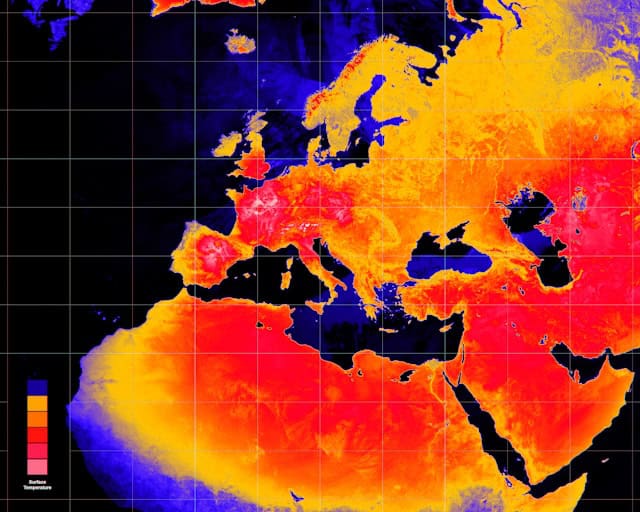
In the Northern Hemisphere, workers are again facing dangerous summer heat. In a few months, it will be the Southern Hemisphere’s turn. Climate extremes are producing droughts, wildfires, and crop failures. It’s not the end of the world, but it’s becoming easier to see how the world ends, and how work and business will be affected. As with most catastrophes, occupational health and safety (OHS) sits quietly in the background. It needs to step forward because it has tools that can help.
Concussion Reform Won’t Happen Until We Stop Pretending Sport Is Exempt from OHS
The risk of concussion in professional sports is getting an increasing amount of attention, and the prevention of harm is starting to be considered, but the consequences of the changes required are being resisted or, perhaps more accurately, dreaded.
A recent article by John Hennessy of the Community Concussion Research Foundation (CCRF) in the Australian Financial Review highlights progress toward serious consideration of harm prevention in sporting workplaces.