Action on Health and Safety is always a choice

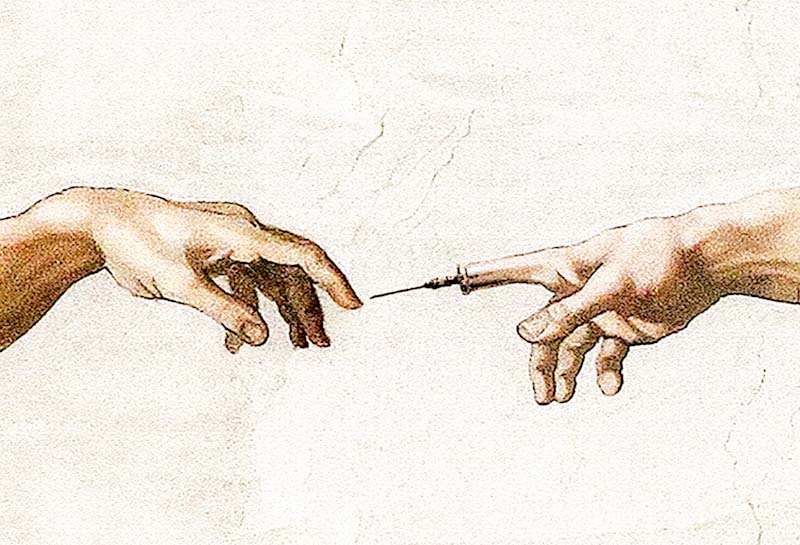
Last week epidemiologist Hassan Vally wrote one article in The Age called either “Health or economy a false choice” or “COVID caution can be a win for both public health and business” (paywalled), depending on the sub-editor and format. Curiously one has a negative implication, the other, the opposite. Either way, the article illustrates the public health dichotomy that mirrors that of occupational health and safety (OHS).

OHS often requires a decision between profit or production and safety. Public Health deciders need to consider the interests of the public and the duties of government. I prefer the former headline because it states that this decision is a “choice”. Safety, occupational or public, is always a choice.

Subscribe to SafetyAtWorkBlog to continue reading.
Subscribe Help
Already a member? Log in here

Improving the OHS state of knowledge

Earlier today, I wrote about the potential benefits of having an Australian Workplace Safety Bureau, an idea I first proposed in 2018. Others have similar thoughts.

On the Australian Broadcasting Corporation (ABC) website, Elizabeth Byrne has written about the decade-long effort of Kay Catanzariti to gain justice, and an apology, for the death of her son, Ben. Catanzariti has been a strong advocate for workplace health and safety for a long time. The ABC article quotes Catanzariti:

“Mrs Catanzariti says her experience shows that investigators need more expertise. “I want a federal investigation team for deaths on worksites,” she says.”

Subscribe to SafetyAtWorkBlog to continue reading.
Subscribe Help
Already a member? Log in here

COVID-19 lessons are more likely to come from an independent investigation than from OHS prosecutions

WorkSafe Victoria has a window of two years, within which it must start a prosecution for breaches of the occupational health and safety (OHS) legislation. As a result, a small number of notable prosecutions commenced recently from the early days of the coronavirus pandemic.

Over the last few weeks, Worksafe has started court action against St Basil’s Homes For The Aged, Heritage Care Pty Ltd and an individual nurse.

Subscribe to SafetyAtWorkBlog to continue reading.
Subscribe Help
Already a member? Log in here

Vaccine mandates and omission bias

Over the last two years or so, occupational health and safety (OHS) professionals seemed to have been the go-to people for handling the workplace impacts of the coronavirus pandemic. Whether that is fair or not is debatable, but it is likely to repeat reality as workplaces continue to face labour shortages, production and supply disruption and variable exposure to the virus. At the moment, many politicians are uncertain about how to proceed. Employers need to have an operational plan, but they, or their OHS advisers, also need to step back occasionally and look at the larger context.

That step-back perspective is just what Dyani Lewis has done in a small but useful book called “Unvaxxed – Trust, Truth and the Rise of Vaccine Outrage“.

Subscribe to SafetyAtWorkBlog to continue reading.
Subscribe Help
Already a member? Log in here

“the job is never done”

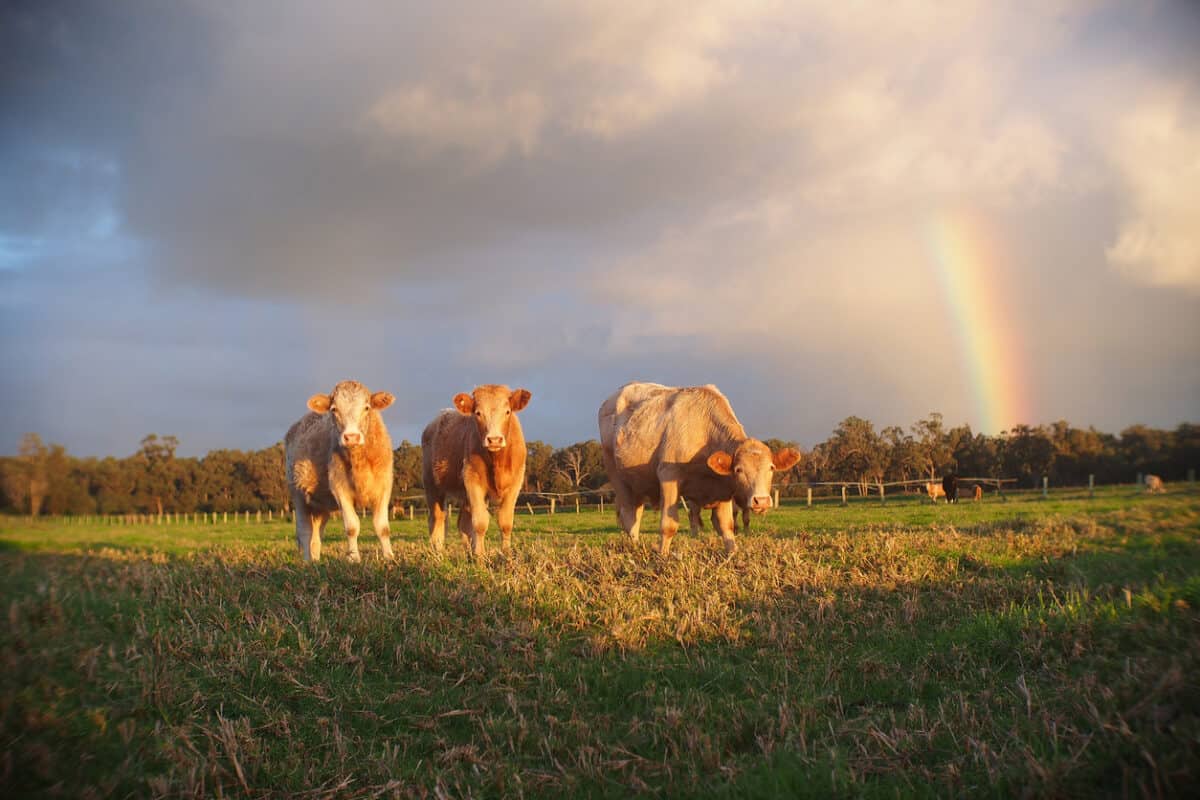
Every so often, there are sufficient numbers of workplace deaths and injuries that a government feels the need to act. In 2019, the Queensland government closed down its mining sector for a “safety reset”, which required every mine worker to be retrained in occupational health and safety (OHS). Recently Western Australia needed to act on deaths in its farming sector and has established an inquiry into the issues.

Farming is perhaps the hardest industry in which to affect change. It is dominated by male workers and farmers. It has next to no union presence. OHS inspectors rarely attend farms except after a severe injury or death.

Subscribe to SafetyAtWorkBlog to continue reading.
Subscribe Help
Already a member? Log in here

Victorian sexual harassment recommendations protect workers – sort of

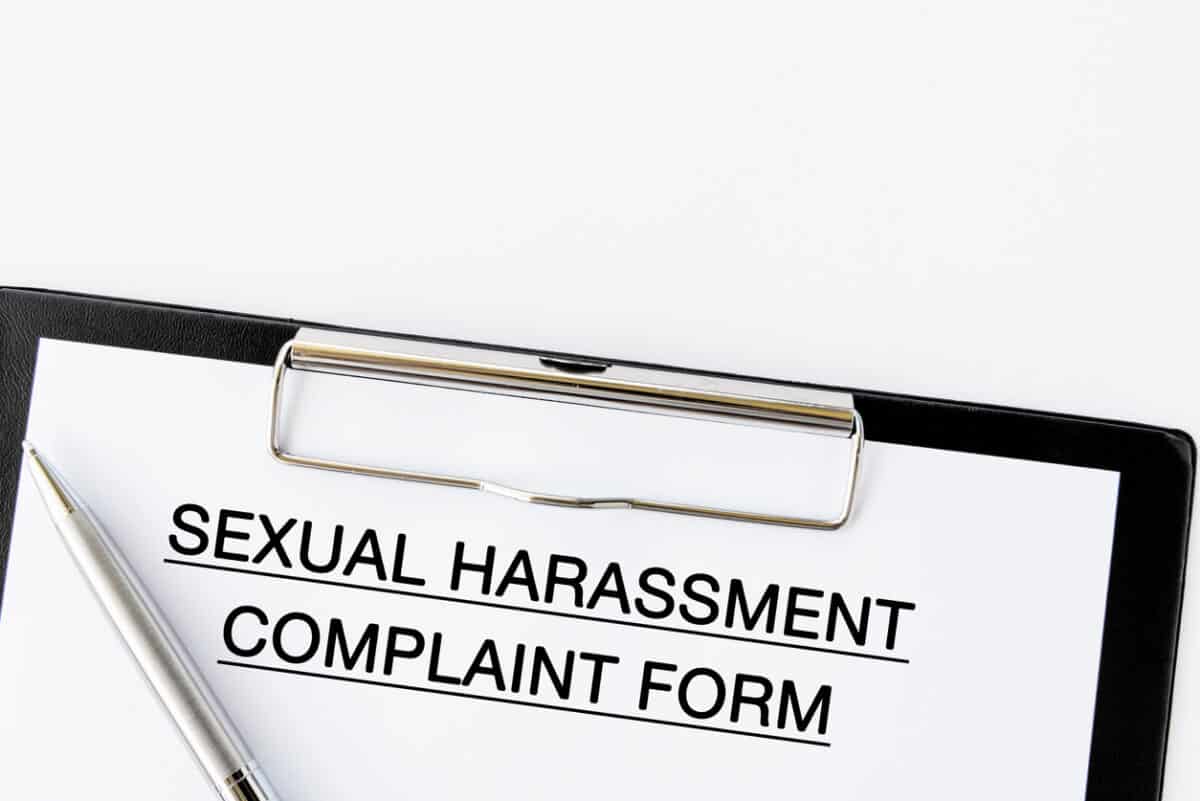
In light of many workplace sexual harassment scandals in Australia, the Victorian Government established a task force to look at the issues and make recommendations. That task force has released its findings, the government has responded, and the media has focused on mainly one issue – non-disclosure agreements (NDAs) – missing out on other important information. And questions like, why did Victoria have the task force at all?

Subscribe to SafetyAtWorkBlog to continue reading.
Subscribe Help
Already a member? Log in here

What’s not worked on workplace mental health

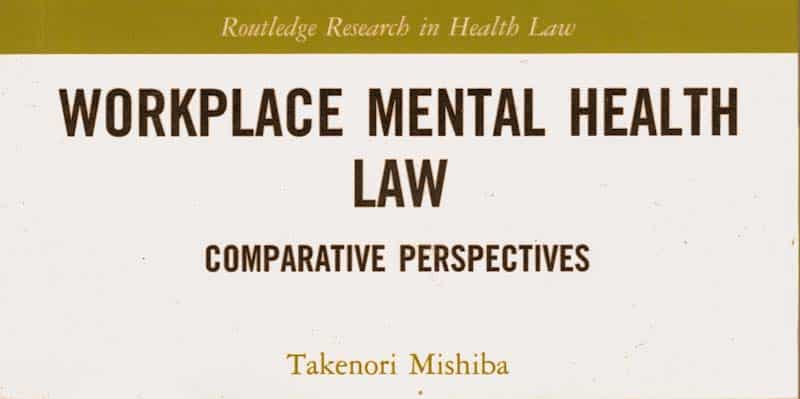
We need to seek alternative perspectives to better understand ourselves and our place in the world. In 2020,Takenori Mishiba wrote about comparative perspectives of workplace mental health laws. The book has been published in a more affordable paperback edition very recently. The attraction of this book is that Australia was not part of Mishiba’s research.

On the first page, Mishiba states that:

“…there is currently no precise legal definition of mental health.”

This alone should generate great concern in the occupational health and safety (OHS) discipline.

Subscribe to SafetyAtWorkBlog to continue reading.
Subscribe Help
Already a member? Log in here
Concatenate Web Development
© Designed and developed by Concatenate Aust Pty Ltd