
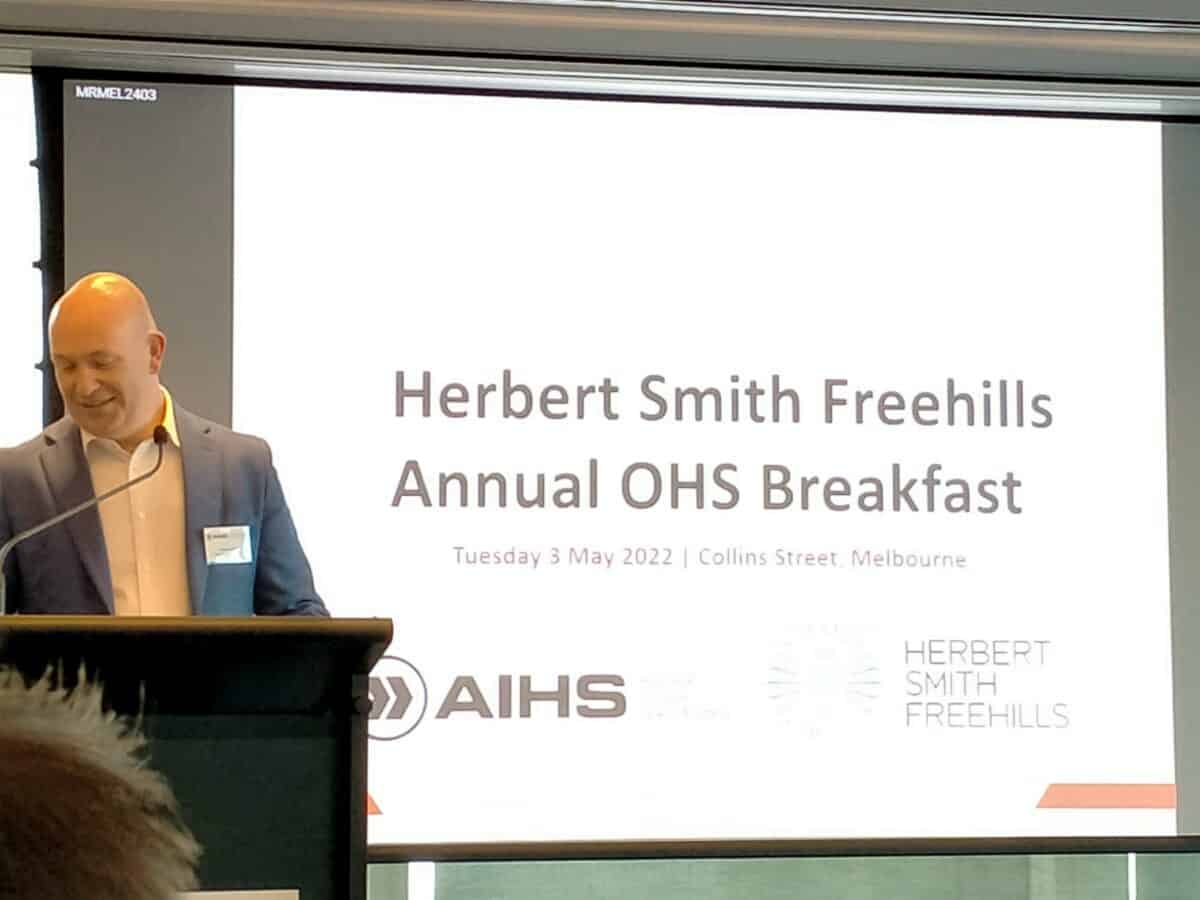
The Australian Institute of Health and Safety (AIHS) and Herbert Smith Freehills (HSF) annual breakfast physically returned this month after a few years of enforced absence. It kept its traditional structure – speeches from the local OHS regulator WorkSafe Victoria, representatives from HSF and AIHS and a summary of a salary survey report focused on occupational health and safety (OHS) professionals. The presentation that made the expense worthwhile came from one of HSF’s Regional Heads of Practice, Steve Bell, concerning new regulations for psychologically healthy workplaces.
Category: Burnout
Burnout causes are organisational. Who knew?
This blog has written frequently about “burnout” in workplaces, especially since the condition was defined by the World Health Organisation in 2019. I have seen it used many times as a shortcut, or synonym, for workplace mental health but usually only at the corporate, executive level. Workers have breakdowns, but executives seem to suffer burnout.
Recently a book was published in the United States called “The Burnout Epidemic, or The Risk of Chronic Stress and How We Can Fix It”, by journalist Jennifer Moss. What is most outstanding about this book is that the recommended fix is organisational. Usually, burnout books from the States focus on the individual worker or executive. This fresh US perspective makes the book essential reading for if the US recognises how to fix burnout and chronic stress, any country can.

HR inching its way to an OHS epiphany
A new Human Resources (HR) article shows some promise in addressing the institutional factors that lead to poor mental health in workers.
The website for Human Resources Director asks, “Should HR be concerned about employee economic insecurity?” I would ask, “how can it not be?” given that Australian research over the last twenty years and international research since early last century has identified that job insecurity is one of several major factors in poor mental health for workers and other occupational health and safety (OHS) outcomes. HR should also be anticipating a renewed duty of care from the upcoming national OHS regulations on psychologically healthy workplaces.

Will workplace psychological regulations work?
Recently the Victorian Government released its proposed Occupational Health and Safety Amendment (Psychological Health) Regulations supported by a 106-page Regulatory Impact Statement (RIS) written by Deloitte Access Economics. Public consultation and submissions are welcome up to the end of March 2022.
These regulations have been promised by the Victorian Government for some time and are likely to be debated in Parliament later in this (election) year. The RIS raises substantial questions, but the Regulations stem from primarily a political decision, so those political promises need to be examined.
This is the first of a series of articles on psychological health and the proposed regulations over the next few days.
We know how to prevent burnout but we have little desire to change
Probono Australia is reporting that employee burnout is on the rise. Burnout is increasingly being used as an alternative term for mental ill-health or stress at work. The report on which the writer based their article is not surprising, but the recommendations are. The subheading for the article is:
““Structural and cultural shifts, not wellness initiatives, are needed to address the chronic workplace stress of burnout.”
But the article also pulls together other workplace mental health factors:
“The rise of digitisation has brought with it a need to ‘always be on’ and, with that, employee work-life balance has become harder to maintain. It was this type of ‘24/7 access to employees’ thinking, the study found, that led to burnout.”

A good job is also a safe job
At the moment, “The Great Resignation” remains a United States phenomenon, but part of that movement involves a reassessment of one’s job. Is it a good job? Is it meaningful work? Is it a good job now but likely not in the future? I would include my occupational health and safety perspective (OHS) and ask if it is a safe job, but I accept that my perspective is far from universal.
Recently Sarah O’Connor wrote in the Financial Times about the importance of having a decent boss. She wrote that
“Economists are increasingly of the opinion that the quality of jobs matter as much as their quantity”
Danger Money corrupts OHS
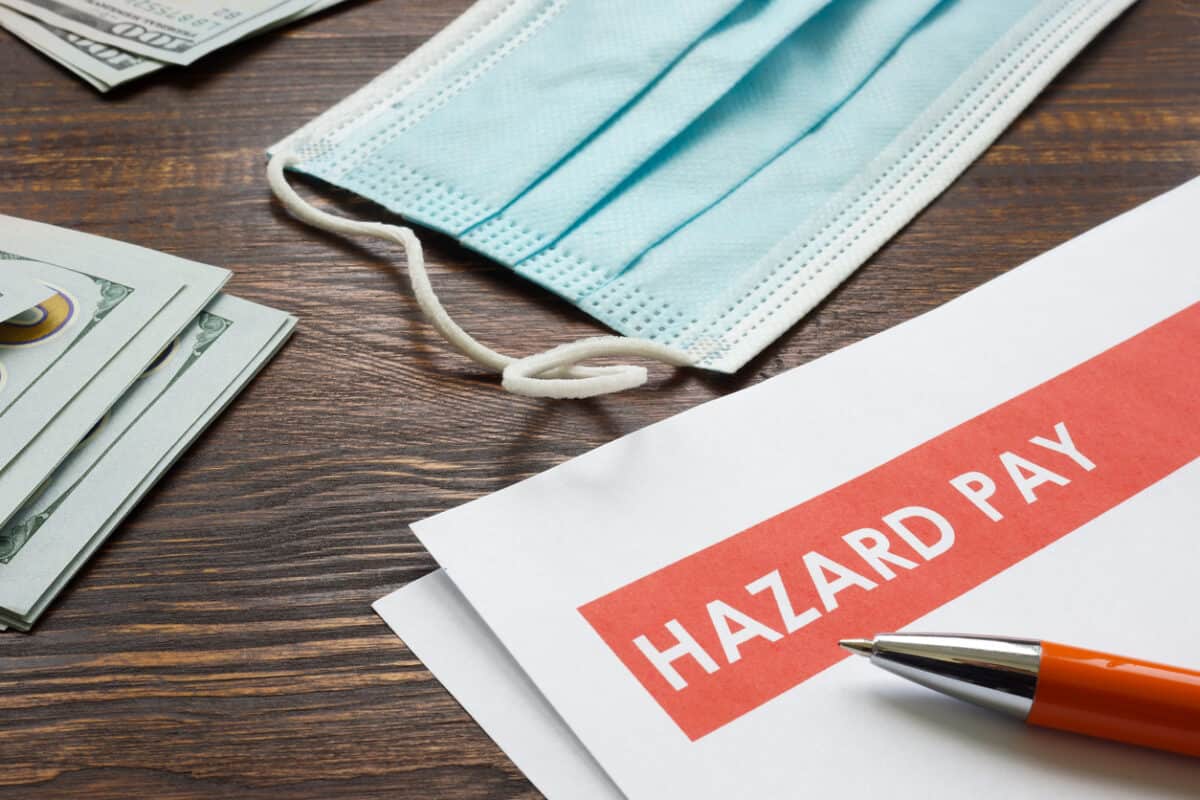
The traditional manner for employers to get unsavoury or hazardous work tasks done is to offer more money. This is referred to as Danger Money in some countries and Hazard Pay in others. There has been a resurgence in Danger Money during the COVID-19 pandemic, offered by some employers and requested by some workers and unions. This negotiation is a collaborative avoidance of both groups’ occupational health and safety (OHS) obligations and should be opposed vigorously by OHS associations and advocates.