

Political debates do not stop at the workplace door. When questions of independence, self-government and national identity become highly charged, they can affect employee wellbeing, workplace relationships and an organisation’s ability to operate calmly and fairly. The current discussion around Alberta separatism in Canada, when compared with Norfolk Island’s campaign for greater self-government, offers useful lessons for Australian employers. The constitutional issues differ, but both cases show how distrust of distant decision-makers can deepen division, and why workplaces need practical systems for consultation, respectful communication, and psychosocial risk management.
Category: psychosocial
Psychosocial Risk Isn’t Special – Start With Hazard Identification
A LinkedIn colleague said this to me recently in a thread I started:
“I can’t see the logic in not integrating psychosocial hazards into the risk assessment process. The scope and complexity of the org will obvs have an impact but on one hand you’re saying employers have to manage both physical and psychosocial hazards/controls, but not to use the same process. And while we’re at it, that’s HR’s responsibility so it’s not on us. I say engage, embrace and guide the entire leadership team (HR included) in the process. As to why you wouldn’t use the risk assessment process I’m keen to know how you demonstrate you’ve used the hierarchy of control and reduced the risk alarp.” (slight edits)
Here is my response and clarification.

Wellness Is Not Safety and Employers Can No Longer Avoid Their Duty
For a country with clear health and safety obligations for almost half a century, it’s remarkable how often Australia still hears employers say they’re “unsure” what psychological health and safety requires. The duty has never been ambiguous. Employers must provide work that is safe and healthy and free from risks so far as is reasonably practicable. That obligation to prevent psychosocial hazards, the precursors to psychological ill-health, has been sitting in legislation since the 1970s and 1980s. It didn’t suddenly appear. It didn’t evolve spontaneously out of the primordial ooze. For those of us under the age of 70, it has always been there.

Why the Intergenerational Report Matters More to OHS Than Treasury Realises
This week the Australian Government released its latest Intergenerational Report (IGR). It does not discuss occupational health and safety (OHS) directly, but it does cover some of the socioeconomic factors within which OHS must be managed.
The report’s projections on ageing, labour supply, climate, care demand, migration and fiscal pressure shift safety from a narrow focus on acute hazards to a long‑term, systemic challenge centred on chronic exposure, job design, psychosocial harm and workforce vulnerability. The IGR is important for our consideration of work-related harm.

Understanding How Work-From-Home Reshapes Psychosocial and Safety Obligations
Yesterday I posed the following questions for Victoria’s upcoming Parliamentary Committee inquiry into proposed work-from-home (WFH) laws.
- Does WFH increase or reduce psychosocial harm?
- Does WFH improve or worsen fatigue, workload, or burnout?
- Does WFH reduce commuting‑related risks (not just monetary costs)?
- Does remote work affect hazard reporting or supervision?
- Does WFH change the risk profile for vulnerable workers?
Below I offer some answers.
The Work-From-Home Right Meets Business Group Anxiety
Based on mainstream media reports of the working-from-home (WFH) debate in Victoria over the last few weeks, Victorian politics has fractured over the proposal to give most employees a right to work from home two days a week. The politics of the WFH initiative came to the fore, even if occupational health and safety (OHS) didn’t.
Psychosocial Safety Gets Serious When the Wellbeing Fluff Is Stripped Away
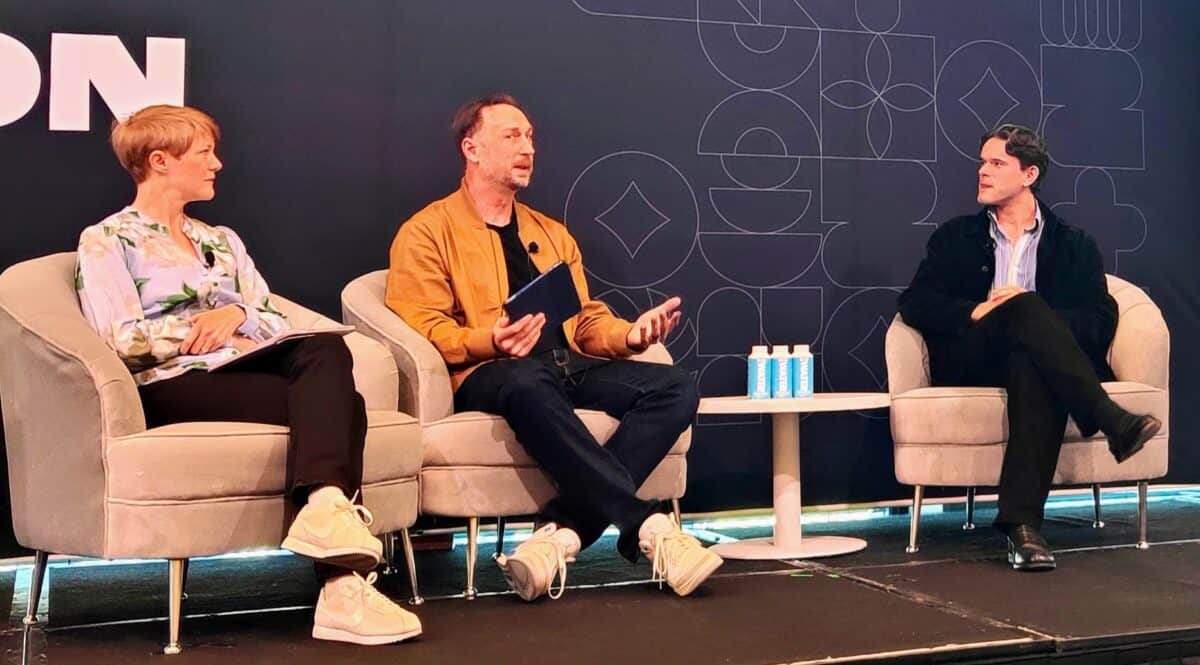
Day Two of PHSCon was likely to be uncomfortable. Day One covered context, community and curiosity. Day Two asked a more difficult question. Now that employers know more about psychosocial hazards, are they prepared to change how work is designed, managed and measured? The broad answer from the speakers and case studies was “not really”. Genuinely managing psychosocial hazards and psychological safety is not a wellbeing campaign, a mindfulness app, a webinar series or another glossy page on the intranet. It is occupational health and safety (OHS), and it requires the same attention to hazards, controls, governance, and review that employers claim to routinely apply to physical risks.