
Sometimes you need to stop what you’re doing and reflect. This could relate to life, work, values or more. I was invited to talk to the Central Safety Group (CSG) this week on “Challenging Mainstream OHS Views”, so I stopped, thought, and jotted down some personal opinions to discuss. It was a helpful exercise.
Category: psychosocial
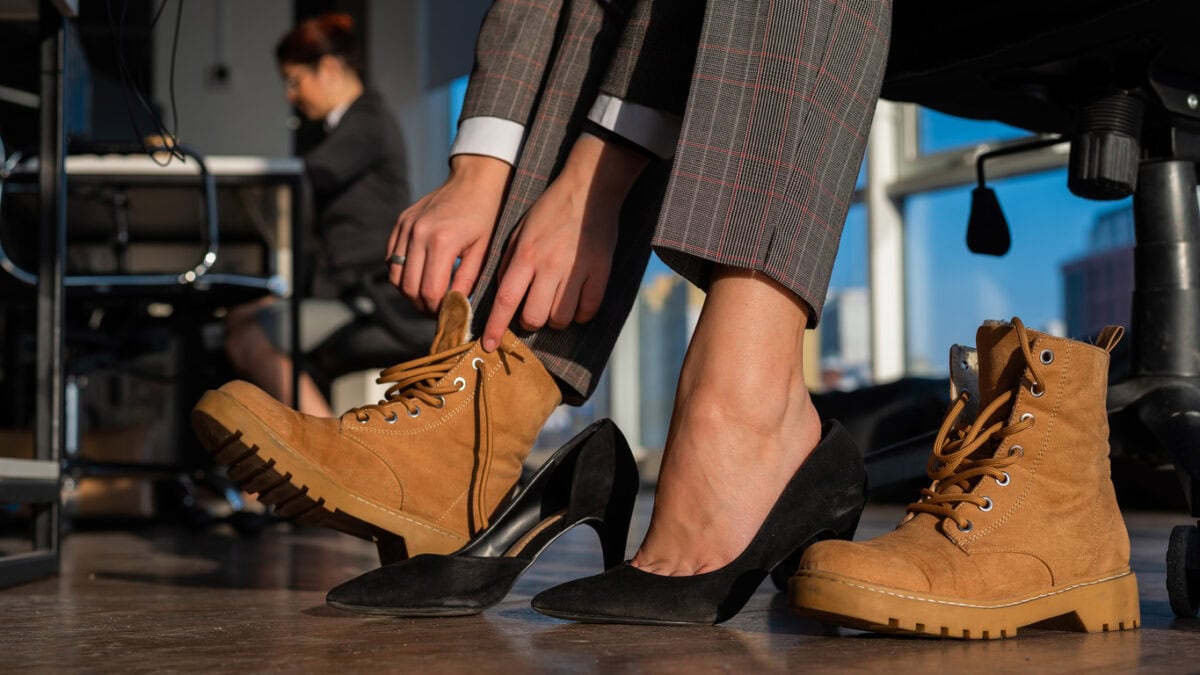
First steps in preventing psychological harm at work may be the hardest
Occupational health and safety (OHS) podcasts are increasingly common. They are reaching peak-podcast just as peak-blog may have done a few years ago, BUT the increased attention to workplace psychological health continues to create more. A new, short, informative, and useful one is “Inside Safety” with lawyers Steve Bell and Nerida Jessup.
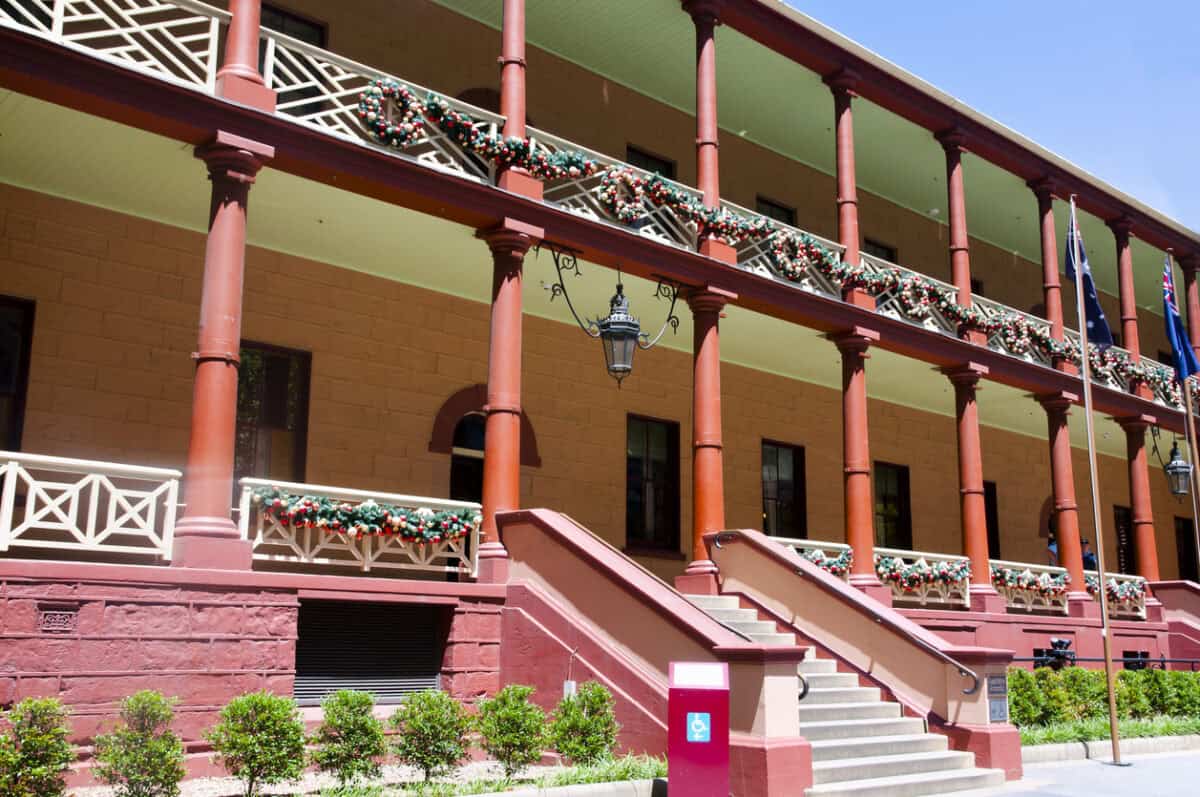
NSW Bickers Over Psych Comp Costs While Ignoring the Cure: Safer Workplaces
Currently, workplace politics in New South Wales are wrapped up in arguing about changes to the way workers’ compensation covers those with a psychological injury. The justification, as it was with similar issues in Victoria last year, is that the growth in workplace mental health claims apparently jeopardises the viability of the workers’ compensation scheme. These arguments exclude the long-term occupational health and safety (OHS) solution to the problem, and it is not as if governments were unaware of this emerging financial challenge.
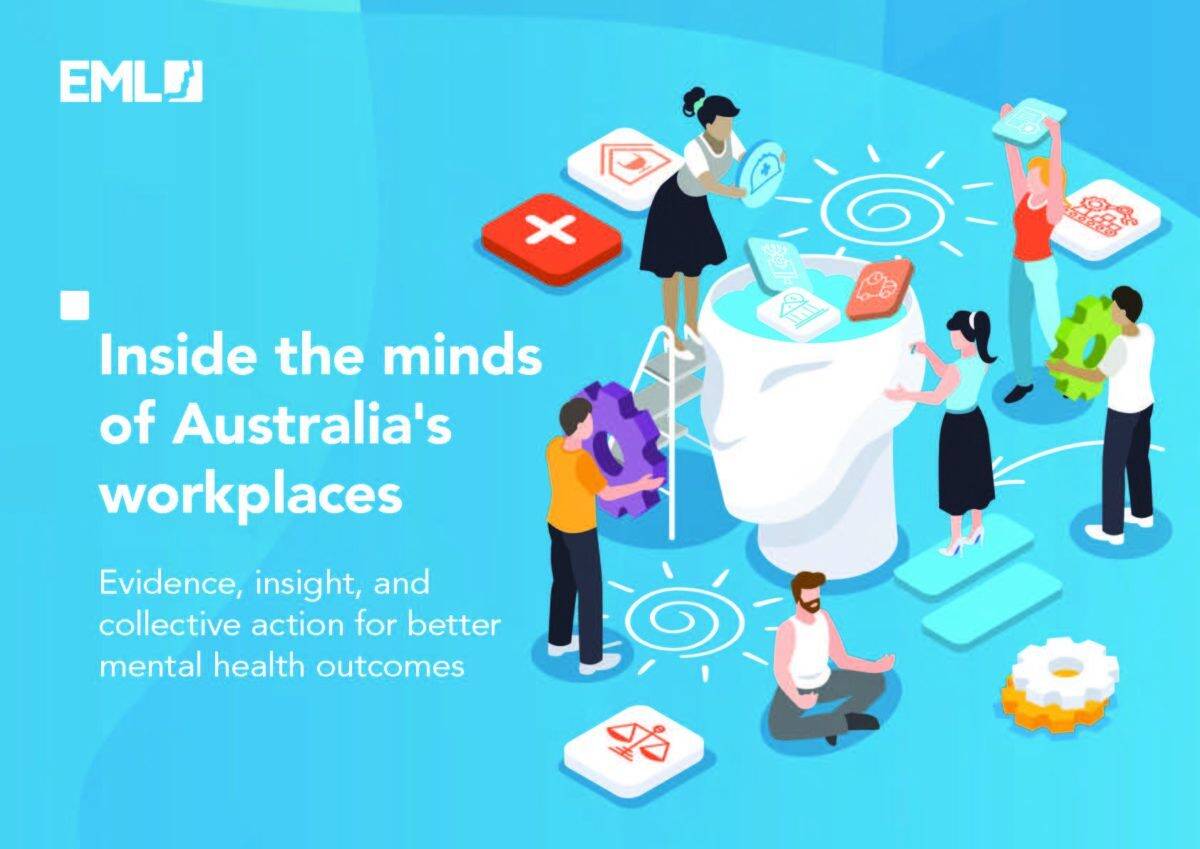
Self-Reported Stress or Diagnosed Distress? New Mental Health White Paper Sparks Debate
On June 3 2025, workers’ compensation insurer EML released its white paper on mental health in Australian workplaces. The paper is full of recent data on worker perceptions of psychological health; however, its significance is limited by relying on self-reported survey data. More interesting information came from the Question and Answer panel session at the report’s Melbourne launch.

Stakeholder vs. Shareholder: The Capitalism Clash Shaping Safer Workplaces
Elements of Andrew Hopkins’ latest book have been spinning in my head for a couple of weeks as they echo my thoughts on occupational health and safety (OHS) over the last few years. I cannot shake his discussion of stakeholder capitalism and shareholder capitalism. These two elements of business management are crucial to our understanding of OHS and how we should proceed, particularly in relation to psychological health.
Work-from-Home Wins: Productivity Holds, Mental Health Glows, but Bosses Still Crave the Office Status Quo
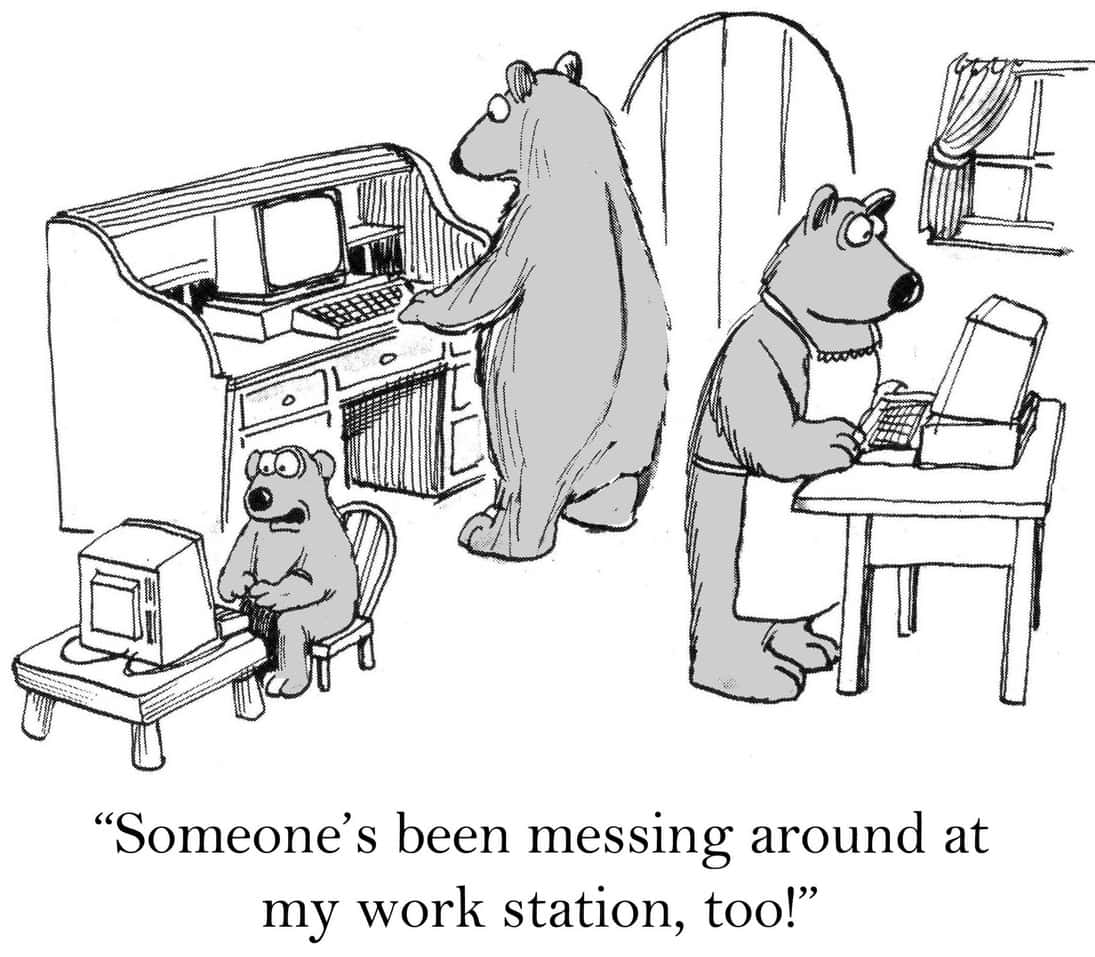
“WFH is probably good for productivity” was a headline in the Australian Financial Review (AFR) of May 29 2025. The online version (paywalled) added “if it’s part-time”. The Productivity Commission‘s examination of the COVID-19 pandemic in its “before-and-after” report presents some new perspectives on occupational health and safety (OHS) aspects of working from home.
From Sidekick to Spotlight: WHS Show Steps Up, But a Few Big Players are missing
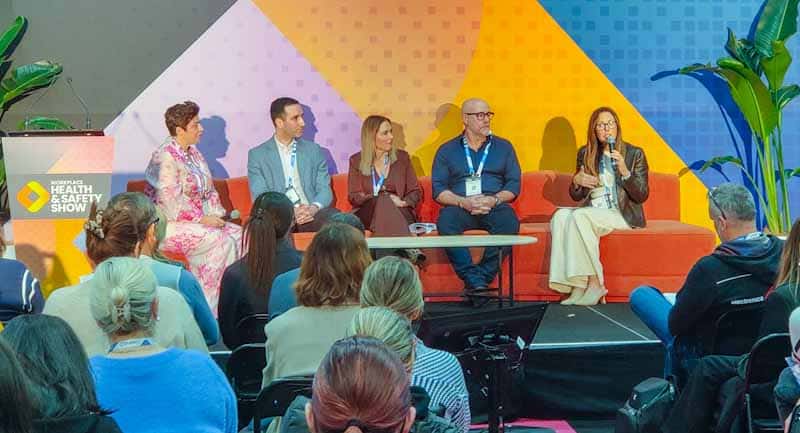
Over the last couple of decades, the Workplace Health and Safety Show has evolved from a trade show tacked onto occupational health and safety (OHS) conferences to an independent entity. But is it any good? I spent a few hours there last week to find out.
The Workplace Health and Safety Show is a two-day event that travels to major Australian capital cities each year. Its origin was as a trade show that accompanied OHS conferences, offering a clearly commercial counterpoint to the regulators and academic presentations at the conferences. The challenge in attracting conference delegates was that they had usually paid big money to attend the conference and needed to make a trade-off between their commitment to the conference and the opportunity to stroll the trade show. Other than lunchtime, the conferences rarely allocated enough time for the trade shows, which are an important part of demonstrating the practical application of many of the concepts presented at the conference.
Continue reading “From Sidekick to Spotlight: WHS Show Steps Up, But a Few Big Players are missing”