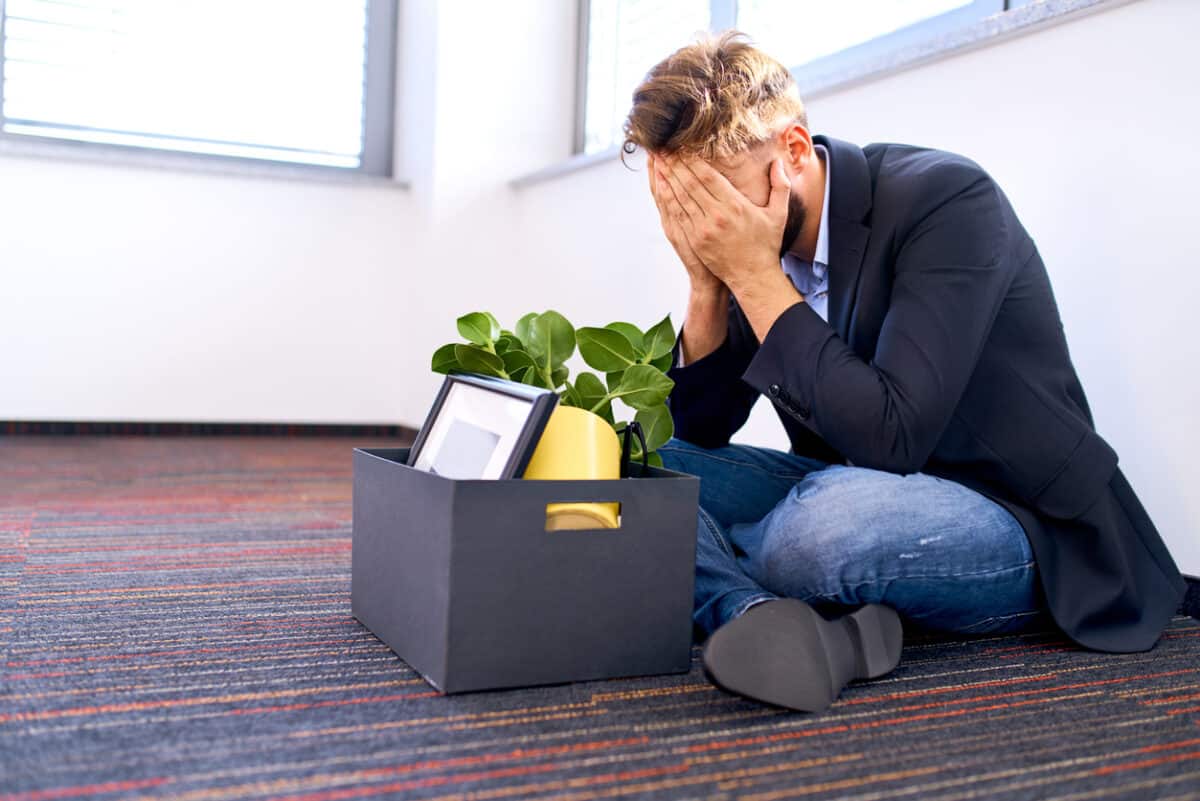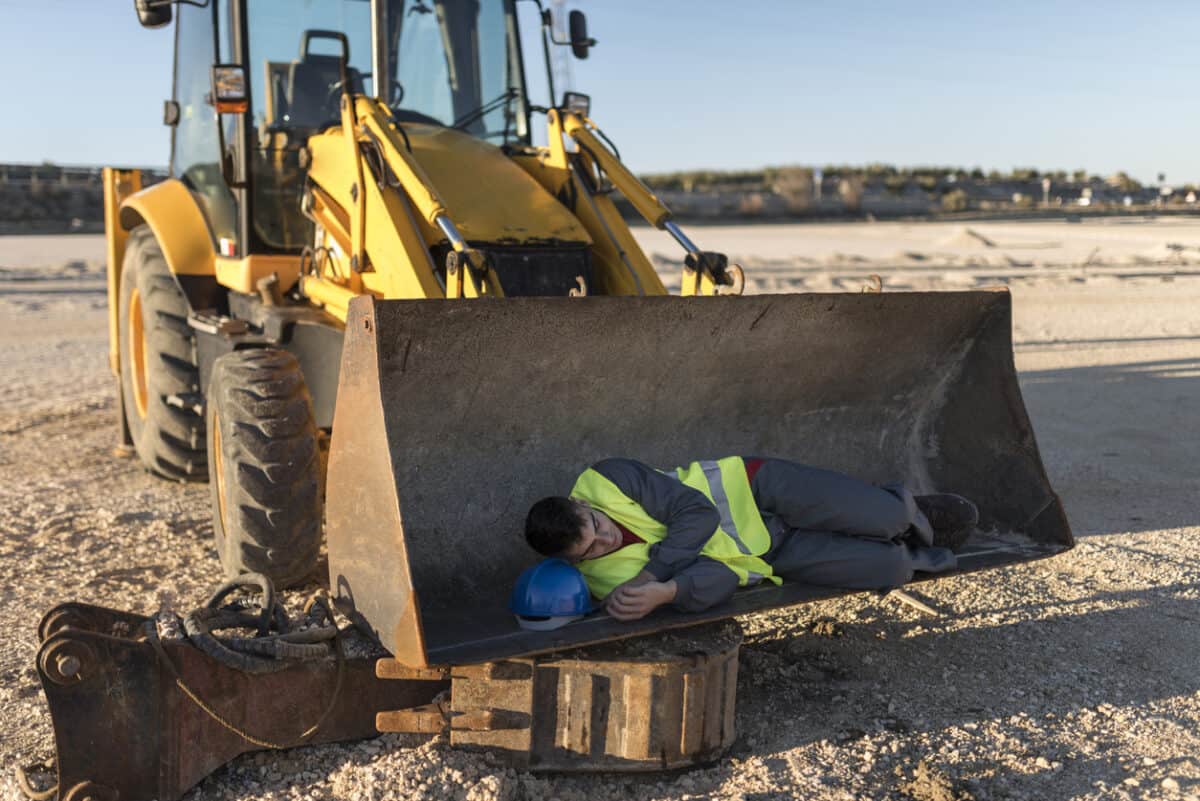
“it’s much harder to fix work than it is to fix workers”

Recently in the International Journal of Epidemiology*, Professor Tony Lamontagne and his colleagues wrote that their Australian research:

“….. showed that improving job security is strongly associated with decreasing depression and anxiety symptoms.”

This is an example of the precise research statements that LaMontagne has made over several decades, which have been enormously helpful to those occupational health and safety (OHS) advocates and professionals who choose to use them.

Recently this clarity was on display for over 90 minutes in a podcast interview with LaMontagne. It should be obligatory listening for OHS people.

Subscribe to SafetyAtWorkBlog to continue reading.
Subscribe Help
Already a member? Log in here

Guidance can help but change needs a challenge

The Australian Chamber of Commerce and Industry (ACCI) has released a guide for employers on managing sexual harassment in workplaces. It contains a lot of helpful information, but it also illustrates the self-imposed limits that business has on preventing workplace psychological hazards. To a lesser extent, it is downplaying the preventative role of occupational health and safety (OHS).

Subscribe to SafetyAtWorkBlog to continue reading.
Subscribe Help
Already a member? Log in here

Off-centre perspectives can offer great potential

The Australian government has failed to follow through on its early promises to provide a framework for employers to prevent and reduce sexual harassment in their workplaces. This failure is being interpreted as revealing something about employers’ attitudes to occupational health and safety (OHS) and their own legislative duties.

Employers (and other groups on non-OHS issues) who look to the government for guidance on issues that already have legislative requirements are looking to avoid the social and legal obligations that have usually existed for years. Sexual harassment is an excellent example of a workplace matter getting some serious attention regardless of the government’s inaction. A recent podcast by Maddocks lawyers Catherine Dunlop and Tamsin Webster is part of that attention.

Subscribe to SafetyAtWorkBlog to continue reading.
Subscribe Help
Already a member? Log in here

“Too little, too late” but potential in primary prevention

On Australia’s Women’s Safety Summit, Wendy Tuohy contemplated, in The Age, after the first day;

“It may turn out to be too little, too late, but if there’s real commitment behind Morrison’s lines, we could conclude it’s a start.”

There are few signs of Prime Minister Scott Morrison’s commitment. Women will continue to work in companies and workplaces where they are at risk of psychological harm from sexual harassment and physical harm from sexual assault. Occupational health and safety (OHS) laws offer a harm prevention option that nobody seems keen to consider.

Subscribe to SafetyAtWorkBlog to continue reading.
Subscribe Help
Already a member? Log in here

Back to the old office in a new world

Many employers are rattling around floors of empty offices while their employees are working remotely or at home and almost entirely due to modern telecommunications. This has not been at the request of employers but due to government lockdown requirements. The push to have workers return to multi-storey offices is reflective of the desire to return to normal rather than accepting that established business structures have been rendered impractical or unfeasible for the coronavirus future.

A recent article in the New York Times illustrates this new circumstance well. The article, titled “New surveys show how pandemic workplace policies are shifting“, says that the major information technology companies in the United States that every business seems to want to emulate even though their practices are very questionable are continuing to postpone the return of workers to bricks and mortar (or glass and stainless steel) offices. The NYTimes article is the first to discuss this phenomenon and its relation to mandatory vaccinations.

Subscribe to SafetyAtWorkBlog to continue reading.
Subscribe Help
Already a member? Log in here

Can the sex industry be the same as any other industry?

The Australian State of Victoria has committed to the decriminalisation of sex work. It made this decision some time ago, conducted an inquiry into how this could be achieved and is now in a further consultative process on what laws and practices need to change. The aim is honourable – to reduce the stigma of a legitimate industry. However, there is one statement repeated in media releases and discussion papers that encapsulates the challenge:

“Decriminalisation recognises that sex work is legitimate work and should be regulated through standard business laws, like all other industries in the state.”

That challenge is can, and should, Victoria’s sex industry be treated like “all other industries”?

Subscribe to SafetyAtWorkBlog to continue reading.
Subscribe Help
Already a member? Log in here

Is a definition of a “safe system of work” still needed?

Recently Carlo Caponecchia and Anne Wyatt published a short article about the “safe system of work” (open access for a limited time) – an important concept of occupational health and safety (OHS) and element of OHS laws, but one that is poorly defined; possibly because a sociological definition is more useful, and the sociology of work has always played second fiddle to the legal. This concise article should spark a lively discussion on safety management systems, safety culture and the safe system of business.

Subscribe to SafetyAtWorkBlog to continue reading.
Subscribe Help
Already a member? Log in here
Concatenate Web Development
© Designed and developed by Concatenate Aust Pty Ltd