
Already a member? Log in here
Category: research
Ernst Young’s latest safety discussion paper
Ernst Young (EY) Australia has released a discussion paper about its “Plus One” strategy for occupational health and safety (OHS) and safety culture change. Perhaps the curious and significant issue raised in the document is the way it considers that the “zero harm” era is over.
The document urges people to “build on the lessons of zero harm”. Some would say that the most important lesson is that “zero harm” is bullshit but EY is almost taking “zero harm” as a fixed point in time, or rather a point in thought, from which progress in a new direction is possible. Continue reading “Ernst Young’s latest safety discussion paper”
Where is work-related suicide in the Suicide Prevention Strategy?
 For all the discussion of workplace mental health, work-related suicide continues to receive little attention. Part of this is because unexpected fatalities are shocking and distressing, even more so when the deaths are the result of the worker’s own efforts.
Recently the
Business case seems to miss worker safety
WorkSafe enters battle over quadbike safety
 A decision by WorkSafe Victoria about the fitting of crush protection devices (CPD) to quad-bikes (All Terrain Vehicles/ATV) gained the major prominence in the latest edition of a major Australian farming newspaper, The Weekly Times. The newspaper reports that
“WorkSafe Victoria is tightening rules around quad bikes that will see them banned in workplaces unless appropriate rollover protection is fitted.”
Some of the argument over the last 24 hours has been around whether this means that CPDs are mandatory and, as always, cost.
Just Culture and Restorative Justice
Sometimes it is better to read Sidney Dekker than listen to him. His presentation style is lively but his research and thoughts deserve more measured analysis than a conference or seminar presentation allows. A recent research paper, “‘Just culture:’ Improving safety by achieving substantive, procedural and restorative justice“, shows the advantage of reading over watching.
OHS cost research needs to stretch itself
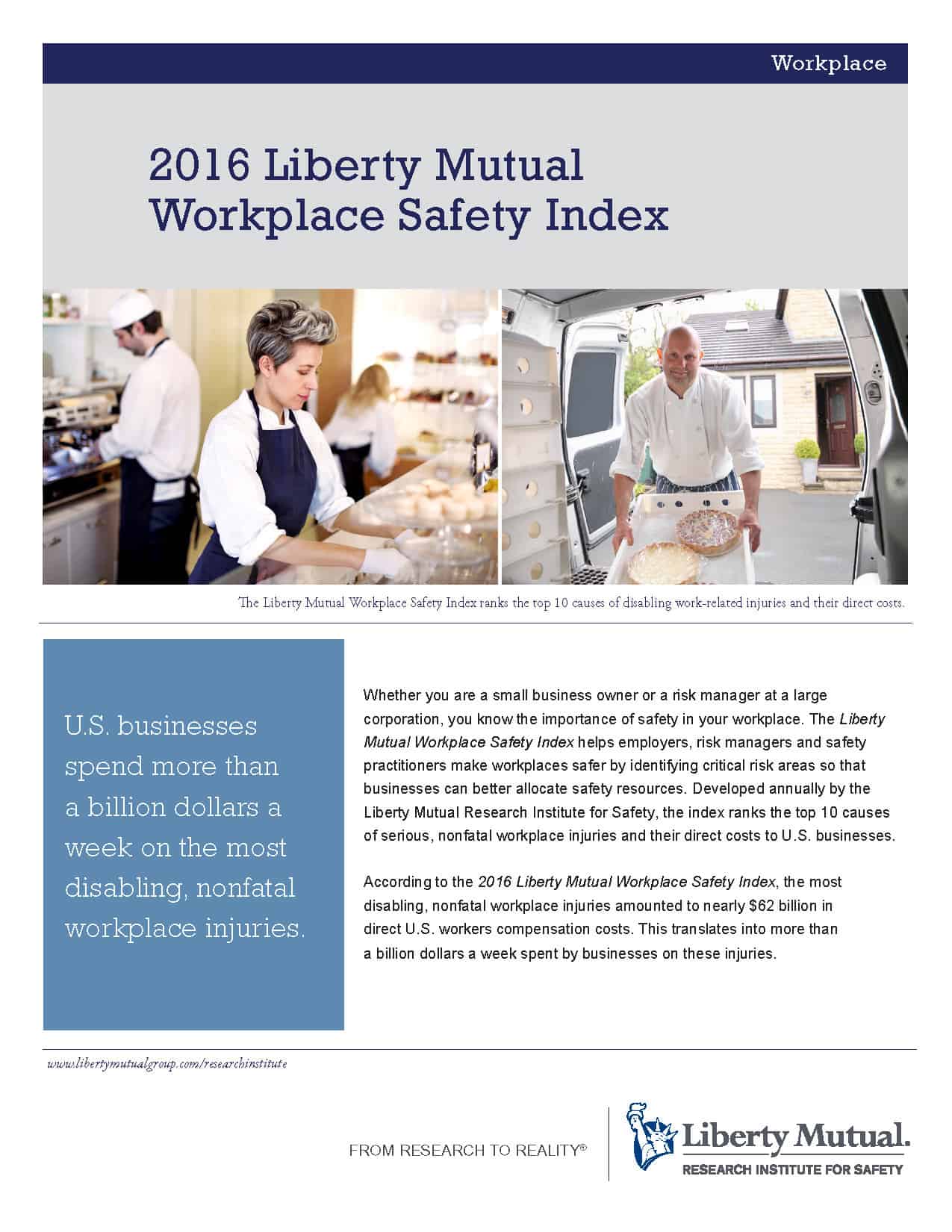 The annual workplace safety report Liberty Mutual Research Institute for Safety always gets a good deal of mainstream media attention. It deserves some of this attention as it has provided sound information on work-related injuries and injury costs for many years but it is now looking dated as it is not keeping up with current research in to the business case for safety, the move to leading indicators and the incorporation of psychosocial injuries (which are also covered by workers compensation). Continue reading “OHS cost research needs to stretch itself”