
Many people are promoting various tools, usually apps, for identifying and managing psychosocial hazards at work. Some experts in the field of organisational psychology are cool on these tools, others are dismissive of poorly designed tools promoted by rent-seekers, others promote free tools, and some say that all the information required is already available if you ask for it and if the keepers of the data will share.
Category: research
Slow progress on mental health at work
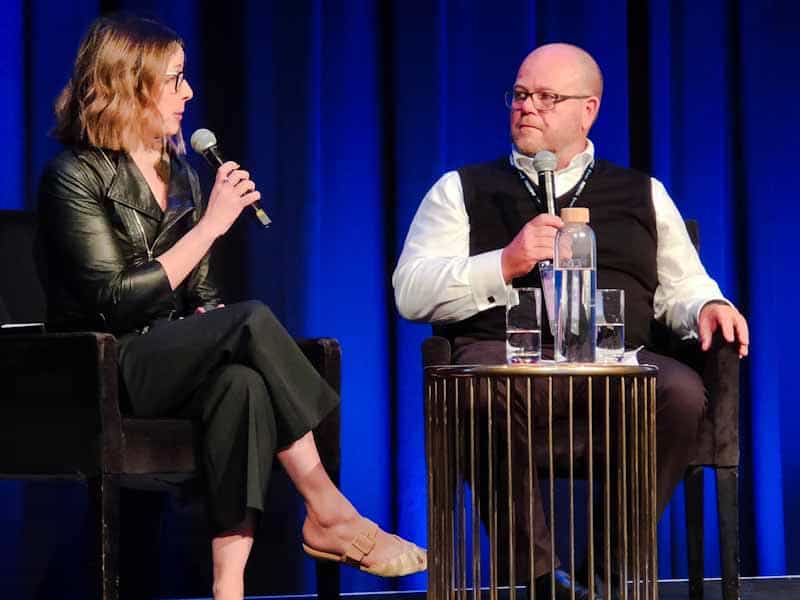
Delegates at the recent Psych Health and Safety Conference were desperate for case studies on how psychosocial hazards are being prevented in Australian workplaces. Instead, they were largely presented with examples of how to manage psychosocial hazards, and many of those strategies were unsurprising – policies, training, counselling, leadership buy-in – and were familiar to those who have been applying well-being programs in their workplaces for years. Several speakers called these strategies bullshit. The most vocal of these speakers was David Burroughs, who was at the conference in a personal capacity.
Initial report on Psych Health and Safety Conference
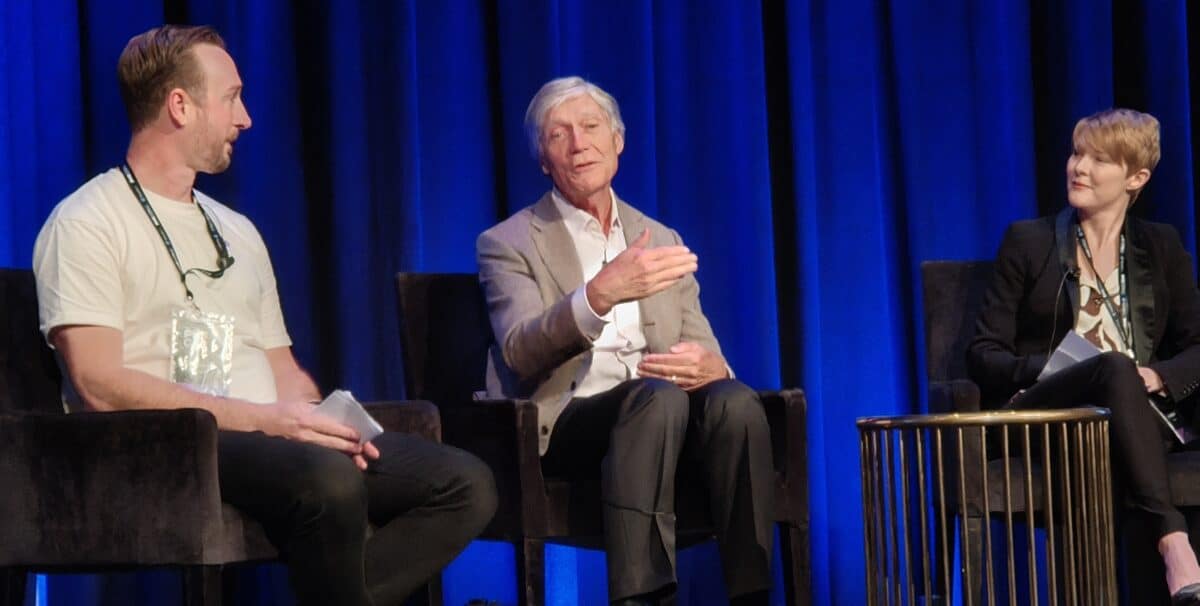
Half way through Day 1 of the Psych Health and Safety Conference and it often feels like we are sitting at a dinner party of organisational psychologists, listening in to a conversation of respectful work colleagues. Some conversations are honest, some are uncomfortable and some are reassuring, but all are interesting.
The psychosocial message may be getting through
Recent Australian insurer Allianz released survey data that revealed:
“….half of surveyed Australian employees claim they feel fatigued and burnt out”.
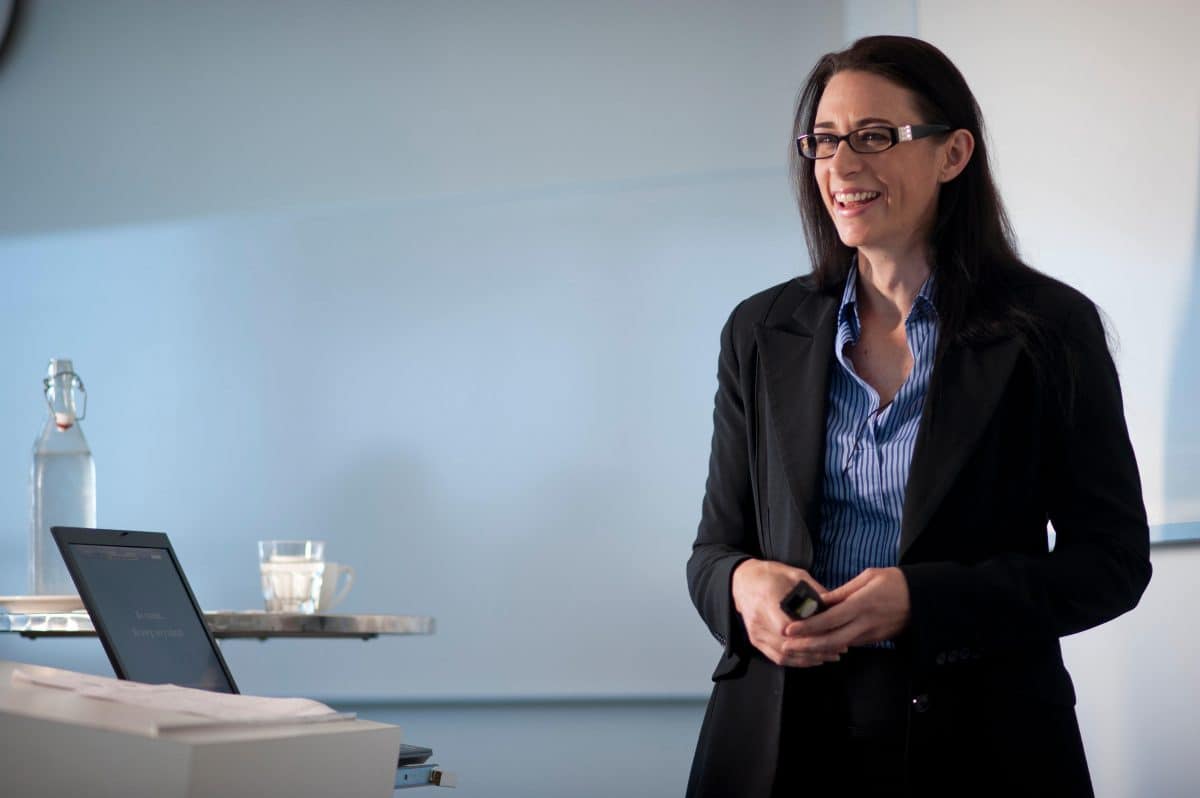
This report generated a recent article (paywalled) in the Australian Financial Review (AFR), which included some important comments from Dr Rebecca Michalak. Her comments are an important introduction to a week that includes SafetyAtWorkBlog’s exclusive reporting on The Psych Health & Safety Conference.

Broadening the OHS perspective
Over the last decade, the occupational health and safety (OHS) profession has been challenged by a new perspective on OHS and its professional interaction with it. Safety Differently, Safety II or some other variation are important and intriguing variations, but they seem to remain confined to the workplace, the obligations of the person conducting a business or undertaking, and/or the employer/employee relationship. The interaction of work and non-work receives less attention than it deserves.
Many OHS professionals bemoan OHS’ confinement to managerial silos but continue to operate within their own self-imposed silo. One way for OHS to progress and to remain current and relevant is to look more broadly at the societal pressures under which they work and how their employees or clients make OHS decisions. Some recent non-OHS books and concepts may help.
If you don’t sound the alarm, who will?
Last week the Australian Institute of Health and Safety (AIHS) National Conference contained some excellent speakers and one or two stinkers. (I will not be reporting on the last speaker of the conference, who spent his first ten minutes “roasting”. i.e. insulting the delegates!) Safe Work Australia’s Marie Boland was an important and informative speaker who nudged the occupational health and safety profession to be more active.

OHS needs to face some moral questions
Regular readers may have noticed that I want to push the occupational health and safety (OHS) profession to think deeper and more broadly about their usually chosen career’s political and socio-economic context. The reasons for OHS’ overall lack of success in making work and workplaces safer and healthier are not only within those locations and activities but also in the limitations that many OHS people place on themselves.
More and more, I look outside the existing OHS research and trends for explanations of why OHS is treated shabbily by employers and corporations and, sometimes, the government. A new book on Growth by Daniel Susskind is helping in this quest. Below is an extract from the book that, I think, helps explain some of OHS’ predicament.