OHS conference – Opportunities for Improvement

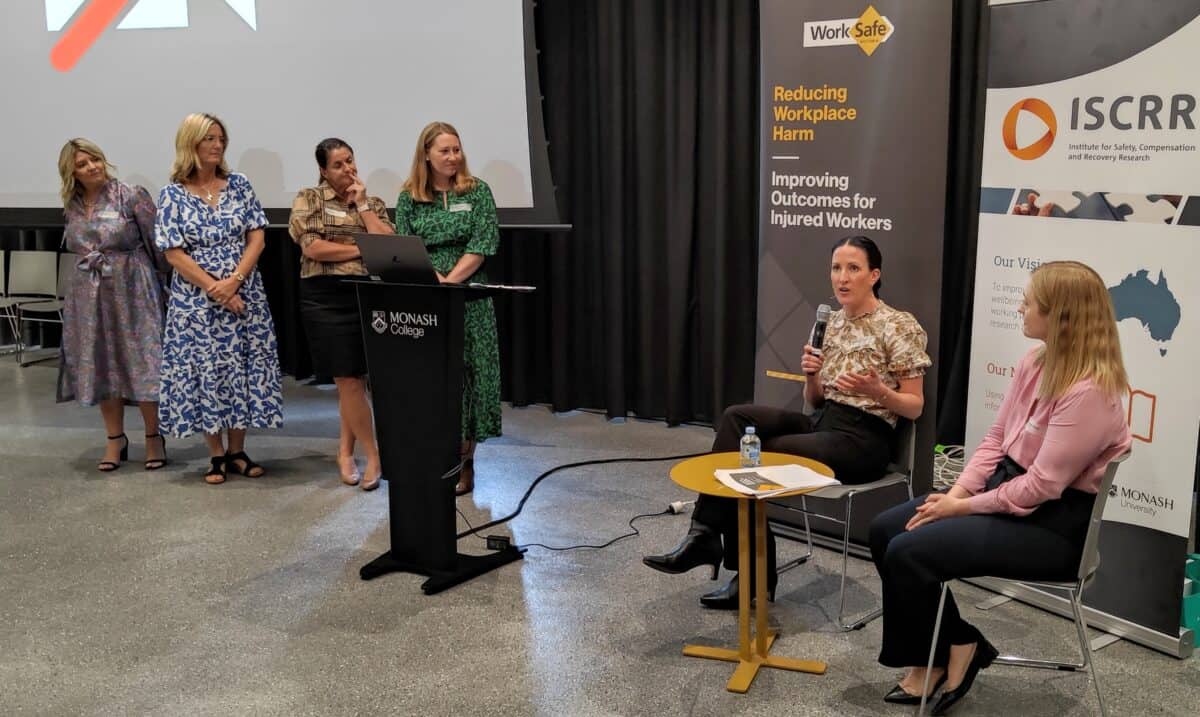
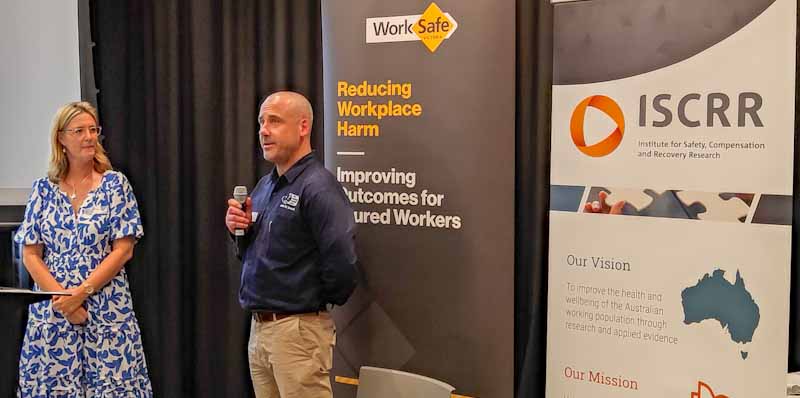
This week the 36th national conference for the Asia Pacific Occupational Safety & Health Organization (APOSHO) was held in Melbourne, Australia. Given that occupational health and safety (OHS) conferences are still finding their feet, the first day of the conference was informative but with some problems. An auditor might say there were plenty of opportunities for improvement.

Some concerns illustrate potential cultural challenges in the year prior to Australia hosting the next World Congress on Safety and Health at Work in Sydney in November 2023, in particular parochialism and patronisation.

Subscribe to SafetyAtWorkBlog to continue reading.
Subscribe Help
Already a member? Log in here

Old working hours concepts persist as subtext in new debates

One of the most contentious occupational health and safety (OHS) elements of industrial relations negotiations is the issue of working hours. And one of the most effective ways to prevent physical and psychological harm is by talking about working hours. The evidence for harm from excessive and often unpaid hours is clear, but some assumptions crop up in the debate every so often.

Two recent books, one by David Graeber & David Wengrow and another by Daniel Susskind, offer reminders of these issues and are useful adjuncts to the Australian research on precarious work by Michael Quinlan, Phillip Bohle and others. ( A Guardian review of Graeber & Wengrow is available here with one from The Atlantic here, Susskind here and here)

Subscribe to SafetyAtWorkBlog to continue reading.
Subscribe Help
Already a member? Log in here

Workplace suicides should be both notified and investigated

Why does this blog keep writing about workplace suicides? For decades, occupational health and safety (OHS) policy has been determined and measured by traumatic physical fatalities. Psychosocial policies need to be determined and measured by work-related suicides. But to achieve this starting point, the stigma of suicide needs addressing. Recently Professor Sarah Waters and Hilda Palmer conducted an online seminar about workplace suicides and including them as notifiable incidents under the United Kingdom’s Reporting of Injuries, Diseases and Dangerous Occurrences Regulations (RIDDOR) laws, Australia needs a similar discussion.

Subscribe to SafetyAtWorkBlog to continue reading.
Subscribe Help
Already a member? Log in here

New OHS data but few solutions

Safe Work Australia has released its latest statistical profile on work health and safety in Australian workplaces.  All of the information in the report is interesting and relevant; most of the information is positive or an update of what was already known.  But there are things missing.

The most obvious limitation of these statistics is that the primary source remains workers’ compensation claims data, which may take years to resolve. We know that this data source is not representative of the level of injuries and harm in Australian workplaces. SWA points out that additional sources are used, such as media reports and notifications from local jurisdictions, but these are of variable quality. 

Subscribe to SafetyAtWorkBlog to continue reading.
Subscribe Help
Already a member? Log in here

Curious economic modelling on OHS

During October’s National Safe Work Month, Safe Work Australia released an important evaluation of the economics of occupational health and safety (OHS). The report, prepared by Deloitte, received minimal attention from the mainstream media who was more focussed on Treasurer Jim Chalmers‘ first national budget statement.

The timing of the report’s release seems unfortunate as work health and safety was almost totally absent from the Treasurer’s budget papers. It is doubly unfortunate as the information in the report focuses so much on the national economic context of managing OHS. The data and modelling may be fresh, but all it seems to achieve is to reinforce that managing work health and safety is important and that not doing so is expensive and presents missed opportunities. We’ve known this for decades from various extensive reports from the Productivity Commission and the Industry Commission before that.

SafetyAtWorkBlog was able to put some questions to Safe Work Australia’s Director, Data Analysis, Phillip Wise.

Subscribe to SafetyAtWorkBlog to continue reading.
Subscribe Help
Already a member? Log in here

Do we have to work?

You often learn more about your area of speciality from reading outside of that speciality. Matthew Taylor’s book “Do We Have To Work?” is one of those books though it overlaps with occupational health and safety (OHS), if one thinks of the role and place of OHS in modern business.

The Big Idea series of books by Thanes & Hudson uses a jaunty format that is jarring in some ways but attractive in others. Its pages use fonts of different sizes, lots of colour images and highlighted cross-references that look like a Dummies Guide on acid, but the content is so good the reader works out where to look and what to choose fairly quickly.

Subscribe to SafetyAtWorkBlog to continue reading.
Subscribe Help
Already a member? Log in here

Small steps in acknowledging workplace psychosocial risks

Australian workplaces need more diversity in their workforce, including workers affected by psychosocial illnesses and conditions. Recently Mental Health Australia released a position statement on employment and mental health.

The statement promoted increased employment opportunities but also touched on the role of occupational health and safety (OHS).

Continue reading “Small steps in acknowledging workplace psychosocial risks”
Concatenate Web Development
© Designed and developed by Concatenate Aust Pty Ltd