Suicide statistics could benefit from a different analysis

Regular readers of this blog would be aware that I feel that the prevention of suicide gains less attention than early intervention and that mental health has dominated suicide discussions to the point that suicides without a mental health context are largely ignored. This situation is starting to change with non-psychological pressures gaining some acknowledgement, if not examination. Mental health still dominates but the pool of contributory factors is expanding.

On 30 November 2020, the Medical Journal of Australia published the best recent example of this change, an article called “Suicide by young Australians, 2006-20415: a cross-sectional analysis of national coronial data.” The most useful statement in the research report, and the media release, is:
Subscribe to SafetyAtWorkBlog to continue reading.
Subscribe Help
Already a member? Log in here

The never-ending line between healthy and sick

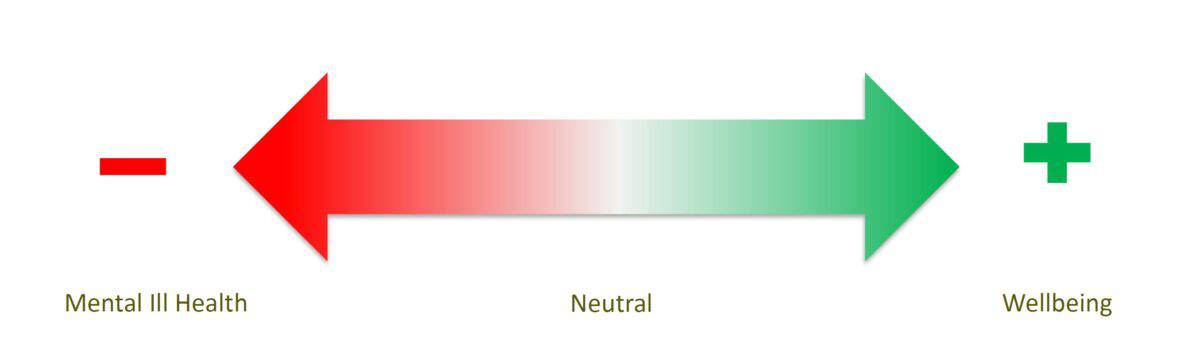
Infographics are increasingly used to summarise sometimes quite complex reports about occupational health and safety (OHS) matters. But often the nuance of the facts being depicted are stripped away in the translation process. There is one graphic that is repeatedly used in the context of mental health that seems to misrepresent reality for the sake of clarity.

Subscribe to SafetyAtWorkBlog to continue reading.
Subscribe Help
Already a member? Log in here

Thanks, but we need more

Statistics are vital to any decisions about occupational health and safety (OHS). Safe Work Australia (SWA) does a great job providing statistical packages based on the data sources it can access. Last week SWA released its 2019 report on “Work-related Traumatic Injury Fatalities” which identified vehicle collisions as, by and large, the most common cause of worker fatalities. This category may be a surprise to many readers but perhaps the most important part of the report is what is omitted.

Subscribe to SafetyAtWorkBlog to continue reading.
Subscribe Help
Already a member? Log in here

Evidence of COVID19 anxiety AND optimism

One of the first research reports into the psychological impacts of the COVID19 pandemic has been published in the Medical Journal of Australia.  It studied the first month of the infection’s appearance in Australia and seems much more evidential than some of the marketing-based survey reports that have also appeared in the last three months.  Below is a reformatted summary of findings from the report’s Abstract:

  • “The estimated prevalence of clinically significant symptoms of depression was 27.6% and
  • of clinically significant symptoms of anxiety 21.0%
  • 14.6% of respondents reported thoughts of being better off dead or self-harm on at least some days and
  • 59.2% that they were more irritable.
  • An estimated 28.3% of respondents reported great optimism about the future.”

The structure of this study was limited to a specific timeframe – April 3-May 3 2020 – so it is no surprise that most of the respondents who had contracted COVID19 were from New South Wales which had outbreaks from the Ruby Princess cruise ship and several aged care facilities prior to the survey period.

Subscribe to SafetyAtWorkBlog to continue reading.
Subscribe Help
Already a member? Log in here

Concussed sportspeople are workers too

David Michaels devoted a whole chapter to sport-related concussions and brain damage in his 2020 book “The Triumph of Doubt“. He wrote about how the National Football League obfuscated over the appearance of concussions and chronic traumatic encephalopathy, and how the the NFL downplayed the injury’s significance by referring to repeated head trauma as Mild Trauma Brain Injury.

The Australian experience is different and this was examined recently in an excellent edition of the ABC radio program, The Ticket. Significantly several interviewees mentioned the injuries in relation to occupational health and safety (OHS) and workers compensation.

Subscribe to SafetyAtWorkBlog to continue reading.
Subscribe Help
Already a member? Log in here

More workplace bullshit, but in a good way

Bullshit is starting to gain some serious analysis with four researchers recently publishing “Confronting indifference toward truth: Dealing with workplace bullshit” in Business Horizons. One attraction of this research paper is its focus on workplace business communications and conversations, but it is almost impossible to read it without thinking of the recently ousted United States President and how lies and “fake news” have dominated international political discourse.

Another attraction is that it is not just an analysis but one that also suggests pathways to detect and reduce the bullshit. What I was unprepared for was to start to feel sympathy for the bullshitter.

Subscribe to SafetyAtWorkBlog to continue reading.
Subscribe Help
Already a member? Log in here

Clues to the “new normal” of work

The COVID19 pandemic has devastated many countries but it has also created business opportunities. Recently workplace IT company Skedulo released a whitepaper about the new work normal. The document is essentially a marketing strategy but there are some hints about workplace change that may be of interest to occupational health and safety (OHS) advocates and professionals.

Subscribe to SafetyAtWorkBlog to continue reading.
Subscribe Help
Already a member? Log in here
Concatenate Web Development
© Designed and developed by Concatenate Aust Pty Ltd