
Evidence of COVID19 anxiety AND optimism

One of the first research reports into the psychological impacts of the COVID19 pandemic has been published in the Medical Journal of Australia.  It studied the first month of the infection’s appearance in Australia and seems much more evidential than some of the marketing-based survey reports that have also appeared in the last three months.  Below is a reformatted summary of findings from the report’s Abstract:

  • “The estimated prevalence of clinically significant symptoms of depression was 27.6% and
  • of clinically significant symptoms of anxiety 21.0%
  • 14.6% of respondents reported thoughts of being better off dead or self-harm on at least some days and
  • 59.2% that they were more irritable.
  • An estimated 28.3% of respondents reported great optimism about the future.”

The structure of this study was limited to a specific timeframe – April 3-May 3 2020 – so it is no surprise that most of the respondents who had contracted COVID19 were from New South Wales which had outbreaks from the Ruby Princess cruise ship and several aged care facilities prior to the survey period.


Subscribe to SafetyAtWorkBlog to continue reading.
Subscribe Help
Already a member? Log in here

Concussed sportspeople are workers too

David Michaels devoted a whole chapter to sport-related concussions and brain damage in his 2020 book “The Triumph of Doubt“. He wrote about how the National Football League obfuscated over the appearance of concussions and chronic traumatic encephalopathy, and how the the NFL downplayed the injury’s significance by referring to repeated head trauma as Mild Trauma Brain Injury.

The Australian experience is different and this was examined recently in an excellent edition of the ABC radio program, The Ticket. Significantly several interviewees mentioned the injuries in relation to occupational health and safety (OHS) and workers compensation.

Subscribe to SafetyAtWorkBlog to continue reading.
Subscribe Help
Already a member? Log in here

More workplace bullshit, but in a good way

Bullshit is starting to gain some serious analysis with four researchers recently publishing “Confronting indifference toward truth: Dealing with workplace bullshit” in Business Horizons. One attraction of this research paper is its focus on workplace business communications and conversations, but it is almost impossible to read it without thinking of the recently ousted United States President and how lies and “fake news” have dominated international political discourse.

Another attraction is that it is not just an analysis but one that also suggests pathways to detect and reduce the bullshit. What I was unprepared for was to start to feel sympathy for the bullshitter.

Subscribe to SafetyAtWorkBlog to continue reading.
Subscribe Help
Already a member? Log in here

Clues to the “new normal” of work

The COVID19 pandemic has devastated many countries but it has also created business opportunities. Recently workplace IT company Skedulo released a whitepaper about the new work normal. The document is essentially a marketing strategy but there are some hints about workplace change that may be of interest to occupational health and safety (OHS) advocates and professionals.

Subscribe to SafetyAtWorkBlog to continue reading.
Subscribe Help
Already a member? Log in here

Accusations of cover-up at Senate Estimates

Safe Work Australia also attended Senate Estimates late last month. COVID19 is an unavoidable focus but we learnt that the latest fatality report will be released early this month, obtained more details on the response to the Boland Report, heard more about the gig economy but the climax was accusations of a coverup with Senator Deborah O’Neill (ALP) saying:

“Minister Porter… influenced Safe Work Australia—how independent; running for cover!”

page 65, Hansard
Subscribe to SafetyAtWorkBlog to continue reading.
Subscribe Help
Already a member? Log in here

Half of One Percent Safer

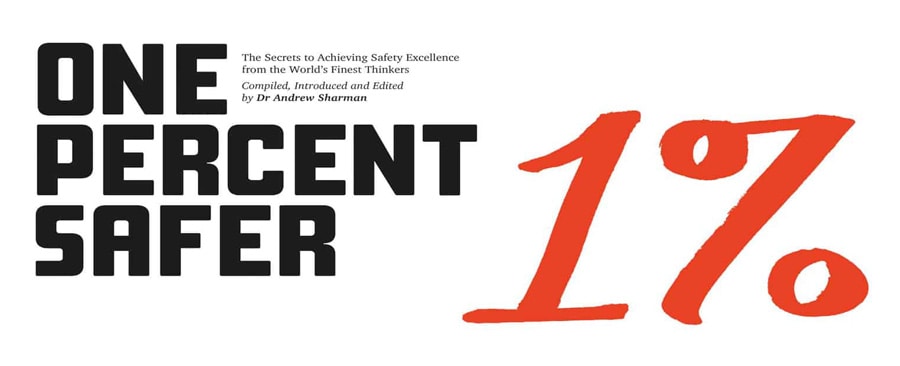
This blog should be an indication that brevity does not come naturally to an occupational health and safety (OHS) professional. (Imagine the struggle of an OHS academic!!) Dr Andrew Sharman asked 137 OHS thinkers to provide a 500-word chapter each, essentially a page, about workplace health and safety. His new (very limited edition) book, “One Percent Safer“, includes text, cartoons, single paragraph quotes, graphics but most of all some much-needed wisdom. Not as much as one would have hoped, if you have been involved with OHS for a few years, but plenty for the newbie or, hopefully, a lot for the businessperson who struggles with this “safety stuff”.

Subscribe to SafetyAtWorkBlog to continue reading.
Subscribe Help
Already a member? Log in here

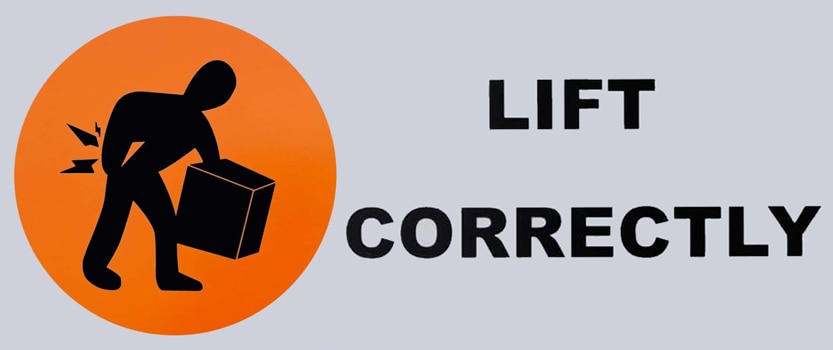
The myth of “correct lifting technique” persists

In 2017 Work Health and Safety Queensland (WHSQ) released this advice about reducing the physical risks associated with manual handling:

“The research evidence shows that providing lifting technique training is not effective in minimising the risk of injury from manual tasks.”

So why is “correct lifting technique” still being included in safety procedures and Safe Work Method Statements (SWMS) three years later?

Subscribe to SafetyAtWorkBlog to continue reading.
Subscribe Help
Already a member? Log in here
Concatenate Web Development
© Designed and developed by Concatenate Aust Pty Ltd