

Everyone has struggled through the COVID-19 pandemic. Many have died. We have to continue to make many allowances for businesses and people due to the disruption, but some are using the pandemic as an excuse for not doing something. Occupational health and safety (OHS) inactivity is being blamed on COVID-19 in some instances, masking or skewing people’s approach to workplace health and safety more generally.
Continue reading “Over-emphasising the COVID pandemic”Category: risk
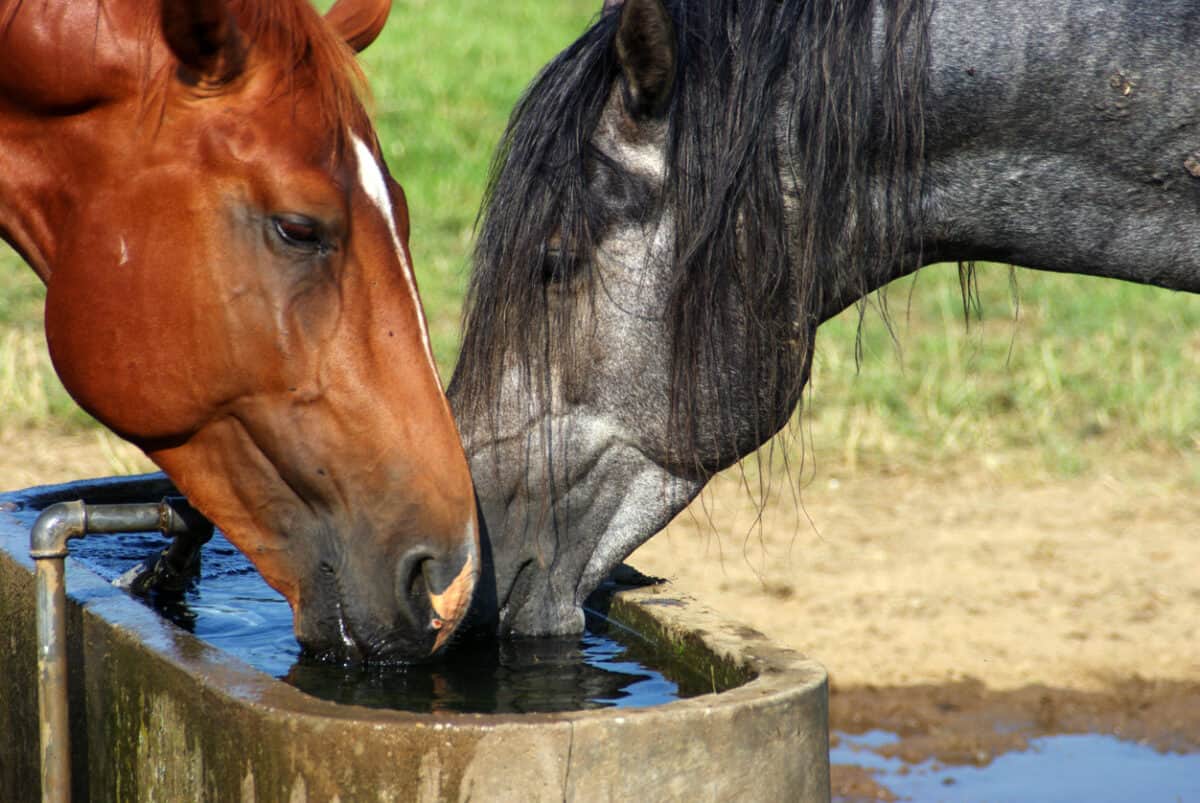
You can lead an opera company to water, but you can’t guarantee it will drink
Recently accusations of bullying have been made by members of Opera Australia. The details are reported in Limelight, but the newspaper article by Nathaneal Cooper is more illustrative of the general workplace mental health challenges of those in the performing arts. Performers are one of the most visible and fragile sectors of insecure and precarious work. Solutions to hazards and clues to strategic improvements might be more evident and practical if the bullying was assessed through the prism (and legislative obligations) of occupational health and safety (OHS) and insecure work.
“can’t afford” means “don’t want to”
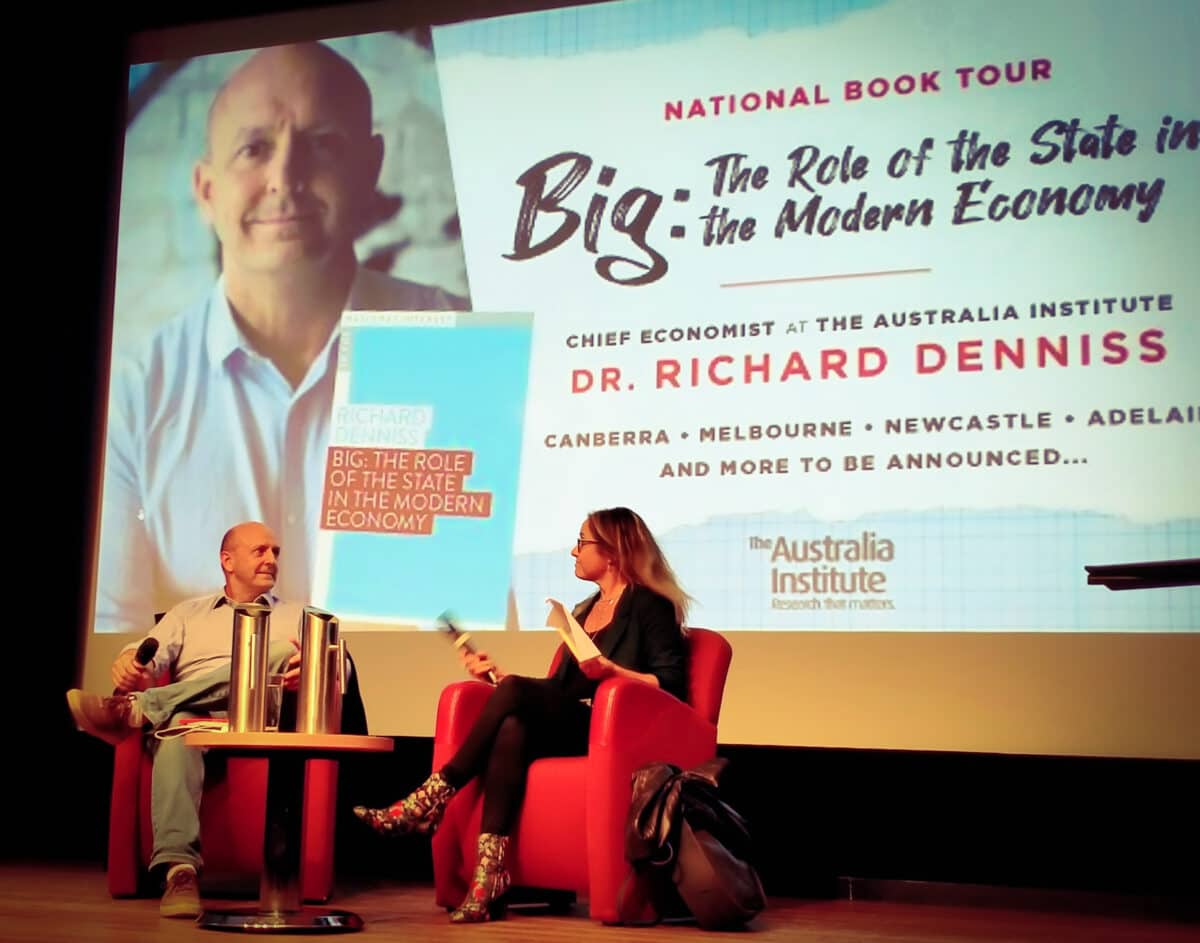
Richard Denniss, an economist with The Australia Institute, discusses economics differently from other economists. He will seldom discuss occupational health and safety (OHS). He rarely talks about industrial relations. Instead, he talks about the big picture by drawing on many sources and disciplines, which is why he is so interesting to listen to.
This week he was on a national book tour for his latest publication on the role of the State in the modern economy and some of his opinions connected with the management of workplace health and safety.

Farm safety is unique, not
Australian farmers feel they work in a unique safety culture into which work health and safety laws have intruded. This intrusion by government and bureaucrats will persist regardless of the number of work-related incidents that happen to farmers, workers and relatives and the children of farmers.
All farmers and parents advise their workers and relatives to be safe, but this applies a broader range of safety to what is considered in cities and other industries. As far as is reasonably practicable (ASFAIRP) takes up a bigger, greyer range of safety on farms.
This uniqueness and occupational health and safety (OHS) perspective were on display in a recent farm safety article in The Weekly Times, a major Australian agricultural newspaper. The article “Farm Safety Focus Urged to Avoid Tragic Consequences”*, looked at two scenarios. One involved a childhood horse racing injury and a later adult motorcycle traffic collision (Dave Lovick); the other was an adult work-related quadbike incident (Kat Gration).

Industrial Manslaughter, psychologically safe workplaces and insecure work – just another day in the Senate
Australia has entered a federal election campaign, but the mechanics of the Australian parliament continued, and various occupational health and safety (OHS) comments were voiced in Senate Estimates. These comments touched on Industrial Manslaughter, regulations on psychologically safe workplaces and insecure work.
Should heartlessness be the status quo?
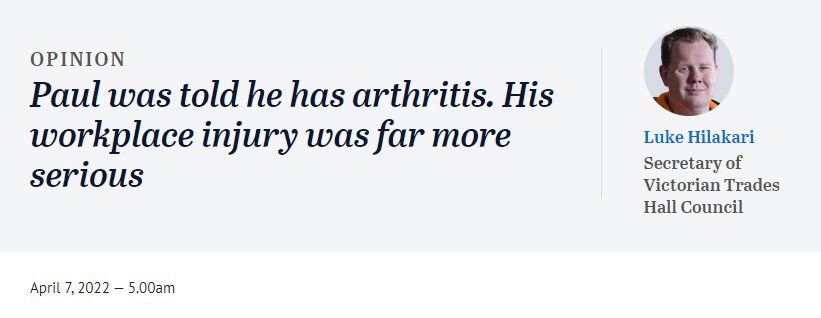
On April 7, 2022, prominent trade unionist Luke Hilakari had an opinion piece published in The Age newspaper titled “Paul was told he has arthritis. His workplace injury was far more serious”. Hilakari told a story, familiar to many, of one man’s journey from workplace injury to impecunious hardship.
The story is tough to read and full of injustices, but the political point of the article is lost. The Victorian Government has been provided with a report that could reduce the bureaucratic and surveillance challenges faced by Paul, but the system itself will not change.

Nobody hates ‘”reasonably practicable” – we tolerate it
Do unions want employers to hold an absolute duty of care for work health and safety? Do unions hate the concept “as far as is reasonably practicable”?
The last Australian jurisdiction to hold employers to an absolute duty of care was New South Wales. That position was eroded by the harmonisation process and NSW OHS laws moving to the Work Health and Safety regime. An absolute duty of care, in the SafetyAtWorkBlog dictionary, is that the employer is responsible for any injuries occurring at work.