Instead of throwing stones, build a stronger house

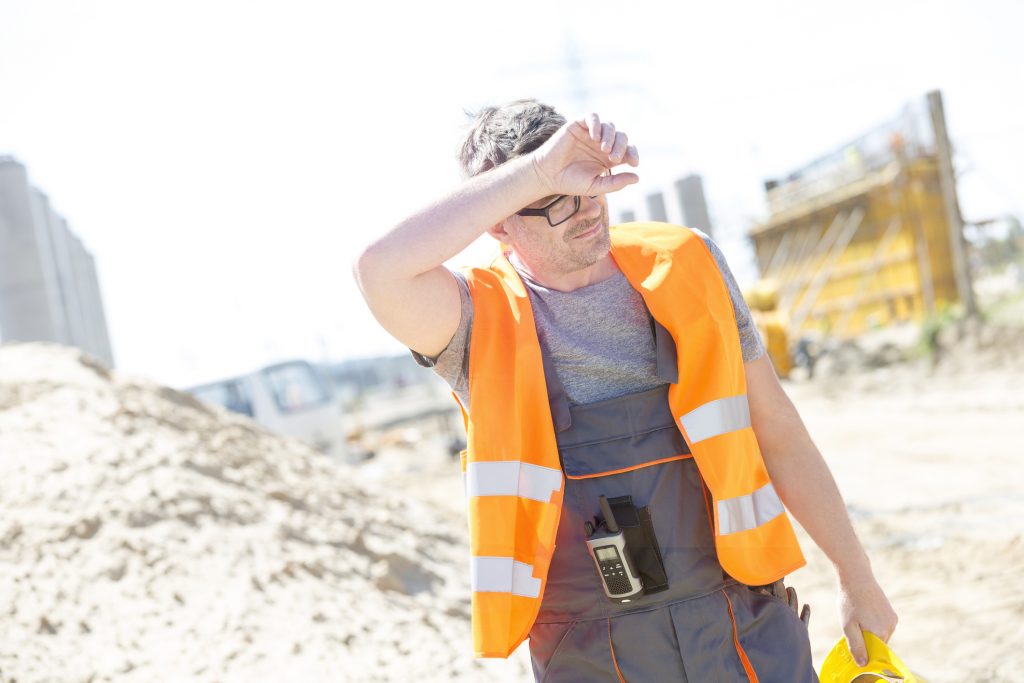
Stock photo of hot worker who, yes, should also be wearing long sleeves and a hat.

On 19 December 2019, the Australian Council of Trade Unions (ACTU) issued a confusing and, ostensibly, three-paragraph media release about working in heat, a hazard that has been regularly analysed by SafetyAtWorkBlog. It states:

“OHS laws which are designed to keep workers safe at work need to be updated to deal with the reality of climate change, which will mean hotter days and more bushfires, resulting in conditions which are hazardous to workers, especially those who work outside.”

Paragraph 1 – update the occupational health and safety (OHS) laws. Paragraph 3 – new regulations needed:

“… we call on the Morrison Government to act urgently to implement new regulations to protect workers from these hazards.”

So which is it – enforce the old or create new?

Continue reading “Instead of throwing stones, build a stronger house”

Alright stop, collaborate and listen

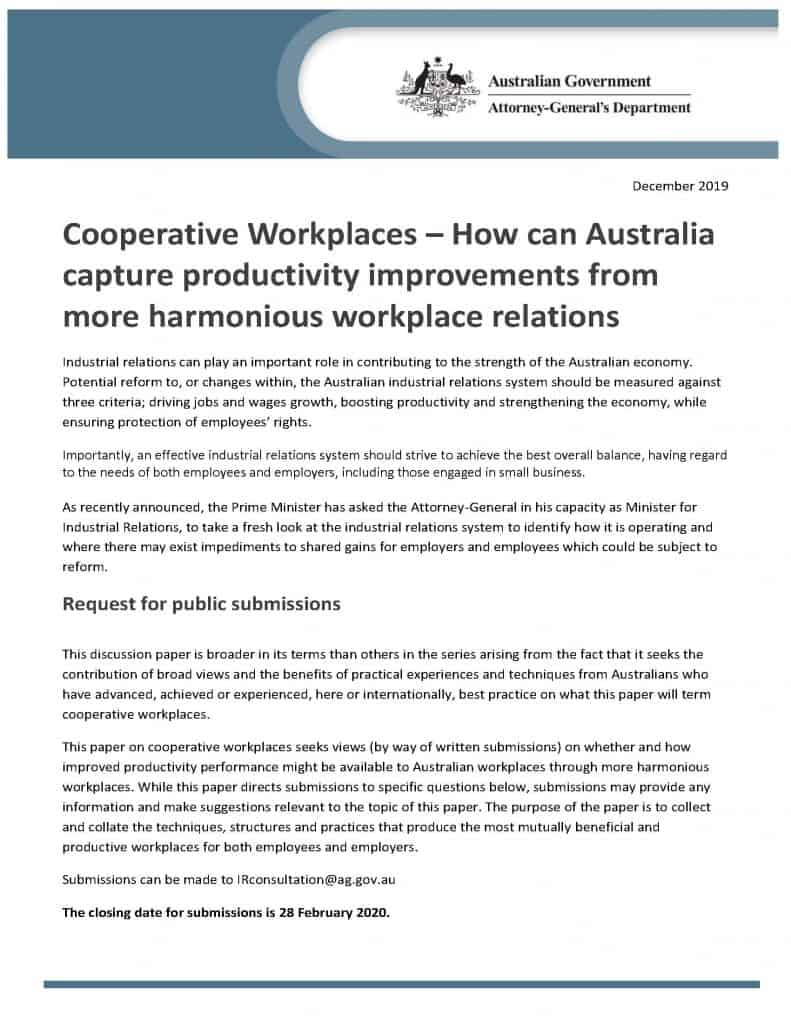
On 2 December 2019, Australia’s Attorney-General, Christian Porter released a discussion paper about workplace relations in the hope of sparking contributions on how cooperative workplaces can create productivity improvements. Any discussion paper on productivity and workplace from the current conservative government is loaded with neoliberal ideology but one of the questions posed is:

“What has been the experience with techniques and practices to foster cooperative workplaces including…. Collaborative development of Health and Safety policies.”

It is not unreasonable for this to be seen as an opening for a broad discussion about the concept of Consultation included in Australia’s workplace health and safety laws, as the improvement of health and safety requires collaboration, trust respect and other elements in the discussion paper. The parallels between Collaboration and Consultation were on show at the Australian Labor Party’s national conference twelve months ago.

Subscribe to SafetyAtWorkBlog to continue reading.
Subscribe Help
Already a member? Log in here

Innovation rather than complaints needed on safety

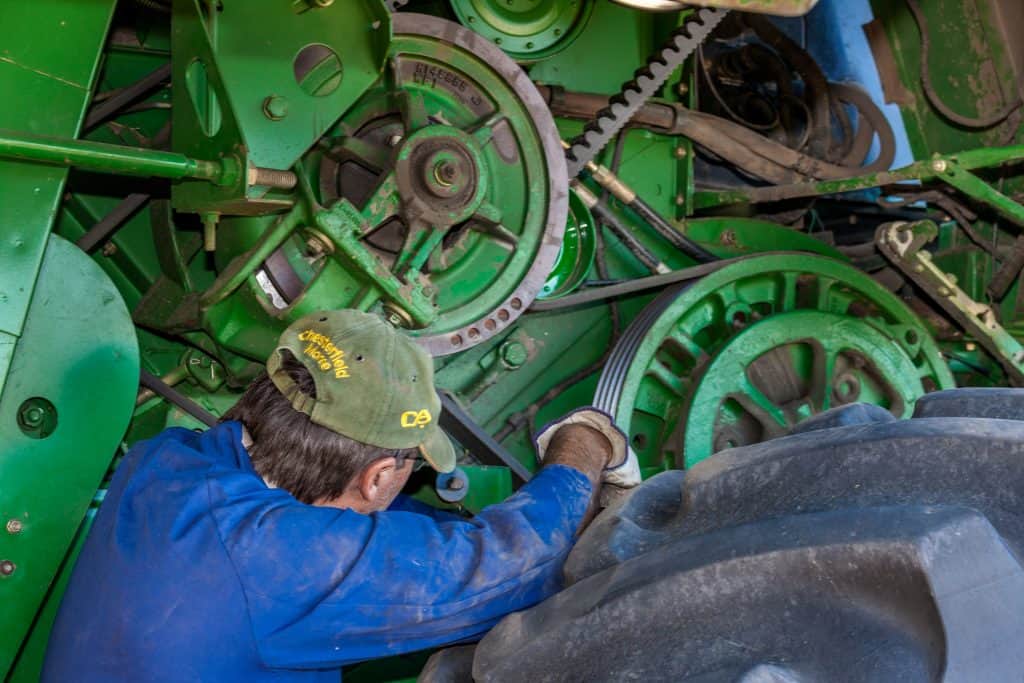
Moree, Australia – November 25, 2010: A farmer performs a maintenance routine on his John Deere combine harvester in Moree a major agricultural area in New South Wales, Australia.

The Victorian “Labor” Government has submitted its Workplace Manslaughter legislation to its Parliament. Debate is likely to begin, in earnest, from November 12, 2019. There were several surprises on which various business associations have expressed concerns, one surprise was that businesses seem to have been ignored by the government.

In many ways, the challenges are less about the legislation than what those business associations plan to do about occupational health and safety themselves.

Subscribe to SafetyAtWorkBlog to continue reading.
Subscribe Help
Already a member? Log in here

Annual Reports are not as transparent on OHS performance as they could be

Around four or five years ago, occupational health and safety (OHS) reporting in Corporate Annual Reports was a hot topic as Australian research had indicated that Annual Reports were not revealing sufficient, or useful, OHS data. Also awards were being presented for the best OHS reporting in Annual Reports. SafetyAtWorkBlog has looked at a sample of the reports released by the Victorian Government over the last fortnight to see what OHS information is available.

Two major keywords were used to search the Annual Reports – “Safe” and “Well”. These words form the stemS of other search terms such as “safety” and “wellbeing” or “wellness”. Each of the word responses were looked at for a focus on workplace or work-related activity. Although public safety may have an increasing OHS context, public safety, and a range of other “safeties”, were not included.

Some Annual Reports were okay, others? Egh! But what is clear is that there is no excuse.

Subscribe to SafetyAtWorkBlog to continue reading.
Subscribe Help
Already a member? Log in here

Consumer Product Safety System review should be on the OHS radar

Following on from the product safety theme in yesterday’s article, it is noted that the Australian Treasury has opened a consultation phase on improving the effectiveness of the Consumer Product Safety System. The report makes specific reference to workplace health and safety laws.

This consultation is a direct result of the recent review of Australian Consumer Law:

“The Australian Consumer Law Review final report recommended the introduction of a General Safety Provision (GSP) into the Australian Consumer Law (ACL) requiring traders to take reasonable steps to ensure the safety of a product before selling it onto the market.”

page 7

The GSP has similarities to the duties of the PCBU (person conducting a business or undertaking) under the model Work Health and Safety (WHS) laws.

Subscribe to SafetyAtWorkBlog to continue reading.
Subscribe Help
Already a member? Log in here

One safety quandary solved by Consumer Law. What others are possible?

Caesarstone original quartz for kitchen, bathroom surfaces, benchtops, splash backs and kitchen Island

Last week the Australian Government accepted the recommendations of the Australian Competition and Consumer Commission (ACCC) about improving the safety of quad bikes. But the improvement in safety came not through occupational health and safety (OHS) laws but the Australian Consumer Law so how could the ACL help improve workplace health and safety further? After a quick look at how the quad bike recommendations have been received, the potential of the ACL is considered in relation to silicosis.

Subscribe to SafetyAtWorkBlog to continue reading.
Subscribe Help
Already a member? Log in here

Arts Wellbeing Collective shows how it’s done

From an occupational health and safety (OHS) perspective, part of the reason that the Arts Wellbeing Collective (AWC) is being so successful and admired is that it originated outside of the traditional OHS and Health funding models. Existing in the performing arts meant the Collective drew firstly on their modern version of patronage by approaching their sponsors.

Recently the CEO of the AWC, Claire Spencer, spoke at the launch of Victoria’s Health and Safety Month and reminded the audience of the dire straits the performance arts were in with relation to mental health. She referenced the research commissioned by Entertainment Assist and conducted by Victoria University

Subscribe to SafetyAtWorkBlog to continue reading.
Subscribe Help
Already a member? Log in here
Concatenate Web Development
© Designed and developed by Concatenate Aust Pty Ltd