

Recently, I bemoaned the lack of evidence on the occupational health and safety (OHS) benefits of a four-day work week. A reader pointed me to the research of sociologist Wen Fan. The most accessible way to her research is through an episode of the “Psych Health and Safety Podcast” from September 2025.
Category: sociology

The 1970s Never Ended for Some Employers
For the last few years in Australia, occupational health and safety (OHS) laws have required that the prevention of psychosocial hazards be given the same prominence as the prevention of physical hazards. The most effective recommendation for change is the redesign of work, but very few employers seem to be applying this control. Many employers are still asking (their Human Resources officer) what this psychosocial stuff is all about.
Examining organisational culture at one Australian institution that failed to prevent and may have generated psychological harm in the 1970s provides some context for contemporary OHS struggles.

The Socialisation of Work Health and Safety
We like to pretend OHS begins with a regulation or a checklist, but the truth is far less glamorous: it starts with the basic childhood lesson of “don’t hurt people.” Everything else is just the paperwork society builds around that idea. Part of that “paperwork” is the process of socialisation.
There are several definitions of socialisation:
- learning how to live in a way acceptable to one’s own society,
- interacting with others, of being social, and
- implementing socialism.
Occupational health and safety (OHS) is part of all three (the third is more debatable). Socialisation is often seen as a personal experience, but in most instances, socialisation is imposed on us.
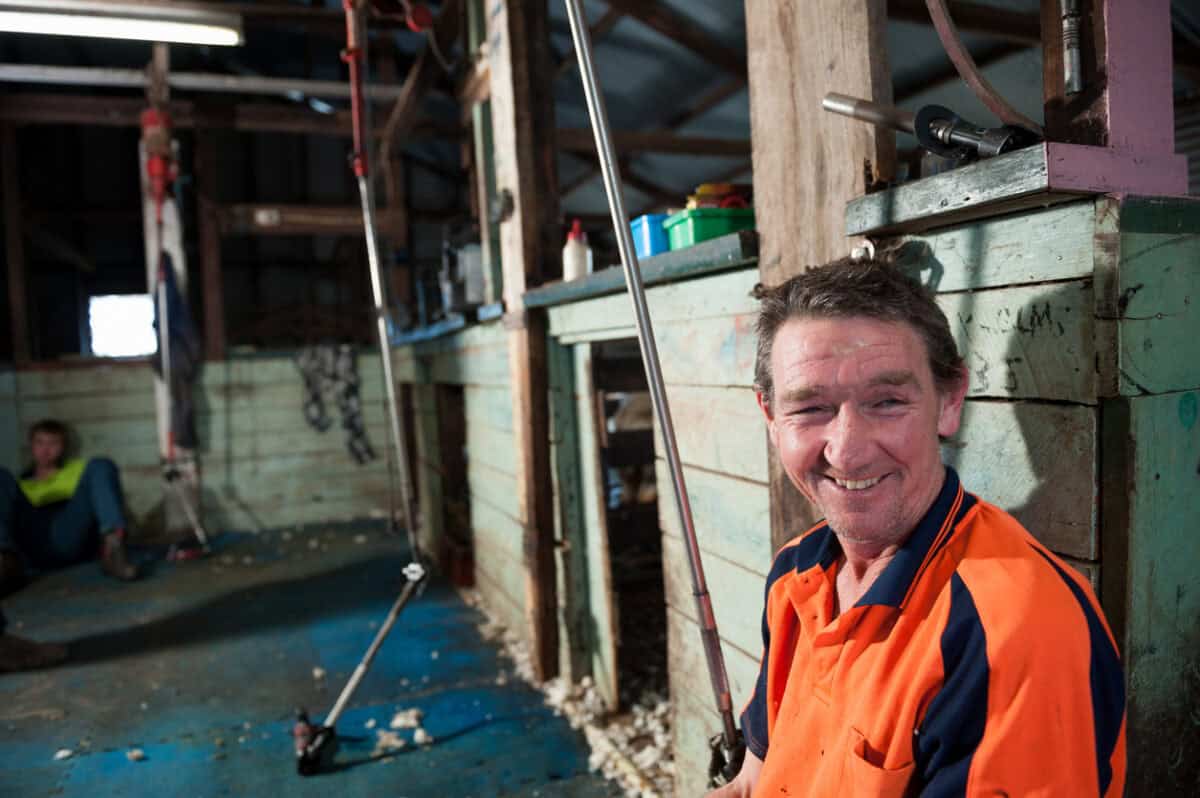
Revisiting the Human Condition of Work: Why Dignity Still Sits at the Centre of Safety
Discussions about “the human condition” rarely make it into board papers or safety strategies, yet they sit underneath almost every modern workplace challenge. Whether we’re talking about psychosocial hazards, insecure work, presenteeism, or the slow cultural erosion that comes from constant restructuring, the through‑line is unmistakable: work is a profoundly human activity, and when we forget that, harm follows.
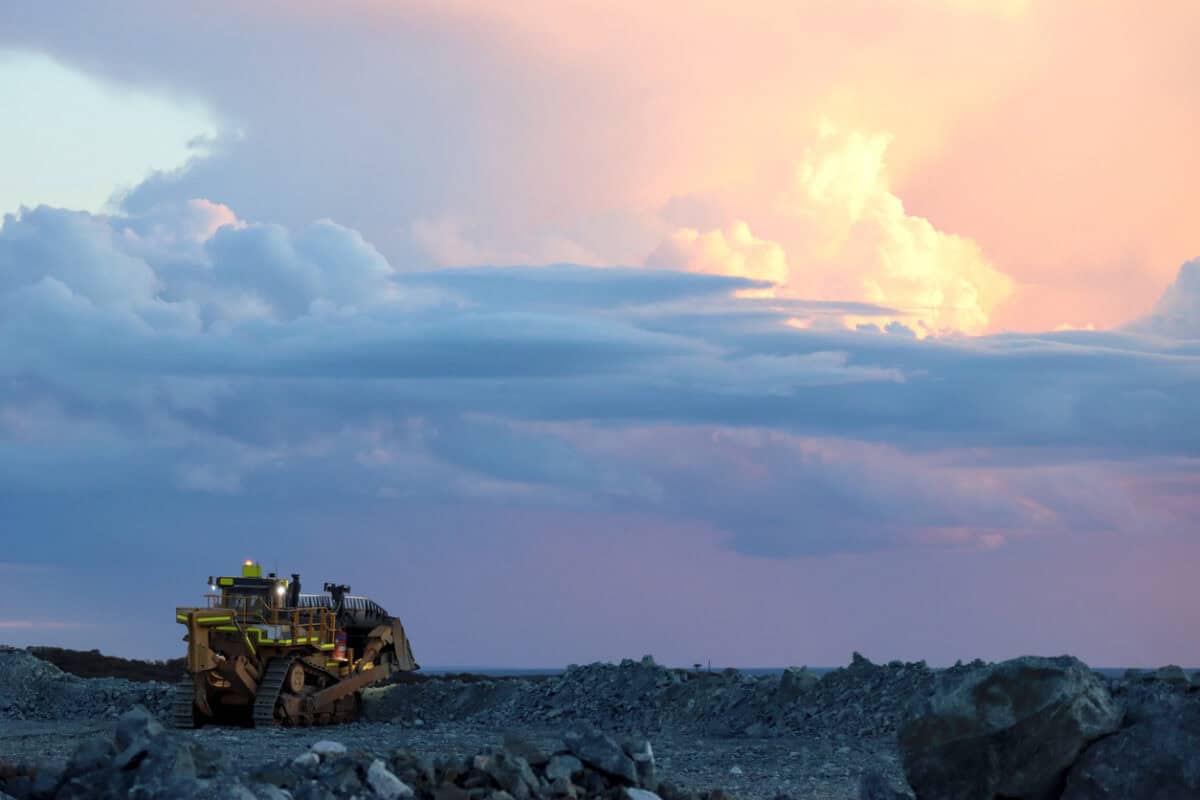
Travelling Through Australia’s Beautiful and Broken Mining Country
Lindsay Fitzclarence‘s travelogue “The Dirty Life of Mining in Australia” is a thought-provoking work that combines social, economic, industrial, indigenous, and environmental perspectives into a journey across Australia. Occupational health and safety (OHS) is one theme, but it is part of many, and the book is better for it.
Continue reading “Travelling Through Australia’s Beautiful and Broken Mining Country”
Workism: Australia’s Most Socially Acceptable Form of Self‑Harm
Safe Work Australia states that :
“A psychosocial hazard is anything that could cause psychological harm (e.g. harm someone’s mental health).”
Preventing these hazards is most effective and sustainable through redesigning work, but this approach should not deny that personal decisions can also be hazardous. In the broader social and occupational contexts, it is worth considering workism as a psychosocial hazard.

When Work Kills and No One Counts the Dead
An open letter about workplace suicides was published to support World Mental Health Day in 2024. The research work of some of the signatories has continued and appeared in a 2026 editorial in Volume 46 of “Crisis – The Journal of Crisis Intervention and Suicide Prevention“, calling for action.
[This article, unavoidably, discusses suicide]