
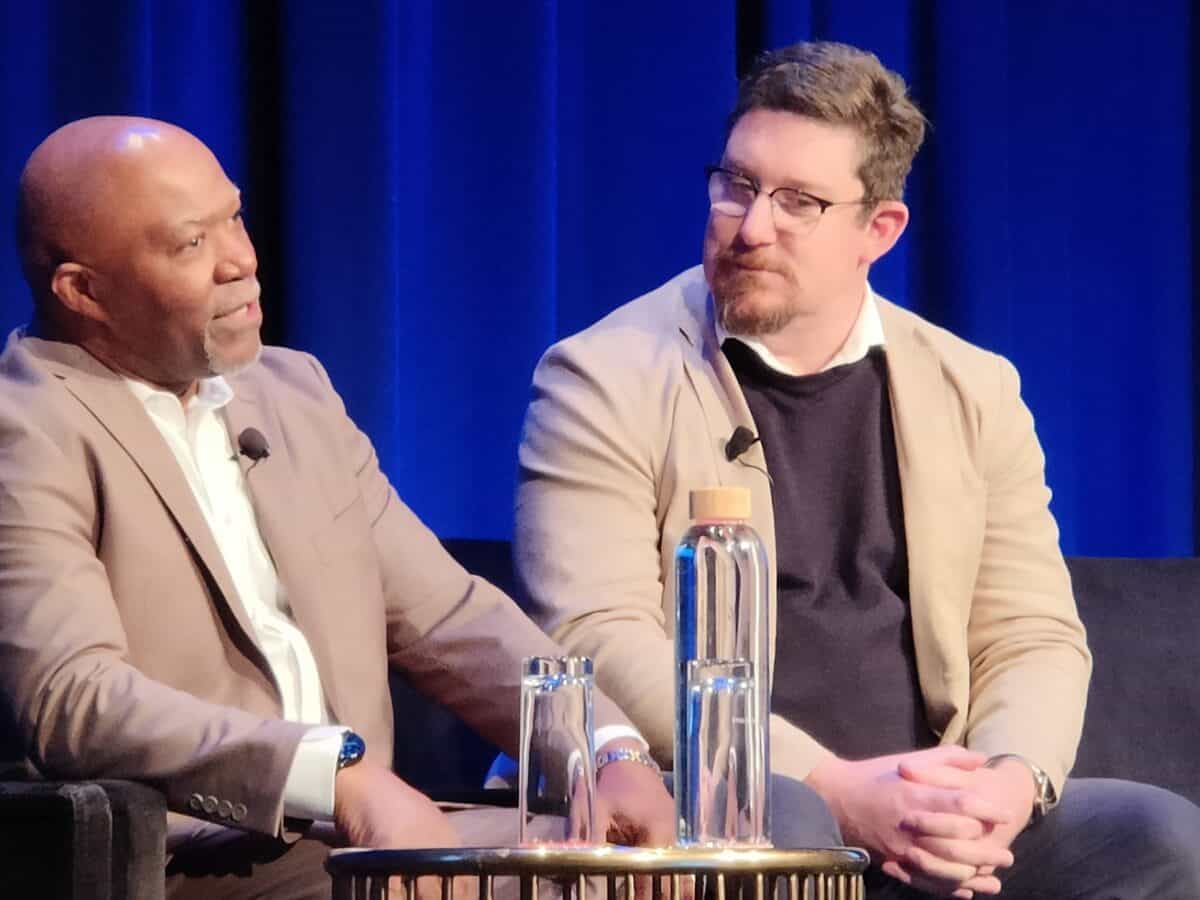
Many conference delegates spoke highly of international speaker I David Daniels at the recent Psych Health and Safety conference. Daniels has a long occupational health and safety (OHS) career and hosts the United States version of the Psych Health and Safety podcast. His OHS perspectives, including his discussions about race, were significant.
Continue reading “I David Daniels’ US perspective on psychosocial risks at work”Category: stress

The Occupational Moral Injury Scale
Many people are promoting various tools, usually apps, for identifying and managing psychosocial hazards at work. Some experts in the field of organisational psychology are cool on these tools, others are dismissive of poorly designed tools promoted by rent-seekers, others promote free tools, and some say that all the information required is already available if you ask for it and if the keepers of the data will share.
A broad perspective on Work, OHS and Mental Health
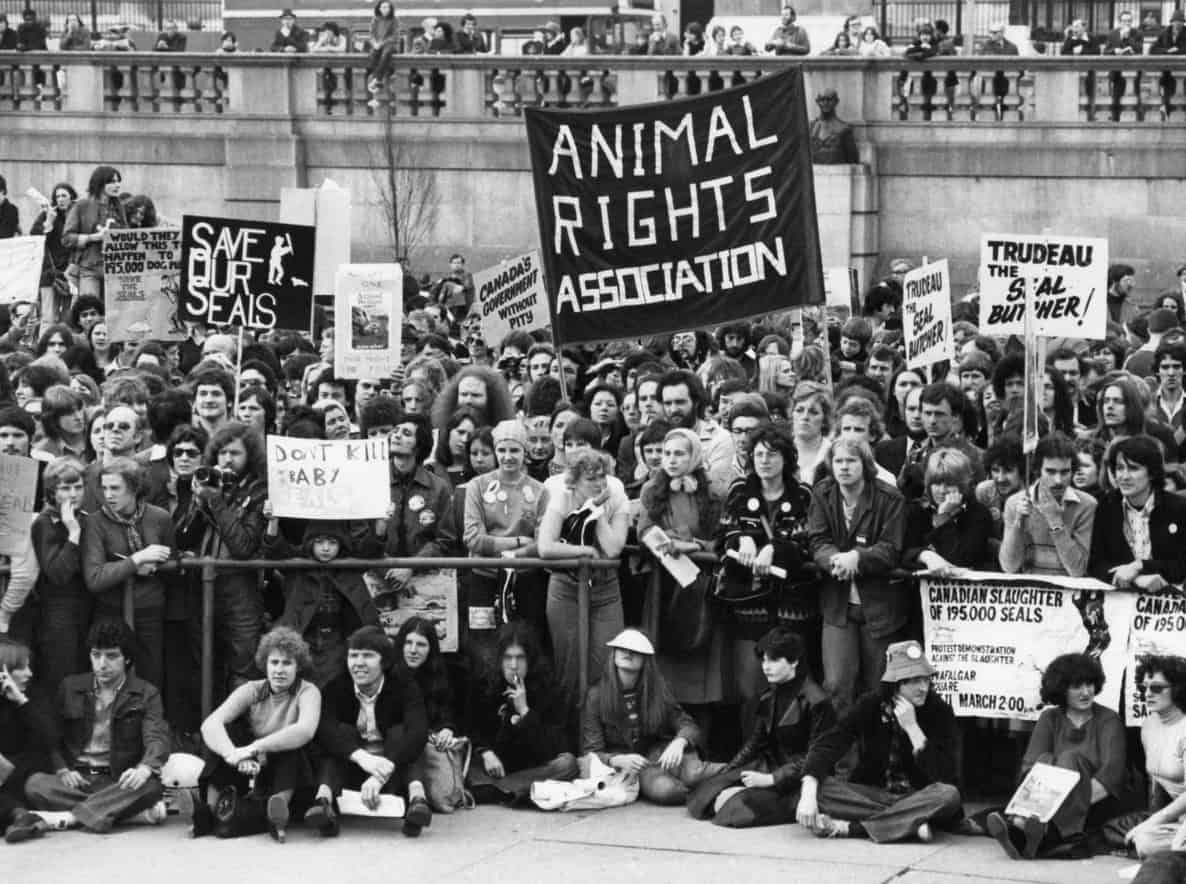
A whole generation of workers has grown up believing that if they are having a hard time at work, if they are not coping with the workload or the sexual advances of their boss, or their difficult workplace, or the discrimination they feel about their gender or their sexuality, that it’s their fault, and it’s their problem, and therefore, it’s their role to solve and fix it. But there were generations before the current one, and I’m from one of those earlier generations. When I started work, there was good work and safe jobs, and there were social movements for women’s rights, and then gay rights and dignity at work, and respect at work. It was far from a paradise, but there was exciting progress and lively, challenging debates and social protests. A little of that passion has returned this decade, but more is needed.
The psychosocial message may be getting through
Recent Australian insurer Allianz released survey data that revealed:
“….half of surveyed Australian employees claim they feel fatigued and burnt out”.
This report generated a recent article (paywalled) in the Australian Financial Review (AFR), which included some important comments from Dr Rebecca Michalak. Her comments are an important introduction to a week that includes SafetyAtWorkBlog’s exclusive reporting on The Psych Health & Safety Conference.

A mental health book for leaders and HR professionals
Australian lawyer Fay Calderone has published a book called “Broken to Safe – Tackling Toxic Workplace Cultures and Burnout”. The intended readership seems to be “leaders” and Human Resource (HR) professionals. Occupational health and safety (OHS) is mentioned occasionally, but OHS professionals will find much to frustrate them about this self-published book.
Different OHS messages to different audiences
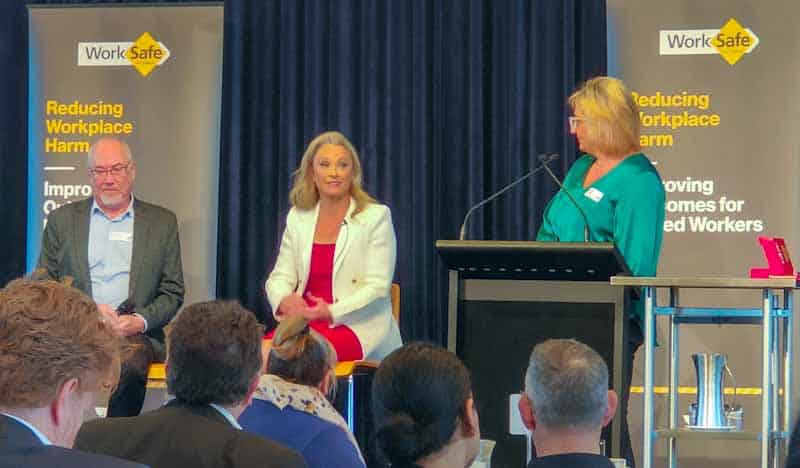
Last week, WorkSafe Victoria held its annual Business Leaders’ Breakfast. The keynote speaker was Karen Maher, who spoke about the need for an effective and respectful workplace culture that would foster a healthy psychosocial environment. Her presentation would have been familiar to many of the occupational health and safety (OHS) and WorkSafe personnel in the audience, but it may have been revolutionary for any business leaders. Maher outlined the need for change but not necessarily how to change or the barriers to change.
The event did provide a useful Q&A session and afforded the new WorkSafe Victoria CEO, Joe Calafiore, his second public speaking event in a week.

New data on workplace suicides should change the mental health at work discussion
“No one should die at work” is a common statement at Worker Memorial Services every year. Occupational health and safety (OHS), in particular, uses death as a starting point for reflection and sometimes action. Workplace death is a recognised worst-case scenario and has long been established as a benchmark for measuring OHS progress.
[This article discusses workplace suicides]
There is increased interest in psychosocial hazards at work with the worthy goal of preventing these hazards. However, psychosocial deaths such as those by suicide do not hold the same place or role as “traditional” physical workplace deaths. They are rarely the launching pad for drastic change in our systems of business, but that is starting to change if new data and analysis are any indication.