
Over the last few months, various seminars from law firms and others have focussed on how to comply with new and impending occupational health and safety regulations related to psychosocial hazards at work. Over the last fortnight, I attended two such seminars; they were as different as chalk and cheese, even though both had strong voices from lawyers, illustrating the sources of some of the confusion over the issue felt by some employers.
Category: stress
When an increase of 0.5 percentage points is described as an outrageous 43% increase
This week the Victorian Government flagged changes to the workers’ compensation premiums and eligibility. This has generated outrage from business lobby groups and the trade unions, and as he is being criticised by both political extremes, Premier Dan Andrews believes his decision, i.e. being hated by everyone, is a winner.
The Age newspaper was one of the first to report (paywalled) on the announcement of these changes on May 19, 2023. Significantly it included a quote from Dr Mary Wyatt on the economic and social importance of injury prevention. Hers has been one of the few mentions of the role of good occupational health and safety (OHS) management.
Tip-Off Line
Remember, if you have some OHS information that you want SafetyAtWorkBlog to investigate or that would be of interest to SafetyAtWorkBlog readers, please contact us on the anonymous-if-you-want tip-off line
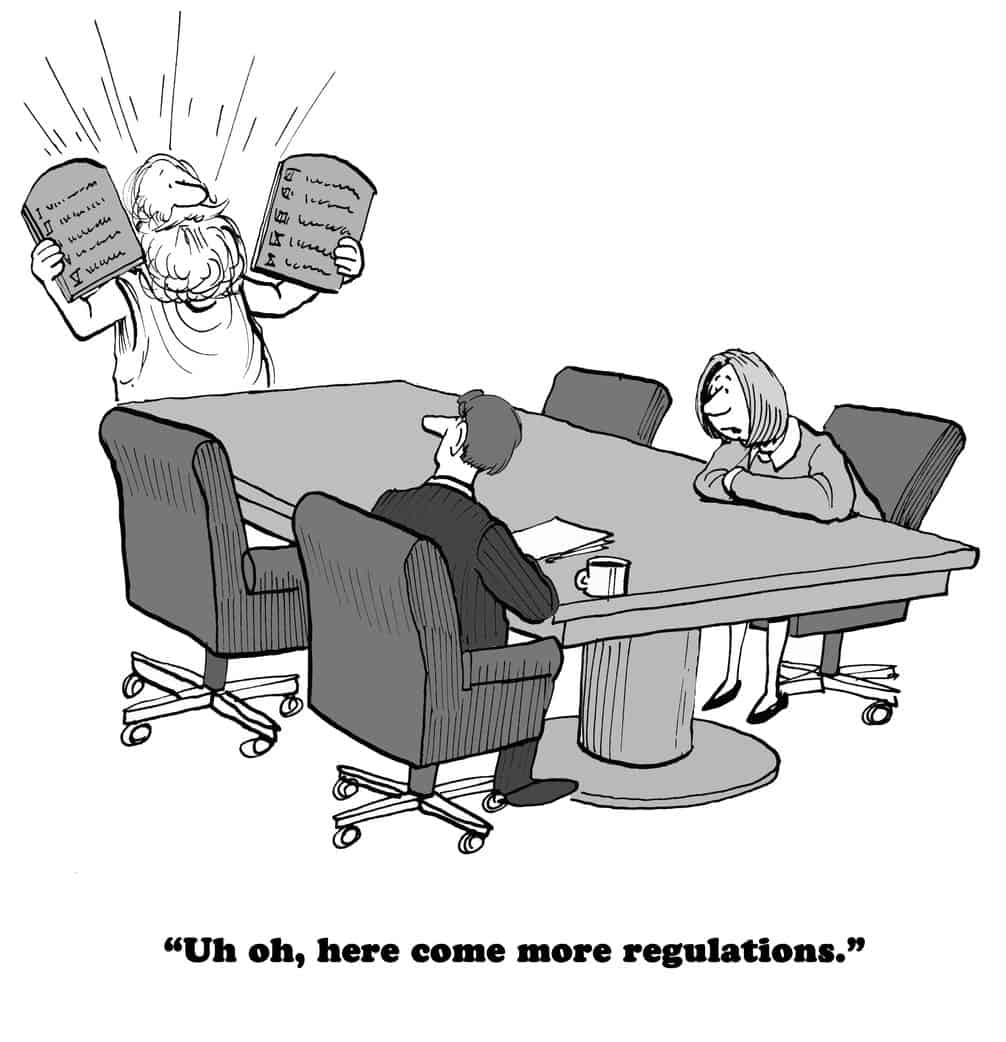
Now “we need a systemic reform to the mental health system”. We always did
[This article discusses suicide.]
The tide seems to be turning in approaches to the prevention of suicides in Australia. Recently the CEO of Suicide Prevention Australia, Nieves Murray, concluded a radio interview with some advice that relates directly to workplace suicides.

A new unicorn – the creation of a work health and safety myth
Occupational health and safety (OHS) has many myths, as do many other business disciplines. This is particularly concerning in a discipline that advocates evidence-based decision-making and pushes for peer-reviewed independent research. Sometimes these myths relate to using gym balls as office chairs or back belts or “safe lifting techniques” to reduce manual handling risks or, and this is one of my own suspicions, ankle-high safety boots that reduce the risk of ankle injuries. There are also mixed messages about sit-stand desks. (Counterarguments welcome in the comments below)
The United States seems to be in the early stages of an urban myth about police overdosing after accidental exposure to fentanyl, although this has been cooking since at least 2021. The nature of social media and the internet suggests that sometime soon, this accusation or experience will appear in Australia. Various US–based media have looked at this occupational hazard, with the latest being National Public Radio (NPR) on May 16, 2023.
Continue reading “A new unicorn – the creation of a work health and safety myth”
OHS and the weekend newspapers – 1
This is the first of, hopefully, many articles about what some of the weekend newspapers and media say about issues related to occupy national health and safety (OHS). It will not be comprehensive but short takes on what I see in the newspapers.
[Note, the article below mentions suicide and workplace bullying]
Workload and Suicide
It has been a year since an employee of the Victorian Building Authority, Rob Karkut, died by suicide. According to The Age (May 13, 2023, [paywalled] his suicide occurred:
“…amid intense pressure from the authority’s managers to meet ambitious inspection targets. A litany of failings within the organisation have been exposed since his death.”
A management book that offers clarity and confidence
One of the most common complaints of newly graduated workers has been that although the university has provided a lot of knowledge, the courses are short on practical management skills. Occupational health and safety (OHS) is no different. One may learn about the social determinants of health but may have poor skills in managing or interacting with workers and colleagues.
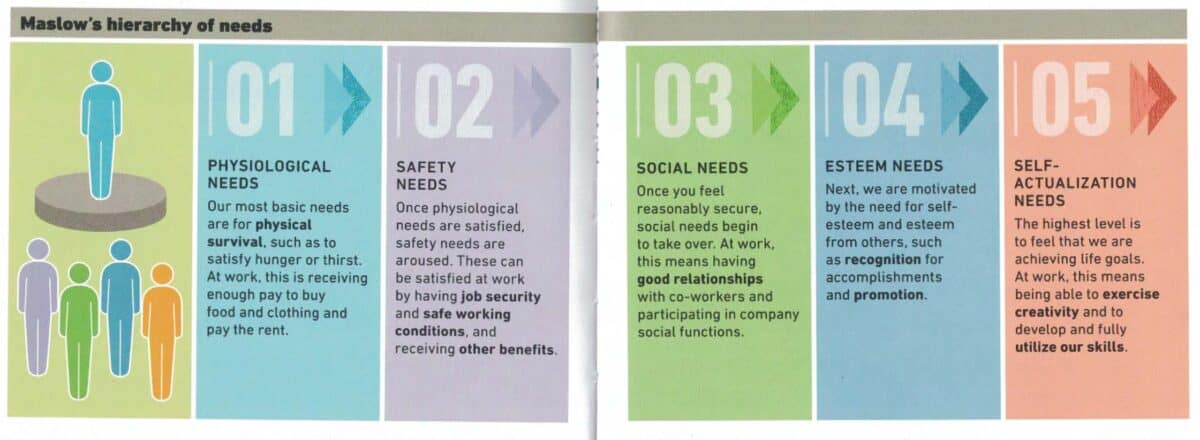
Many try to fill this knowledge gap by reading various management and leadership books. Many choose books from leading business schools like Harvard, but these books are often incompatible with the legislative and cultural requirements of Australia or other local jurisdictions. Sometimes it is time to read a book on the basic concepts, like the Essential Managers Management Handbook, published by Dorling Kindersley in 2022.

Mental health at work – “plus ça change, plus c’est la même chose”
Psychological health in the workplace seems to be a recent phenomenon because various Australian jurisdictions are strengthening prevention and management strategies through legislative amendments. This is supported by the World Health Organization’s definition of burnout as an occupational phenomenon. But psychological or psychosocial health and safety at work was a concern last century. In fact, The Australian Psychological Society conducted the First National Conference on Occupational Stress in June 1994, and the book, edited by the late Dr Peter Cotton, based on the papers and presentations from the conference, remains remarkably topical and absent of the well-being language and spin that we have been exposed to since.