
Advisory books about how to manage Burnout continue to be published. Another one that, due to the format and publisher, could be influential is Burnout for Dummies by Eva Selhub. Sadly, Selhub consciously downplays the occupational health and safety (OHS) role in preventing Burnout. Her choice sidelines OHS, the organisational context and the employer’s duty of care, but that seems typical for Burnout authors from the United States.
Category: stress

Is psychosocial harm always preventable?
Occupational health and safety (OHS) in healthcare is a unique experience. Patient care and patient safety seem to override the OHS duties for healthcare workers. This is understandable given the culture and purpose with which people work; however, it is short-sighted, especially on the issue of mental health at work.
A new book on burnout (yes, another, and there are even more) was published recently on the issue of preventing burnout for healthcare workers, written by John Halbesleben. This 2nd edition has a slightly revised title to reflect the changing emphasis on mental health at work.
Halbesleben writes that the first edition from 2009 tried to convince readers that burnout was an occupational risk. Since then, that fact is now accepted, and not just because of the coronavirus pandemic. He writes:
Trucking inquiries scare the Conservatives
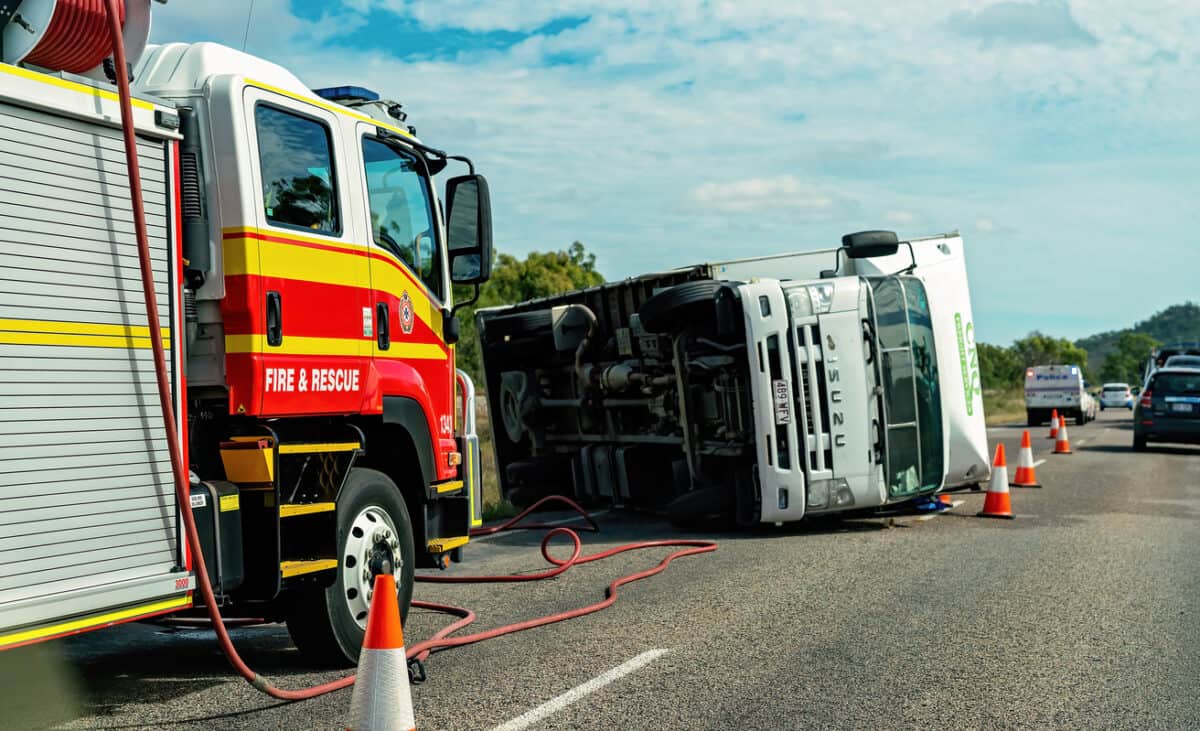
Australia’s newspapers have recently reported on the moves by the Federal Government to review the safety and working conditions of the country’s truck drivers. As expected, The Australian newspaper is painting this as the Government paying back its ideological and financial backers – the trade unions – and the resurrection of the Road Safety Remuneration Tribunal (RSRT), even though the Government denies this will happen.
Occupational health and safety (OHS) sits behind some elements of the debate. As with most things OHS, it will not be a game-changer in a discussion over pay rates and minimum standards, but it is a serious consideration, and deservedly so.

ChatGPT article on psychosocial hazards at work
I am uncertain about using Artificial Intelligence (AI), like ChatGPT, to produce articles related to occupational health and safety (OHS), but thought I better familiarise myself with the process. So, I asked ChatGPT to
“Create a 400-word document discussing psychosocial hazards in the workplace and the most effective methods to prevent them happening.”
Below is the article and a discussion of its deficiencies:
Continue reading “ChatGPT article on psychosocial hazards at work”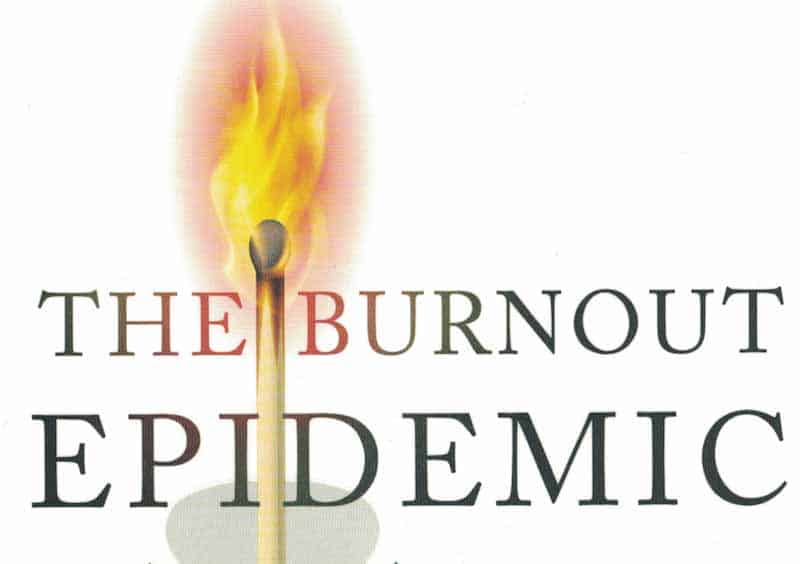
Organisational and self-help advice on burnout
One of the best books about burnout is Jennifer Moss‘ “The Burnout Epidemic“, which this blog wrote about in April last year. A recent book on burnout and self-help caused me to revisit Moss’ book, and one of the chapters that I missed last year seems to explain the popularity of the self-help approach.
Moss writes about the organisational and structural workplace factors that create and perpetuate workplace stress and related poor mental health. However, one of the last chapters is titled “Take Care of Yourself, Too”. Moss writes:
“Self-care won’t fix broken organizational systems, but it’s the part we can control in a world full of the uncontrollable.”
page 213
Mental health book should be influential due to lack of bullshit
Some of the recent guidance on mental health at work from occupational health and safety (OHS) regulators is not scintillating or even engaging. Their purpose is to provide information with the hope it is presented in a workplace by someone super-communicative and influential. (C’mon, really? We’re talking about OHS here.)
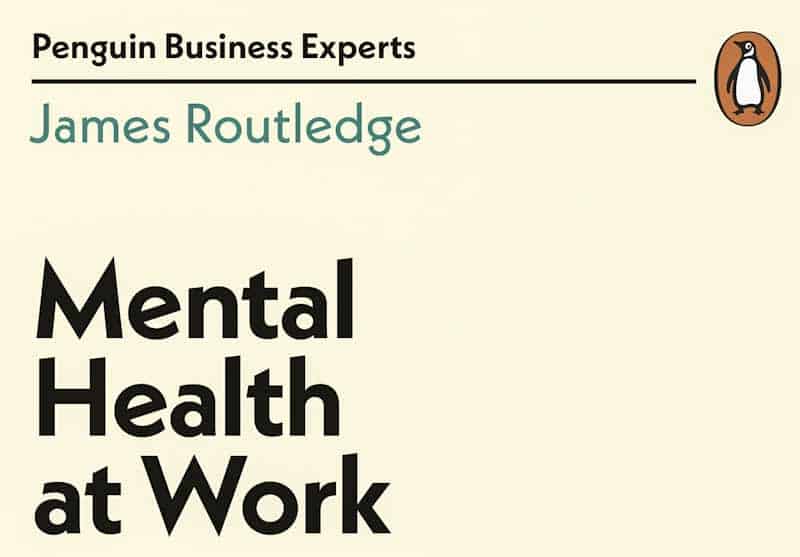
Luckily there is a recent easy-to-read book of fewer than 150 pages that reads like a conversation over a single afternoon with the reader about Mental Health At Work.
Continue reading “Mental health book should be influential due to lack of bullshit”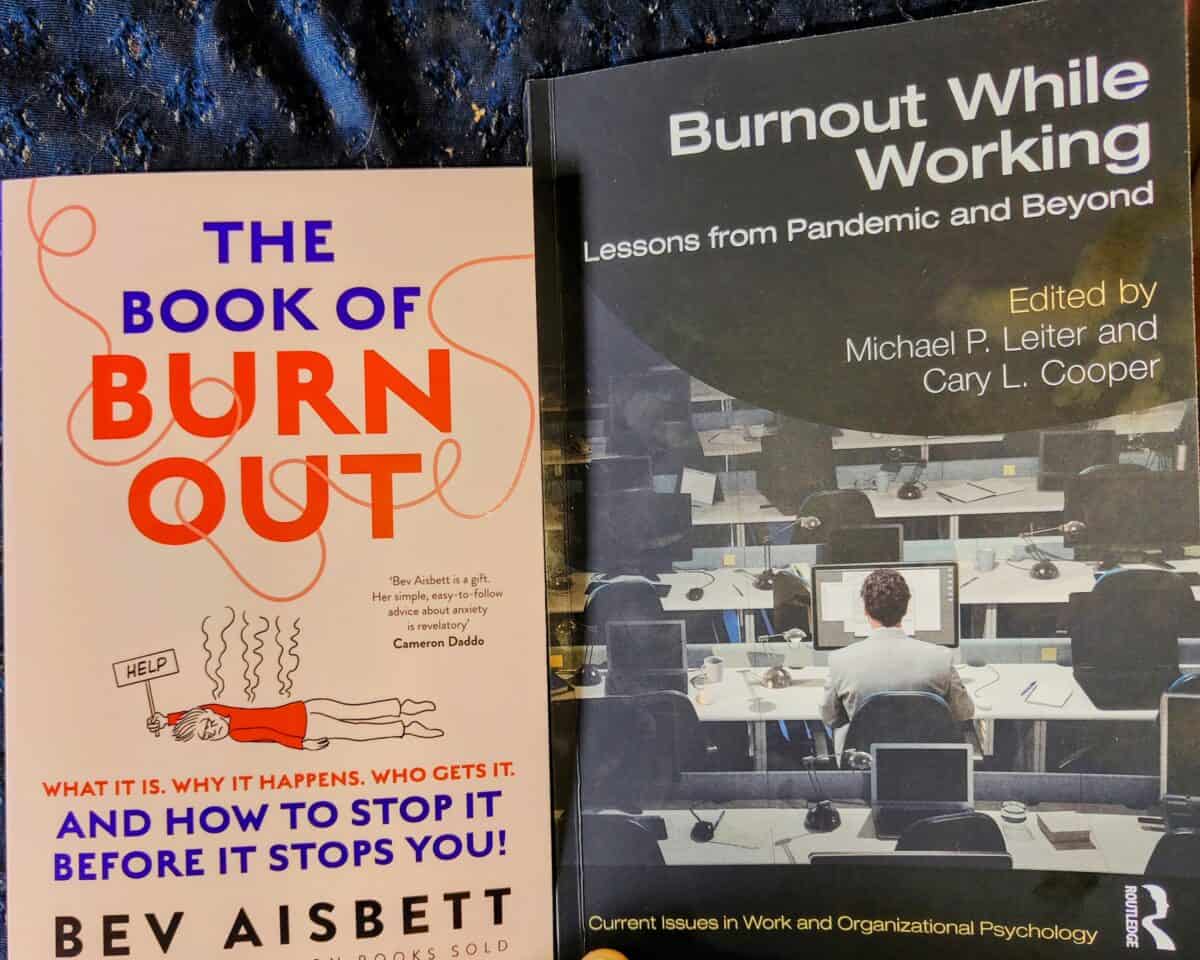
The two extremes of managing burnout
Two new books about burnout arrived on my doorstep this week. They could not be more different. They reflect the mess of approaches to this type of psychosocial injury. Only one provides valid, useful evidence and advice.
Bev Aisbett released a book that I found unreadable – partly because of the advice offered but mostly because of the atrocious formatting where she YELLS almost all the time in the most annoying social media way. Below is a random example.