
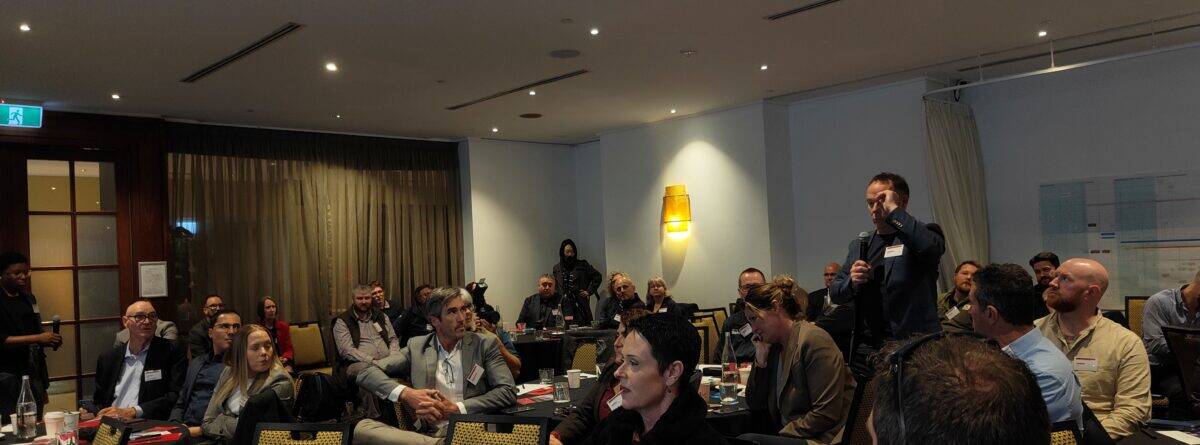
Just over a week ago, RMIT University’s research funding program, SHINe, conducted its inaugural symposium. This symposium was both new and fascinating. It was overbooked with a considerable weight list, I think, because of the international safety research guests, but the fact that an event in Safe Work Month was free might have helped. The research by the Construction Safety Research Alliance (CSRA) for the United States was a highlight.
Category: suicide

Turning the Mental Health Ship in Construction
Mental health in the construction industry is a perennial occupational health and safety (OHS) concern – high levels of suicide, suicide ideation, depression, anxiety, etc, – the usual suspects. Research into this has been robust in Australia, with the work of Professor Helen Lingard and the Construction Industry Culture Taskforce, among others. Recently, I heard about the Wellness in Infrastructure organisation for the first time.
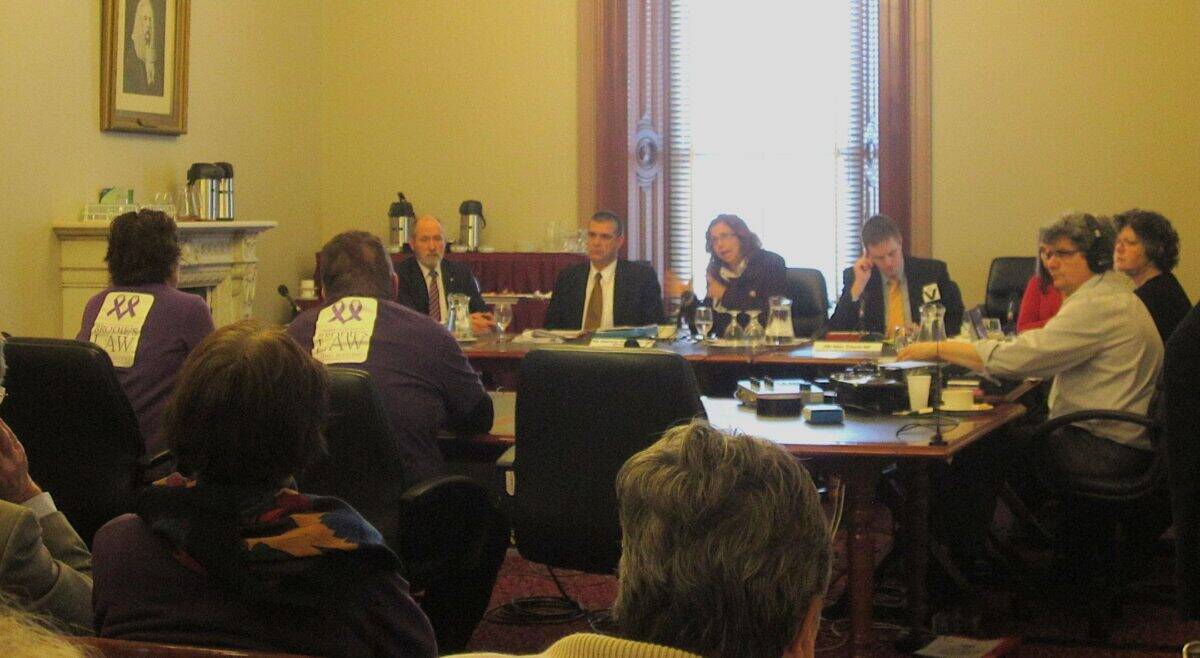
If you think psychosocial hazards are a nonsense, learn about Brodie Panlock
Next year marks the 20th anniversary of the death of Brodie Panlock. I have been thinking of her a lot over the last few months as Victorian employers (finally) start to seriously consider their legislative obligations to provide a mentally safe and healthy work environment. I wonder whether the new psychosocial safety regulations had been in place in 2005-06, Brodie Panlock would have lived.
[Note: This article discusses issues related to suicide.]
Three new audio summaries

Short 5- or 6-minute summaries of SafetyAtWorkBlog articles are available on Apple Podcasts and SoundCloud. The three latest episodes discuss working from home, psychosocial regulations and work-related suicide.
I have tried to stay brief, as we are all busy, and more information, quotes, links, and profiles can be found in the original blog articles.
Please let me know if you find these (clearly) home-produced summaries useful.

Every Worker Deserves A Good Life
Work-related suicide is more insidious in some ways than non-work suicide, as it is institutionally stigmatised to the extent that its reality has been denied. There is an additional level of complexity when an employer is in control of the work, and a strong economic ideology often denies the influence of work factors. The tide is turning, but organisational factors are not receiving the prominence they deserve, and the change remains slow.
New Australian research is playing a crucial role in accelerating this change.
Note: This article discusses issues related to suicide.

Suicidality as a Near Miss: Why Business Must Confront the Systems That Harm
Companies are being urged to increase their attention on the human impacts of incidents. This is a much-needed and delayed focus that existed decades ago but went out of fashion. Companies can achieve these changes after a lot of hard work and expense, but very little attention has been given to the institutions and government policies that perpetuate the “individual pathology” of workplace incidents. Some recent sociological research helps us see the immorality behind the status quo.

When Work Kills: Unmasking Suicidality in Corporate Australia
For over twenty years, John Bottomley has been researching the influence of work factors in suicide. His early research is rarely referenced, and although only a small sample was studied, his findings were significant. New research, published recently in the Journal of Industrial Relations, adds an essential perspective as Australia continues to progress (painfully slowly) on the prevention of workplace psychosocial hazards.
Note: this article discusses work-related suicide