

Psychological health in the workplace seems to be a recent phenomenon because various Australian jurisdictions are strengthening prevention and management strategies through legislative amendments. This is supported by the World Health Organization’s definition of burnout as an occupational phenomenon. But psychological or psychosocial health and safety at work was a concern last century. In fact, The Australian Psychological Society conducted the First National Conference on Occupational Stress in June 1994, and the book, edited by the late Dr Peter Cotton, based on the papers and presentations from the conference, remains remarkably topical and absent of the well-being language and spin that we have been exposed to since.
Category: suicide

Hubris, thy name is HR
The Human Resources (HR) sector often feeds off itself, reinforcing what it has always done, rather than seriously looking at opportunities to improve from outside its own experience and discipline. Workplace mental health is a particular example.
Recently the Human Resources Director (HRD) website promoted a new well-being survey from AON with the headline:
“Want to boost company performance? Invest more in wellbeing – Higher wellbeing scores can enhance performance by up to 55%: Aon report”
My initial response was WTF?! But after giving up some of my identity data to the website and reading the AON Report. My surprise diminished as I realised the report was just another example of comforting a profession on a workplace issue about which it is losing control.
When empathy is also harmful
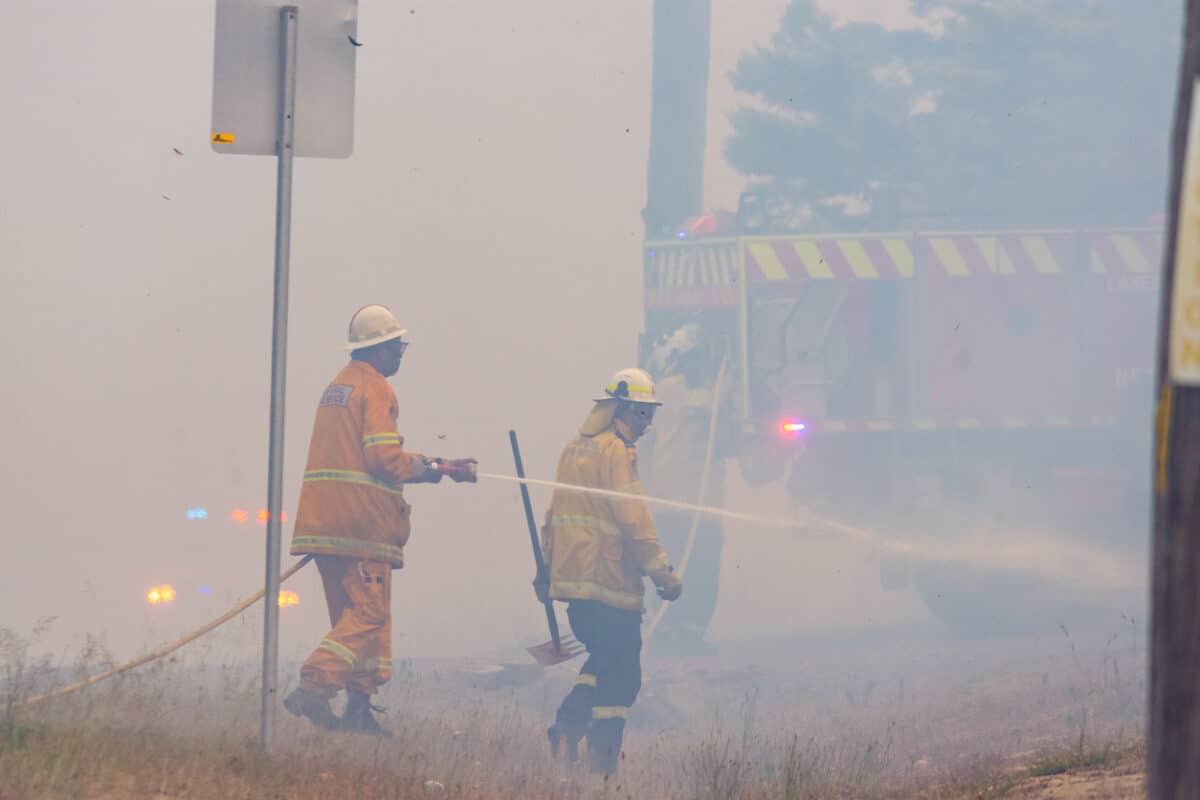
One of the favoured characteristics of a successful corporate leader is empathy for those under one’s duty of care. The logic is, if you care about your workers, you will look after them and prevent them from harm. But in some jobs, the empathy needed to do the job well also exposes workers to psychosocial harm. This issue of vicarious trauma is an element of our increased attention to workplace mental health and is receiving global attention.
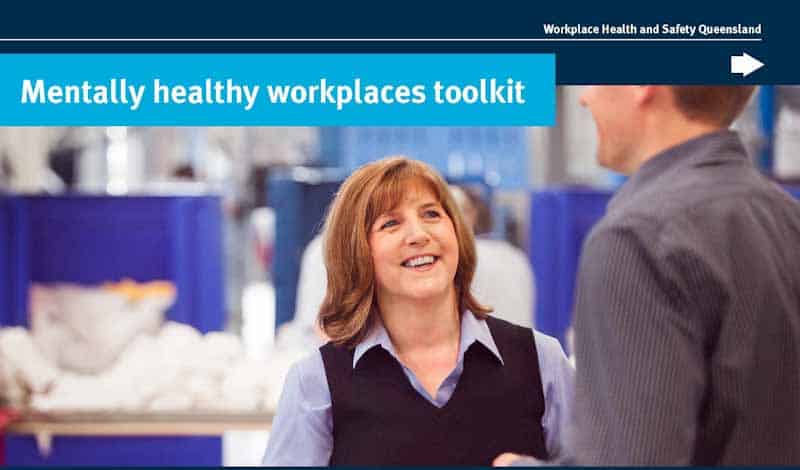
Excellent (and free) Australian guide on psychosocially healthy workplaces
Readers have shown considerable interest in the EU-OSHA e-guide for psychosocial health at work. A similarly formatted document has been released by Workplace Health and Safety Queensland in support of the new “Managing Psychosocial Hazards at Work Code of Practice 2022“. The Mentally Healthy Workplaces Toolkit is an interactive PDF slightly more sophisticated than the EU document through its extensive use of hyperlinks to external information sources.
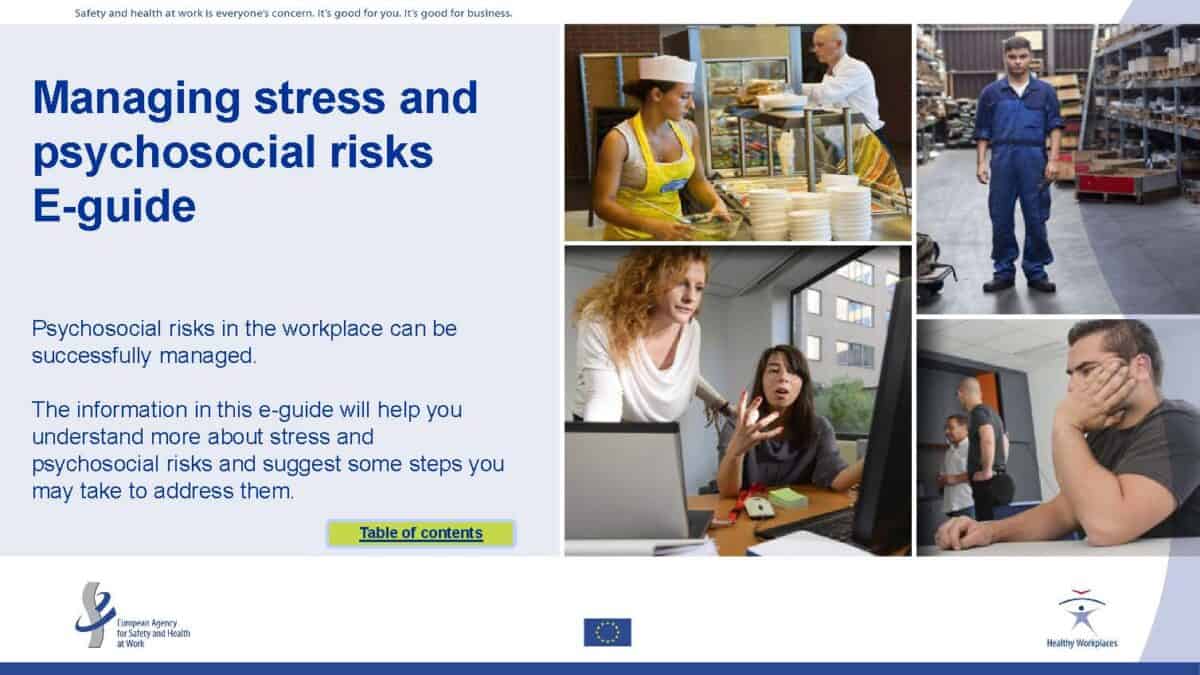
Plain psychosocial health guide has great potential
Recently the European Agency for Safety and Health at Work released an “e-guide” on managing stress and psychosocial risks at work. It offers a radical contrast to some of the information on risks and burnout that originate from the United States.
The e-guide is really a PDF file that uses the software’s features to establish links between the table of contents and relevant pages of information. This is a little “old school” but the Agency often does this, I think, to allow for wide distribution and easy application.

Trucking inquiries scare the Conservatives
Australia’s newspapers have recently reported on the moves by the Federal Government to review the safety and working conditions of the country’s truck drivers. As expected, The Australian newspaper is painting this as the Government paying back its ideological and financial backers – the trade unions – and the resurrection of the Road Safety Remuneration Tribunal (RSRT), even though the Government denies this will happen.
Occupational health and safety (OHS) sits behind some elements of the debate. As with most things OHS, it will not be a game-changer in a discussion over pay rates and minimum standards, but it is a serious consideration, and deservedly so.
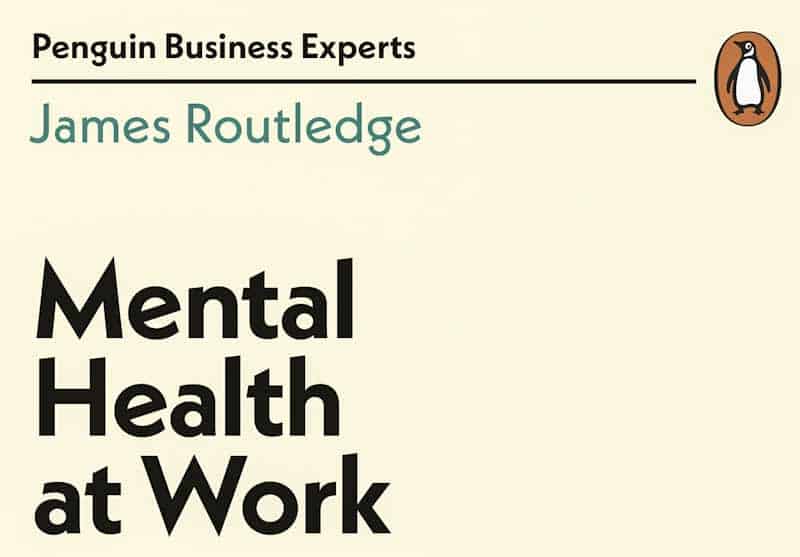
Mental health book should be influential due to lack of bullshit
Some of the recent guidance on mental health at work from occupational health and safety (OHS) regulators is not scintillating or even engaging. Their purpose is to provide information with the hope it is presented in a workplace by someone super-communicative and influential. (C’mon, really? We’re talking about OHS here.)
Luckily there is a recent easy-to-read book of fewer than 150 pages that reads like a conversation over a single afternoon with the reader about Mental Health At Work.
Continue reading “Mental health book should be influential due to lack of bullshit”