
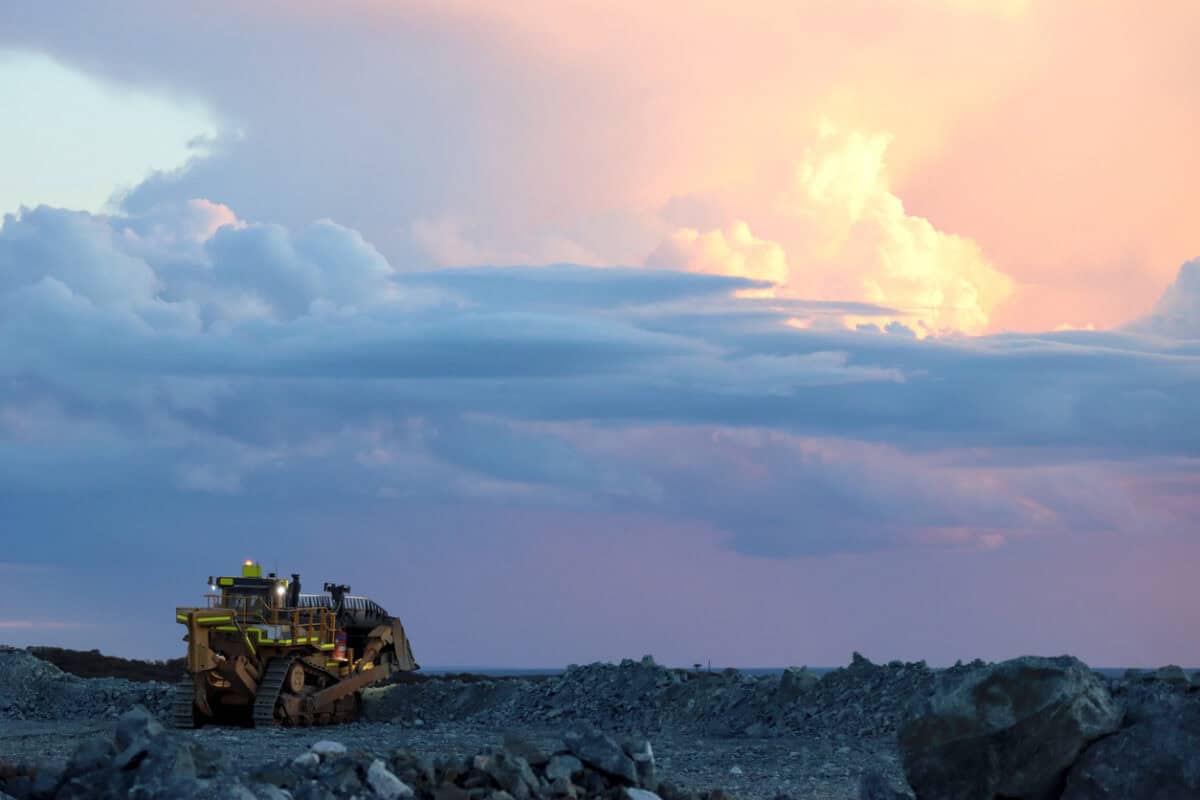
Lindsay Fitzclarence‘s travelogue “The Dirty Life of Mining in Australia” is a thought-provoking work that combines social, economic, industrial, indigenous, and environmental perspectives into a journey across Australia. Occupational health and safety (OHS) is one theme, but it is part of many, and the book is better for it.
Continue reading “Travelling Through Australia’s Beautiful and Broken Mining Country”Category: sustainability
Decent Work is so 2015
Australia’s Prime Minister, Anthony Albanese, has talked about occupational health and safety (OHS)….. a bit. On November 4, 2025, the PM addressed the IndustriALL Global Union 4th Congress. According to the congress’ website it:
‘…will bring together trade union representatives from around the world to discuss the future of work and reinforce their collective commitment to fundamental rights and social justice.”
So, it would be odd if OHS were not mentioned or discussed. (The Congress does maintain an OHS page)
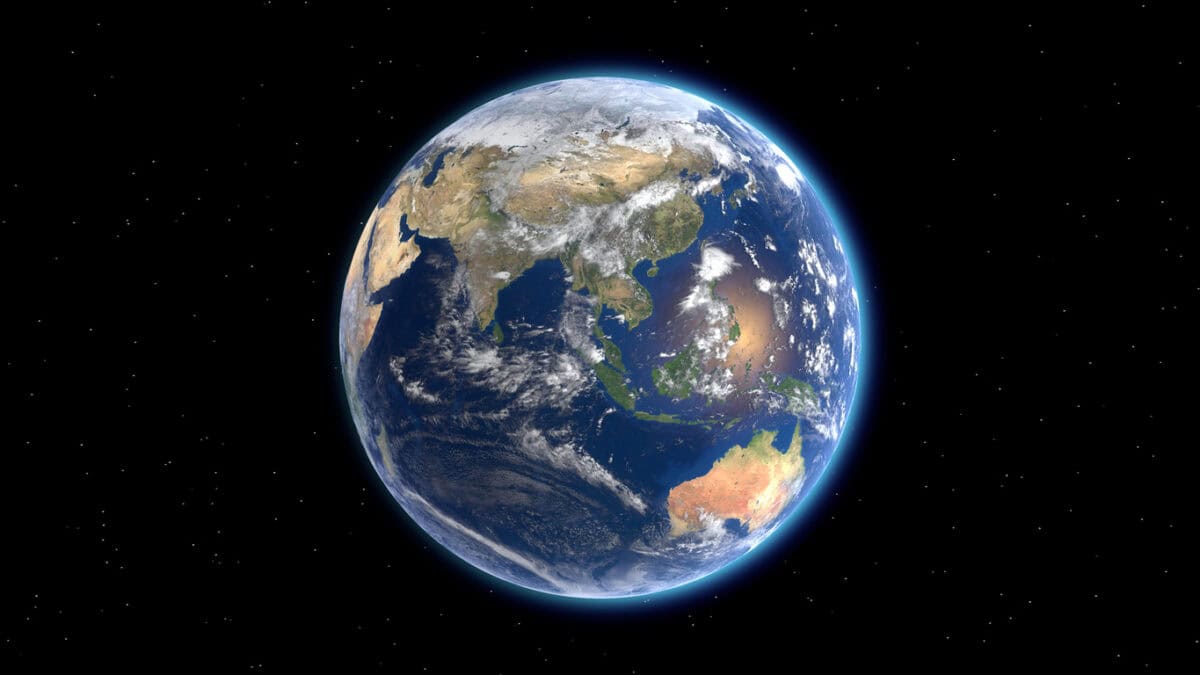
My Lovelock Lessons
I have liked James Lovelock ever since I heard about his Gaia Hypothesis in the brilliant English political drama, Edge of Darkness. I am not happy with all of his intellectual positions. I baulk at nuclear power from the unique Australian position of being nuclear-free but still exporting uranium. But as I finish reading the latest biography of him, I am starting to realise what I have learned.

OHS needs to face some moral questions
Regular readers may have noticed that I want to push the occupational health and safety (OHS) profession to think deeper and more broadly about their usually chosen career’s political and socio-economic context. The reasons for OHS’ overall lack of success in making work and workplaces safer and healthier are not only within those locations and activities but also in the limitations that many OHS people place on themselves.
More and more, I look outside the existing OHS research and trends for explanations of why OHS is treated shabbily by employers and corporations and, sometimes, the government. A new book on Growth by Daniel Susskind is helping in this quest. Below is an extract from the book that, I think, helps explain some of OHS’ predicament.
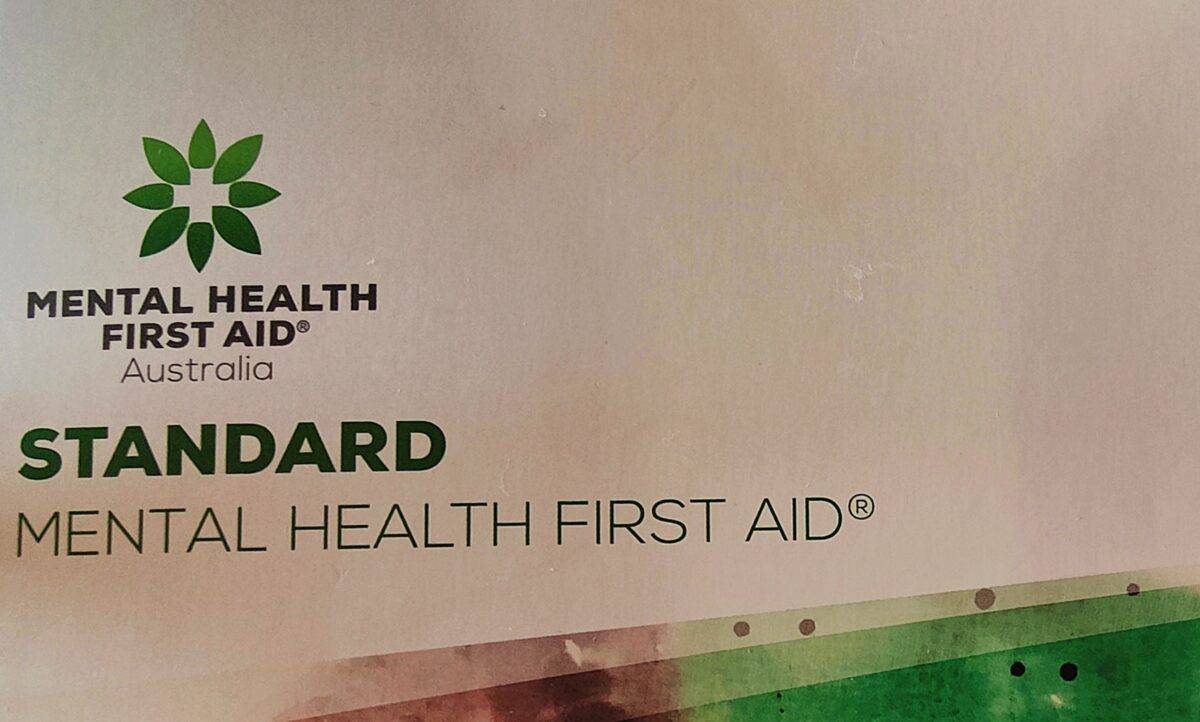
Mental Health First Aid is not a harm prevention strategy
Courses in Mental Health First Aid (MHFA) are increasingly popular in Australia as employers struggle to understand their (new) occupational health and safety (OHS) obligations to provide psychologically safe and healthy work environments. However, MHFA and OHS are fundamentally incompatible.
MHFA is an intervention program, while OHS requires prevention. So, employers who send staff to MHFA intending to comply with their OHS obligations are deluded.

Toothless enforcement
Ross Gittins is a prominent Australian economics journalist. In The Age on September 20, 2023, he wrote an article about the recent spate of corporations being prosecuted and penalized for breaking the law. Many of his points can also relate to companies and executives breaking occupational health and safety (OHS) laws.
Continue reading “Toothless enforcement”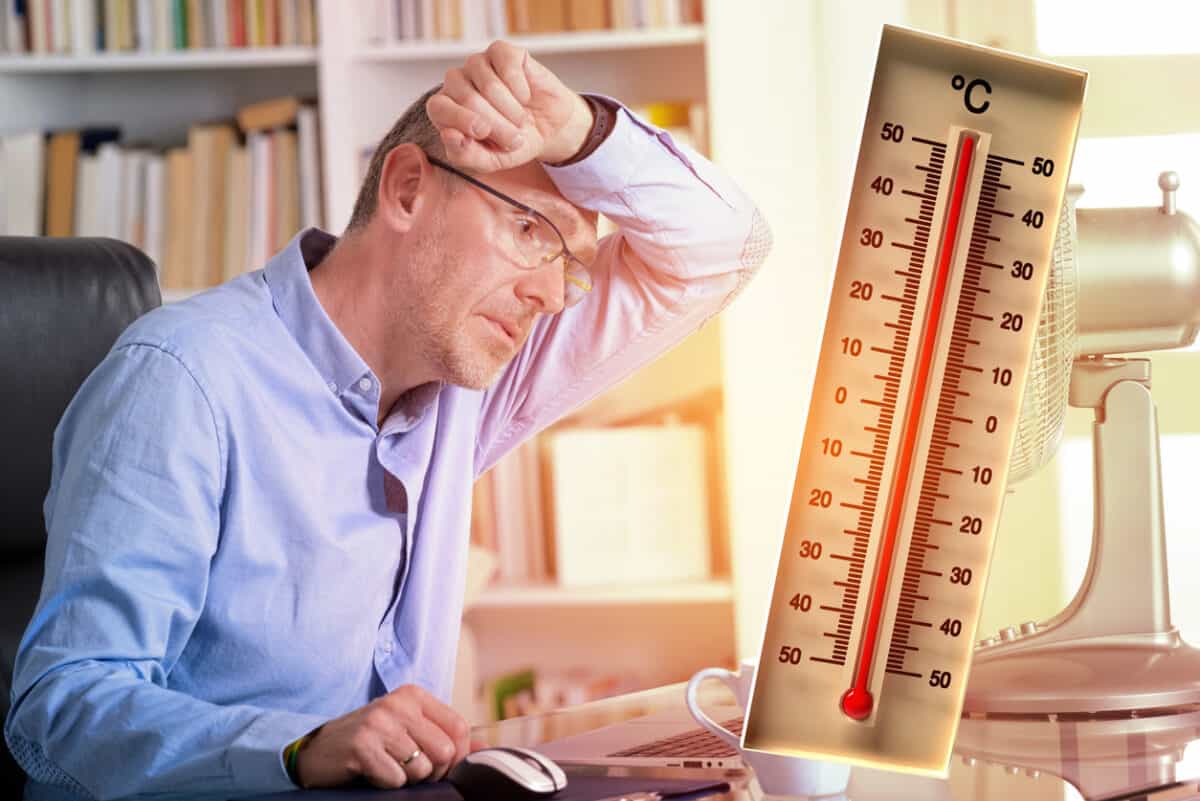
Excessive heat is another reason to redesign work
There seems little doubt that global warming is now a reality. It has been forecast since the 1970s at least, but the fact of creeping change needs a turning point, and it seems that the current Northern Hemisphere Summer is that point. The Southern Hemisphere’s turn is only a few months away.
Few are talking about prevention. Instead, it is adaptation. Those adaptations need to be more than interventions at the individual level, such as increased hydration, wide-brimmed hats and facekinis. Global warming (climate change) has been a developing hazard for a while, contributed to by most countries and owned by none. Employees and customers need to reassess their work-related expectations. Here are some occupational issues and controls that deserve active reflection.