

Everyone has struggled through the COVID-19 pandemic. Many have died. We have to continue to make many allowances for businesses and people due to the disruption, but some are using the pandemic as an excuse for not doing something. Occupational health and safety (OHS) inactivity is being blamed on COVID-19 in some instances, masking or skewing people’s approach to workplace health and safety more generally.
Continue reading “Over-emphasising the COVID pandemic”Category: Uncategorized
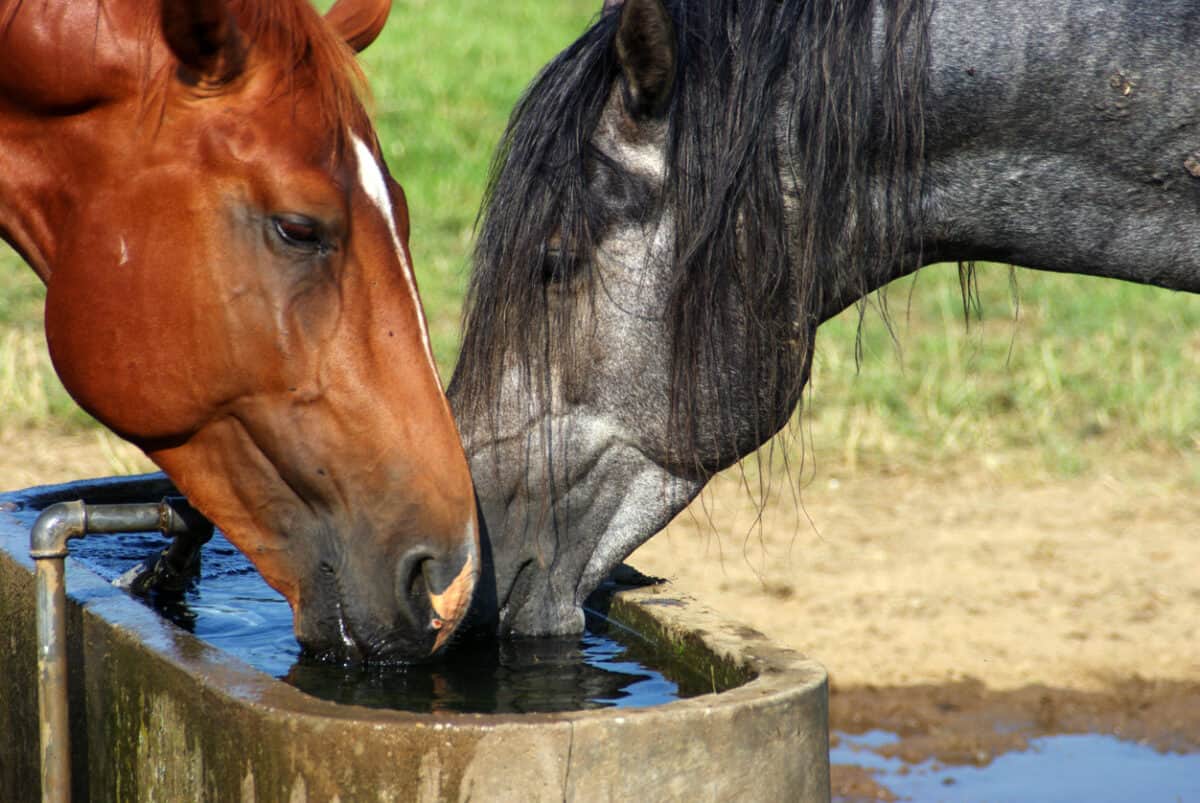
You can lead an opera company to water, but you can’t guarantee it will drink
Recently accusations of bullying have been made by members of Opera Australia. The details are reported in Limelight, but the newspaper article by Nathaneal Cooper is more illustrative of the general workplace mental health challenges of those in the performing arts. Performers are one of the most visible and fragile sectors of insecure and precarious work. Solutions to hazards and clues to strategic improvements might be more evident and practical if the bullying was assessed through the prism (and legislative obligations) of occupational health and safety (OHS) and insecure work.
“can’t afford” means “don’t want to”
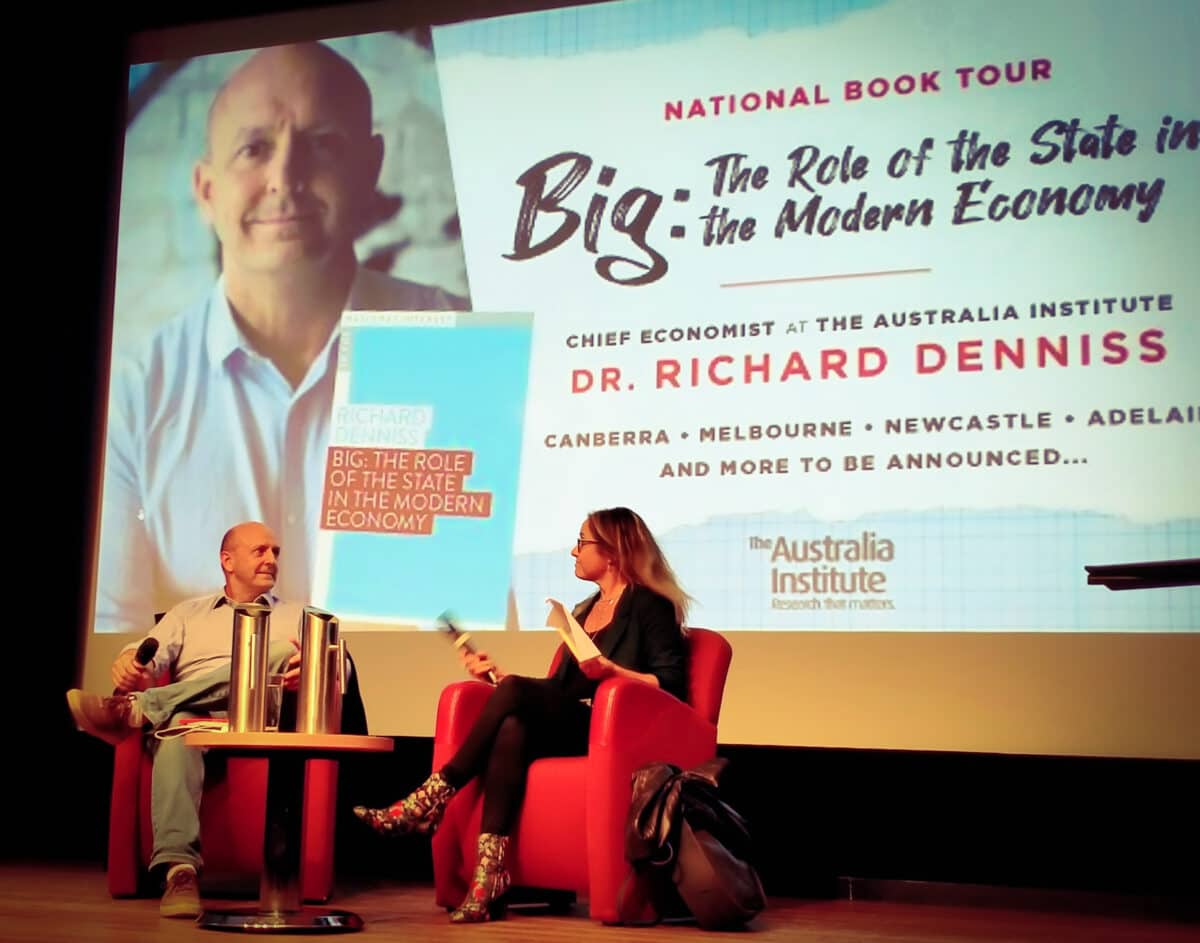
Richard Denniss, an economist with The Australia Institute, discusses economics differently from other economists. He will seldom discuss occupational health and safety (OHS). He rarely talks about industrial relations. Instead, he talks about the big picture by drawing on many sources and disciplines, which is why he is so interesting to listen to.
This week he was on a national book tour for his latest publication on the role of the State in the modern economy and some of his opinions connected with the management of workplace health and safety.
Political point-scoring misses the point
Last week the Australian Financial Review (AFR) caused a bit of a political stink by reporting that:
“….Australian Bureau of Statistics figures show the share of casual employment was 22.8 per cent in February – 1.3 percentage points lower than in February 2020, just before the pandemic hit the economy.
AFR, April 12 2022 – Albanese’s casual jobs claim is ‘wrong’, according to ABS data
The casualisation rate is 4.8 percentage points below the peak of 27.6 per cent in 2003.”
The figures seem accurate but do not tell the whole story. How are employment statistics relevant to occupational health and safety (OHS)? Job insecurity is a significant factor in work-related mental health.
Farm safety is unique, not
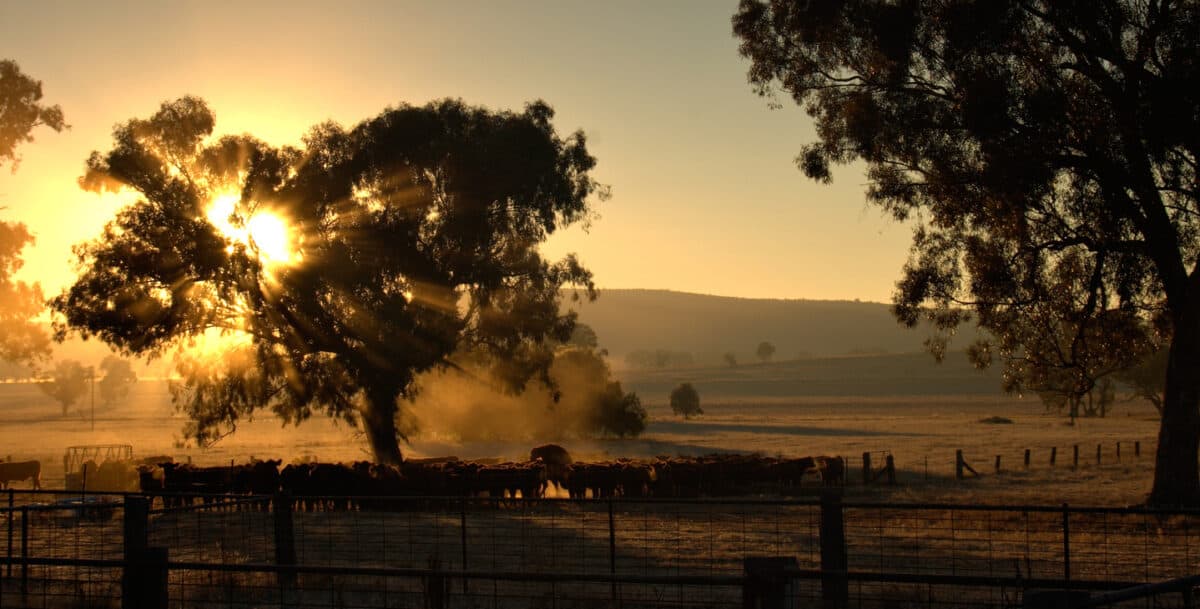
Australian farmers feel they work in a unique safety culture into which work health and safety laws have intruded. This intrusion by government and bureaucrats will persist regardless of the number of work-related incidents that happen to farmers, workers and relatives and the children of farmers.
All farmers and parents advise their workers and relatives to be safe, but this applies a broader range of safety to what is considered in cities and other industries. As far as is reasonably practicable (ASFAIRP) takes up a bigger, greyer range of safety on farms.
This uniqueness and occupational health and safety (OHS) perspective were on display in a recent farm safety article in The Weekly Times, a major Australian agricultural newspaper. The article “Farm Safety Focus Urged to Avoid Tragic Consequences”*, looked at two scenarios. One involved a childhood horse racing injury and a later adult motorcycle traffic collision (Dave Lovick); the other was an adult work-related quadbike incident (Kat Gration).
Industrial Manslaughter, psychologically safe workplaces and insecure work – just another day in the Senate
Australia has entered a federal election campaign, but the mechanics of the Australian parliament continued, and various occupational health and safety (OHS) comments were voiced in Senate Estimates. These comments touched on Industrial Manslaughter, regulations on psychologically safe workplaces and insecure work.
Confrontation with PM involves workers’ compensation
Last week Australian media covered a confrontation between Prime Minister Scott Morrison and a pensioner, Ray, in Newcastle. Most of the coverage focused on Ray’s criticism of the commitments of the Morrison Government to support and reward those citizens willing to “have go”. The full 5-minute video provides a much better context to the man’s complaints than do the short edits on most media bulletins. That context seems to include concerns about workers’ compensation and the processes of the Dust and Diseases Board.