
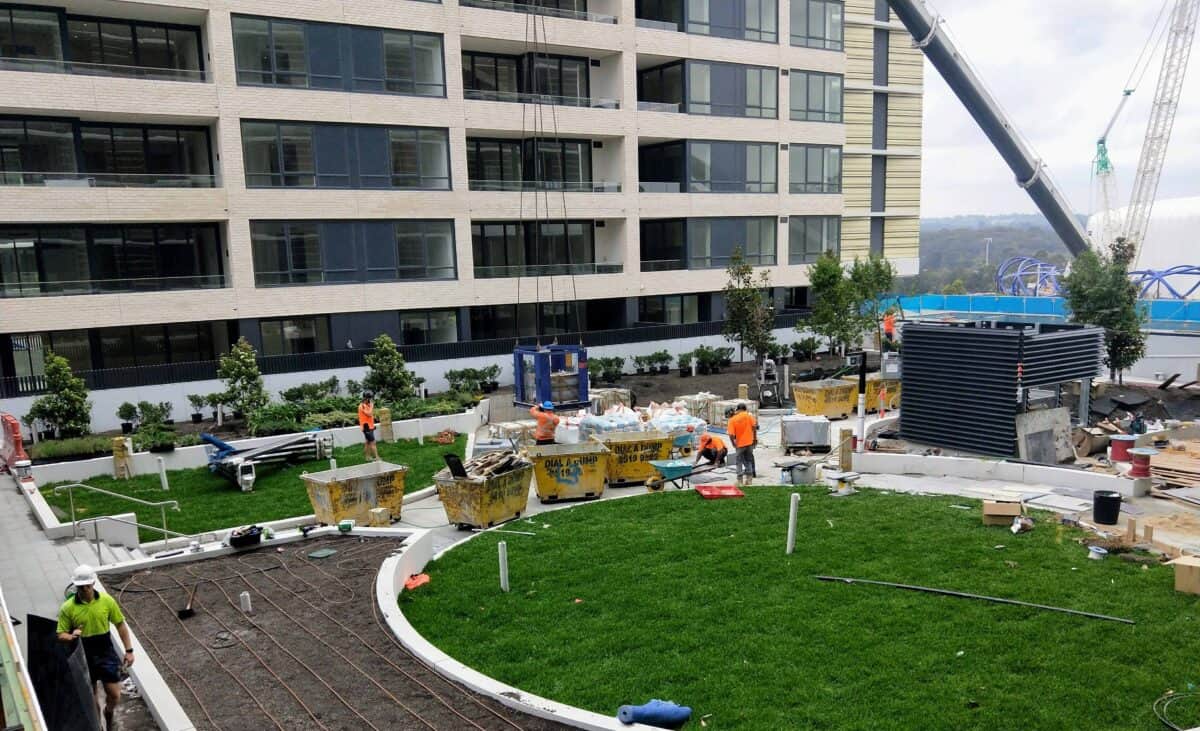
The culture standard for the construction industry has been discussed for several years. Trials have been conducted, and the results were positive, but the value of this standard has always depended on someone powerful implementing it in practice. Last year the Australian Capital Territory (ACT) Government embedded it into public-project procurement, arguing that government purchasing power can drive improvements in wellbeing, diversity and psychological safety across the construction sector.
Category: Uncategorized
Safe Work Australia’s Review and the Predictable Politics of OHS Change
The “Best Practice Review of the Model Work Health and Safety Laws” report released by Safe Work Australia (SWA) is a lot to digest. Summaries and initial analyses are already appearing on some LinkedIn and law firm posts, but the report needs careful consideration. The recommendations seem sound, but such things almost always trigger a knee-jerk reaction from business groups, driven by ideological objections and concerns about increased business costs. I suspect we will see some of this objection in the media over the next few days.
Rethinking Safety by Focusing on the Risks We Rarely See
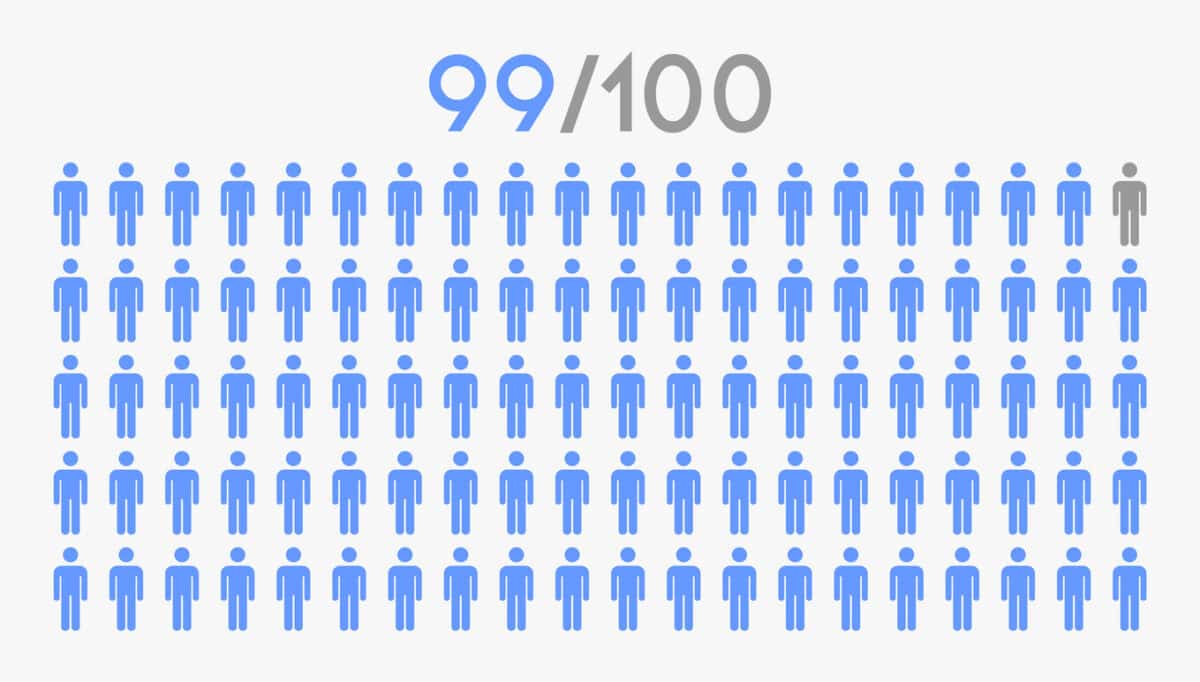
Recent Nordic research has dropped a number that should unsettle Australia’s safety regulators: fatal workplace incidents make up only 1% of work‑related deaths. If similar proportions apply here, our entire inspection and prevention model is pointed at the wrong end of the problem.
If It Ain’t Broken…….
Earlier this week, I heard a person repeatedly say that Victoria was the last Australian jurisdiction to introduce obligations to prevent psychosocial hazards under occupational health and safety (OHS) laws. That is not strictly true.
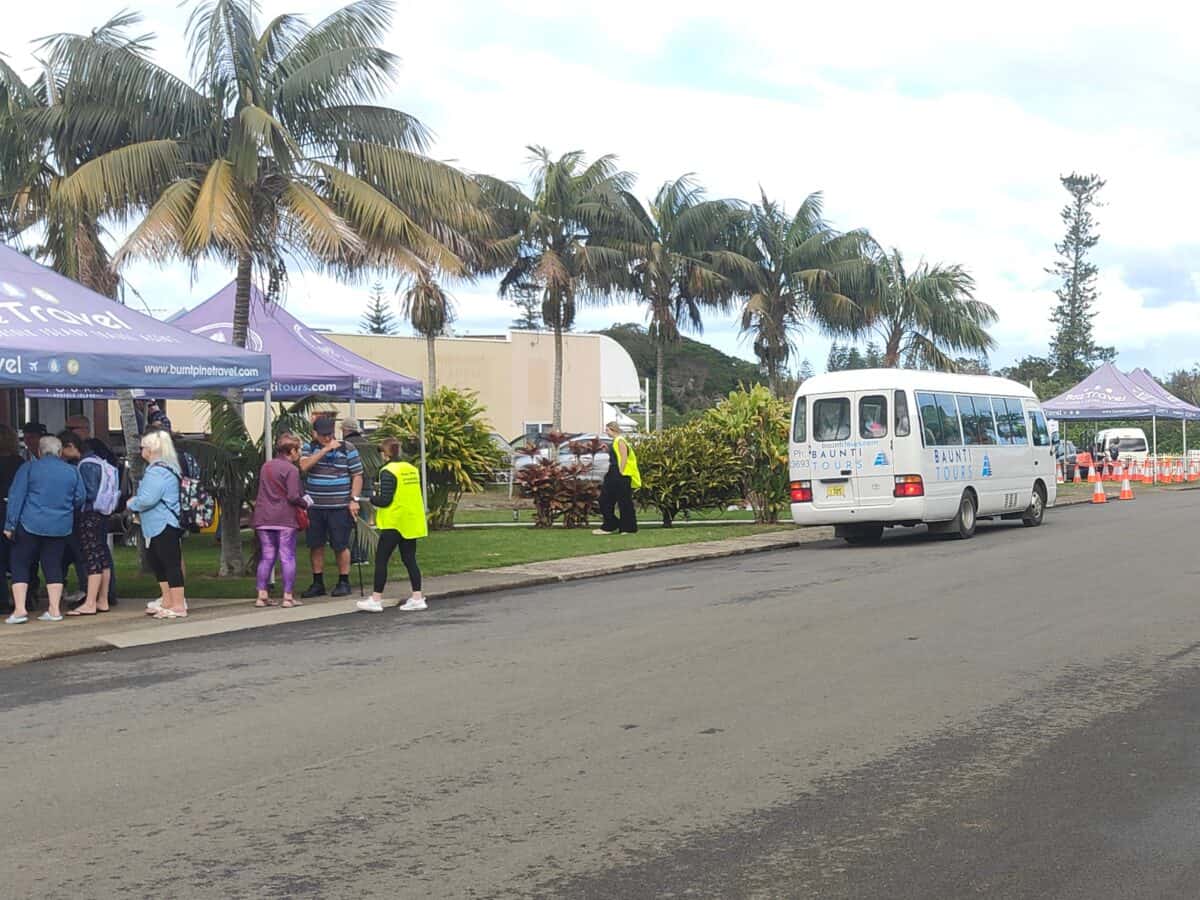
Contrary to the established understanding, TWO Australian jurisdictions have not joined the harmonised Work Health and Safety (WHS) model laws: Victoria and Norfolk Island. Norfolk Island employers still regulate occupational health and safety (OHS) under an Act from 1988 created by its own legislative assembly, which existed at that time – the Norfolk Island Employment Act. “Psychosocial hazards” are not mentioned.
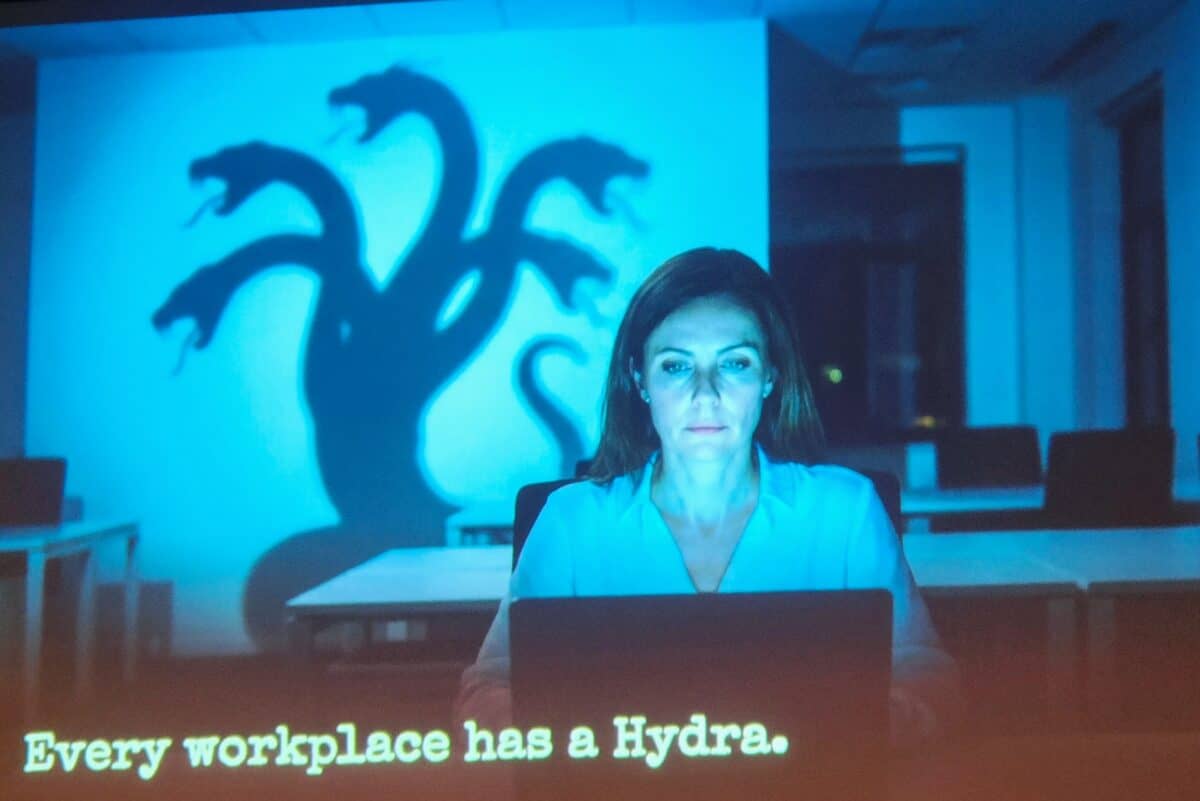
When Psychosocial Harm Meets Pub Philosophy
Occupational health and safety (OHS) people talk a lot, but often they preach to the choir when they need to reach a new audience. Last night, philosophy academic Dr Peter Brace provided a lecture on psychosocial hazards and psychological safety to over 50 members of a diverse audience in an upstairs room of a Richmond pub. This is what he said and what I learned.

Think Big About Psychosocial Hazards
Occupational health and safety (OHS) has a habit of discovering a useful idea and then asking it to explain everything. (We are desperate for silver bullets.) Systems thinking seems to be the latest candidate. It offers a valuable way to examine how work is organised and how psychosocial harm emerges, but enthusiasm is beginning to blur an important boundary. Systems thinking is a method of seeing how workplaces operate, but Sociology helps explain what is being seen, who shaped it and why it persists.

A Localised Reassessment of Common Sense
“Common Sense” is a concept all occupational health and safety (OHS) professionals must address, but that doesn’t mean it’s static. My six months on Norfolk Island provided me with a new perspective.
In several blog articles on “common sense”, I found the concept a deeply unreliable foundation for OHS because it is subjective, dismissive, and routinely used to defend and mask harmful organisational habits. As one article notes,
“Common Sense often seems to be the way I think or the way I do something – ‘It’s just common sense’”,