What is a psychological incident?

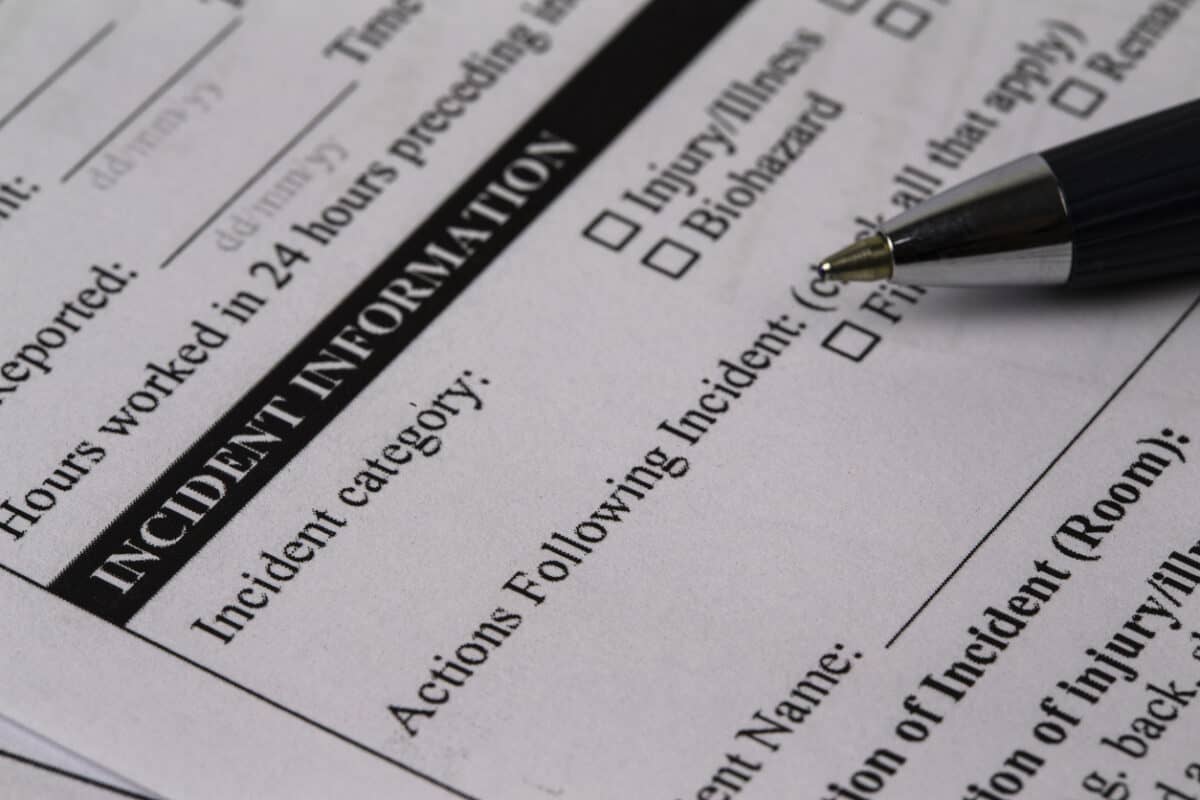
The Regulatory Impact Statement (RIS) for Victoria’s draft Psychological Health Regulation does not seem to define what is meant by a psychosocial incident. (If I have missed it, please include a reference in the comments section below) In trying to establish a workplace mental health demographic, the RIS states that:

“As there is currently no legislative reporting requirements for psychosocial incidents, voluntary calls received by WorkSafe’s advisory service have been used as a proxy to estimate the prevalence of psychosocial incidents in the workplace.”

page 34

It is a pretty fluffy determination that the RIS accepts, further illustrating the need for additional data. The advisory service figures record 80% of psychosocial calls relate to bullying.

Continue reading “What is a psychological incident?”

Is red tape justified?

One of the interesting features of the Psychological Health regulations proposed by the Victorian Government last month is the requirement for employers to provide regular six-monthly reports on psychological incidents.

The Regulatory Impact Statement (RIS) states that:

“…the proposed regulatory amendments will require employers to keep written records of prevention plans for prescribed psychosocial hazards and impose reporting requirements on medium and large employers.”

page 9
Subscribe to SafetyAtWorkBlog to continue reading.
Subscribe Help
Already a member? Log in here

Will workplace psychological regulations work?

Recently the Victorian Government released its proposed Occupational Health and Safety Amendment (Psychological Health) Regulations supported by a 106-page Regulatory Impact Statement (RIS) written by Deloitte Access Economics. Public consultation and submissions are welcome up to the end of March 2022.

These regulations have been promised by the Victorian Government for some time and are likely to be debated in Parliament later in this (election) year. The RIS raises substantial questions, but the Regulations stem from primarily a political decision, so those political promises need to be examined.

This is the first of a series of articles on psychological health and the proposed regulations over the next few days.

Subscribe to SafetyAtWorkBlog to continue reading.
Subscribe Help
Already a member? Log in here

Is work health and safety “woke”?

Occupational health and safety (OHS) has always been progressive in that its purpose is to prevent harm to workers and people. It has lost its way sometimes and its effectiveness diluted at other times, but its core purpose has remained. At the moment, there is an ideological, political and cultural resistance to progressive structures and ideas that is often criticised as being “woke”. Woke has an evolving meaning, but it seems to mean well-intended but ineffective.

Recently Australian academic Carl Rhodes examined “woke capitalism” in a new book. Refreshingly Rhodes provides an analysis of woke capitalism rather than a rabid critique. OHS is not the focus of this book (when is it ever?), but his research and perspectives are relevant to how OHS is practiced and the level of influence we believe it deserves.

Subscribe to SafetyAtWorkBlog to continue reading.
Subscribe Help
Already a member? Log in here

If the research is clear, why aren’t employers reacting?

Excessive working hours are harmful. This uncomfortable truth was recently spoken by the Harvard Business Review. The changes to prevent this harm is obvious to most of us involved with health and safety but remains uncomfortable to everyone else.

In an article called “The Research is Clear: Long Hours Backfire for People and for Companies, Sarah Green Carmichael posits three reasons for overwork:

Subscribe to SafetyAtWorkBlog to continue reading.
Subscribe Help
Already a member? Log in here

A mouse that is trying to roar

Robert Gottliebsen continues to support the campaign led by Self-Employed Australia’s Ken Phillips, to have senior members of the Victorian government prosecuted for breaches of the Occupational Health and Safety (OHS) Act. However, his arguments are becoming weaker.

On February 13 2022, in his column in The Australian (paywalled), Gottliebsen made big claims for Phillips’ legal action, which is being crowdfunded and advised by anonymous (but “some of Australia’s top OHS”) lawyers. He concluded his latest article saying:

Subscribe to SafetyAtWorkBlog to continue reading.
Subscribe Help
Already a member? Log in here

Work, not Sex, won the day

On February 10 2022, the Victorian Parliament passed laws to decriminalise sex work, supporting the (Labor) government position that sex work needs to be treated the same as any other type of work. The debate, the culmination of decades of work by many sex work supporters and advocates, was won by emphasising the role of Work over the concerns about Sex. This is a strategy that other workplace safety advocates may consider.

Subscribe to SafetyAtWorkBlog to continue reading.
Subscribe Help
Already a member? Log in here
Concatenate Web Development
© Designed and developed by Concatenate Aust Pty Ltd