Vale Allison Milner

I am very sad tonight to write about the death today of prominent researcher, academic and lovely person, Allison Milner. Her work was vitally important to broadening our understanding of psychological health at work and suicides. Her research and perspectives were fresh and innovative.

Less than a month ago I spoke with Allison at a Suicide Prevention Conference. She was generous in her support of my work, knowing that this blog was a useful platform for spreading the awareness of her work.

My deepest sympathy goes to her husband and children.

Kevin Jones

Pimp your administrative controls

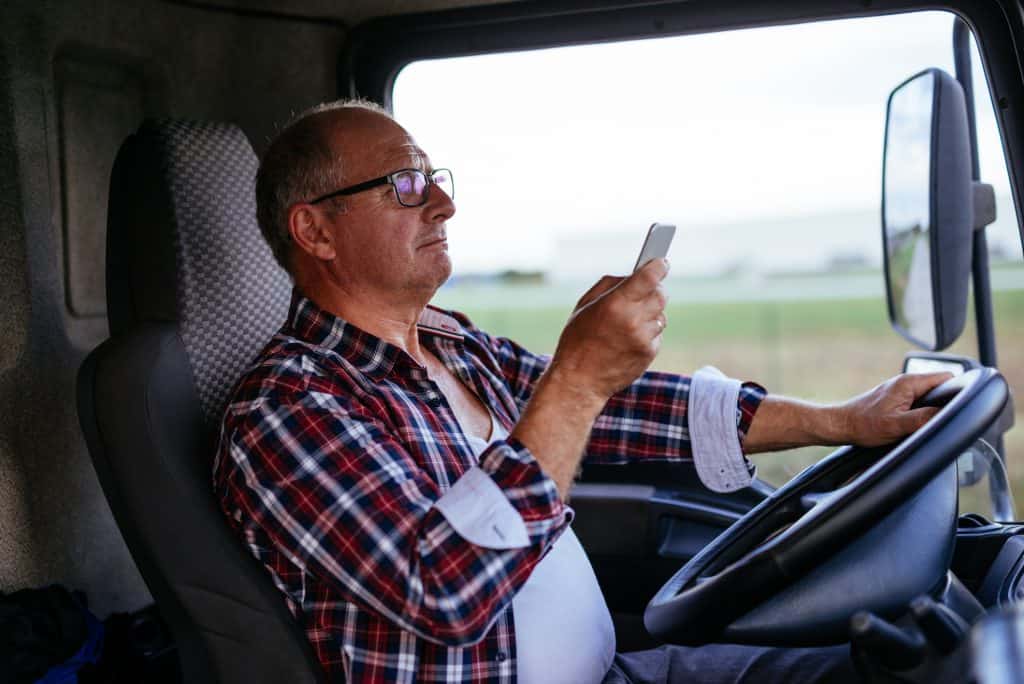
Safety risks increased, or created, by distraction are a problem as relevant to occupational health and safety (OHS) as it is across society. There are analogue solutions – remove the distracting devices – and technological solutions that are often embedded in the distracting device. Sometimes there are other solutions and one is being trialled at a small intersection in Melbourne.

These illuminated tactile pavers have been embedded in the footpath applying the logic that as people are looking down at their phone screens, a bright contrasting floor level background should attract their attention. These footpath lights are synchronised with the pedestrian traffic lights, basically bringing the traffic signals within the peripheral vision of pedestrians.

Several variations on this concept have been trialled around the world for traffic and pedestrian control but they may be more usefully applied in some workplaces, especially where passive hazard signs have become normalised.

Continue reading “Pimp your administrative controls”

Caution. Misery (and Enlightenment) Ahead.

Having been born in the north of England, I enjoy watching movies and TV shows from there, even though I need subtitles sometimes. As a child watching Ken Loach’s film Kes for school, I thought that I could easily have been that kid standing in a cold muddy soccer pitch on an estate not far from our commission house. (I have been told our previous house was demolished because it was in a block of slums) So Loach’s latest film sounded interesting and given that it depicted life in the precarious and “gig” economy, I recently joined the hundreds in the audience at the Melbourne International Film Festival to watch “Sorry We Missed You”.

I really enjoyed the film but found the story very upsetting. It’s taken me almost a week to starting writing this article and the trailer still makes me cry, so I am split on whether to recommend you see the film.

Continue reading “Caution. Misery (and Enlightenment) Ahead.”

Chinese Whispers on drugs and alcohol at work

Evidence-based policy making needs make sure that the evidence is accurate and valid. Evidence is also the foundation of the state of knowledge of the occupational health and safety (OHS) professional, action and regulations. To achieve and sustain these aims and requirements, evidence needs to be questioned in order to verify it.

On July 17 2019 WorkSafe Victoria distributed an email newsletter which stated that

“… 15% of workplace injuries worldwide are caused by alcohol and drug use”

and referencing Comcare as its source. But that source says something significantly different.

Subscribe to SafetyAtWorkBlog to continue reading.
Subscribe Help
Already a member? Log in here

Big potatoes, small potatoes, trust and transparency

The Australian Council of Superannuation Investors (ACSI) has released a research paper that discusses the reporting of workplace fatalities by major companies in their Environmental, Social and Governance (ESG) reports. There are many informational benefits in this report but perhaps the most important is that the report reinforces occupational health and safety (OHS) in ESG reports. The risk is that OHS is seen only in relation to the ESG criteria in Annual Reports.

Australia has experienced a gentle push for inclusion of OHS performance measurements in company and government department Annual Reports. SafetyAtWorkBlog has reported on this and some peer-reviewed research and recommendations over many years. The ACSI report progresses this but also illustrates the sluggish rate of change.

Subscribe to SafetyAtWorkBlog to continue reading.
Subscribe Help
Already a member? Log in here

Fence or Ambulance?

The other week Lucinda Brogden, one of Australia’s Mental Health Commissioners participated in a three day suicide prevention conference, concluding the week as a keynote speaker at an occupational health and safety (OHS) seminar. Her commitment to keep focusing on the prevention of harm made her a comfortable fit for the largely OHS audience. Hopefully her influence is big on the Australian mental health policy makers.

Brogden reminded the audience of an 1895 poem by Joseph Malins which discusses the prevention of harm through the analogy of putting a fence at the cliff edge to stop people falling rather than having an ambulance at the bottom of the cliff to collect the dead and injured. It is unlikely that Malins was thinking of workplace safety with this poem but, as a temperance activist, it is certain he was thinking about health. Regardless, the imagery is a useful and simple illustration of the advantages in the prevention of harm, and not just in relation to mental health.

Subscribe to SafetyAtWorkBlog to continue reading.
Subscribe Help
Already a member? Log in here

Suicide Prevention, Genders and Workplace Interventions

Allison Milner speaking at the 2019 National Suicide Prevention Conference

2019 was always going to be a Year of Mental Health for Australians as there are various official inquiries and investigations occurring. Last week alone, the Royal Commission into Mental Health Systems focused on suicide prevention. This overlapped with the National Suicide Prevention Conference (NSPC) and on Friday one of Australia’s National Mental Health Commissioners, Lucinda Brogden, spoke at a VIOSH 40th anniversary seminar.

The “evidence” of Lived Experience dominated the Conference and has been a regular feature of the Royal Commission, but the much more robust evidence of work-related mental health has also been on show. This evidence supports the harm prevention strategies advocated by occupational health and safety (OHS) professionals, researchers and Safe Work Australia and continues its peer-reviewed strength, even if the audience seems less than it should be.

Subscribe to SafetyAtWorkBlog to continue reading.
Subscribe Help
Already a member? Log in here
Concatenate Web Development
© Designed and developed by Concatenate Aust Pty Ltd