Road safety needs a systems approach to investigations

A company vehicle is a workplace.  This is not a radical statement, or shouldn’t be.  A worker driving the company vehicle is at work, transporting themselves or some goods somewhere as part of the work process. Yet most traffic accidents in Australia are not assessed to determine whether they are work-related and action is rarely taken by the occupational health and safety (OHS) regulators who seem comfortable with their secondary information gathering role in traffic accidents.

With the failure of the trade union movement’s efforts to maintain the existence of the Road Safety Remuneration Tribunal, others are stepping up pressure on Australia’s government to address some traffic accidents as work-related. And there is some important local independent research that seems to support this push.

Subscribe to SafetyAtWorkBlog to continue reading.
Subscribe Help
Already a member? Log in here

The challenges of Todd Conklin

Earlier this month SafetyAtWorkBlog published an article based on an anecdote by Todd Conklin about a glove.  There was much more that Conklin shared at the SafeGuard conference in New Zealand.  Below are several of his slides/aphorisms/questions that may challenge the way you think about managing occupational health and safety (OHS) in your workplace.

Subscribe to SafetyAtWorkBlog to continue reading.
Subscribe Help
Already a member? Log in here

Insurer-led rehabilitation case management does not work

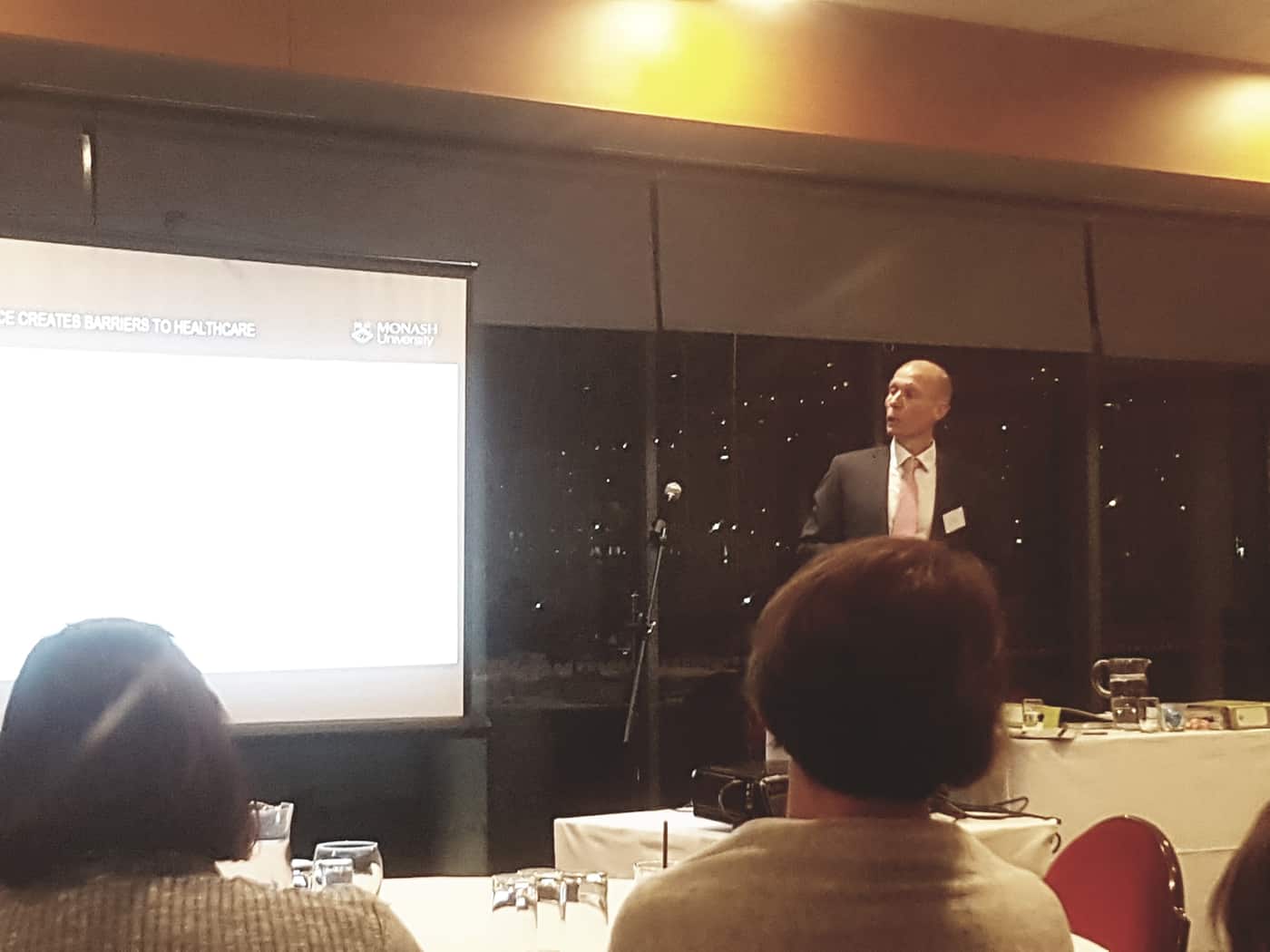
On the eve of a Return-to-Work symposium in Hobart, Alex Collie, challenged the a seminar audience, as all good speakers should.  His analysis of research data has found the following confronting information:

  • “main service delivery mechanism (case management) is ineffective at best, harmful at worst,
Subscribe to SafetyAtWorkBlog to continue reading.
Subscribe Help
Already a member? Log in here

Safety Culture and/or safetyculture

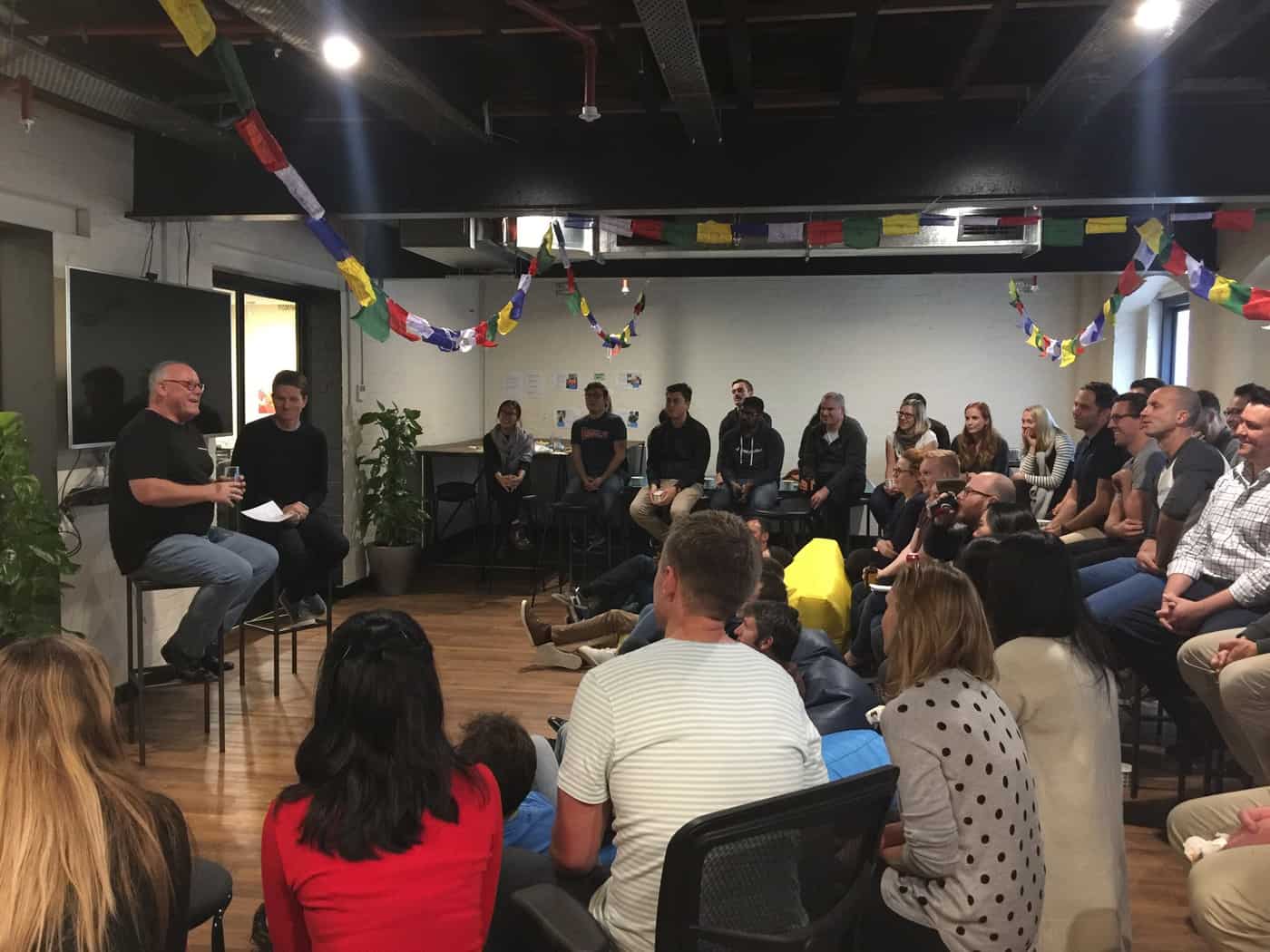
Kevin Jones speaking a SafetyCulture’s Sydney office

SafetyAtWorkBlog and others have been critical of some of the products and practices of Australia safety company SafetyCulture. However Luke Anear, SafetyCulture’s CEO invited me to speak at a briefing for his staff and this seemed a good opportunity to better understand his company.

Subscribe to SafetyAtWorkBlog to continue reading.
Subscribe Help
Already a member? Log in here

Do open plan offices and sit/stand desks create as many problems as they solve?

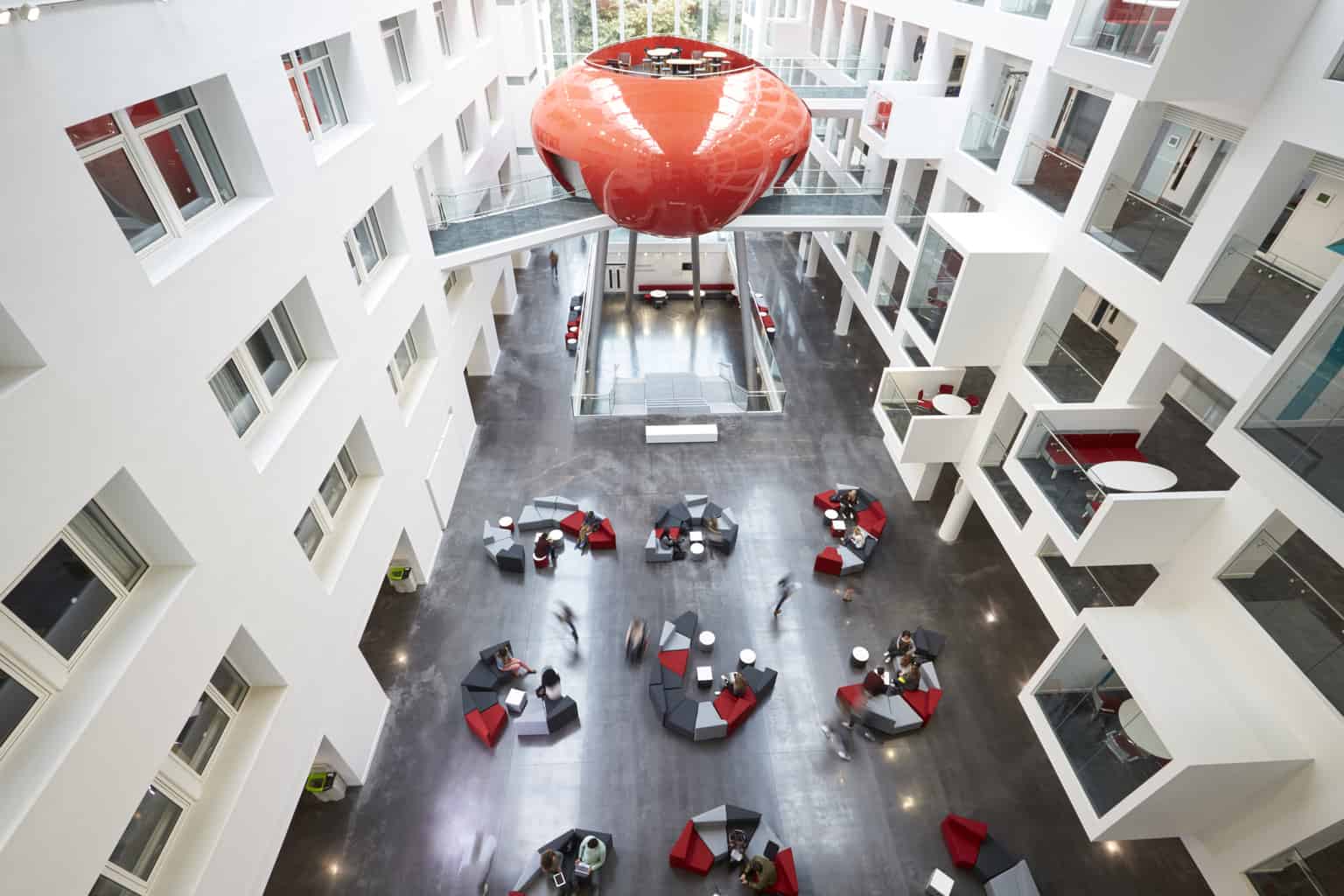
The mainstream media regularly includes articles and, increasingly, advertorials, about the modern workplace, usually office buildings, that are designed to foster creativity, communication, productivity and improve physical health.  In many of these workplaces, it quickly becomes apparent that there are never enough meeting rooms for confidential discussions, making the coffee shop in the foyer or a nearby building, essential venues for conversations that would, in the past, be conducted in an office.

It also does not take long for a lot of the workers to be at their desks wearing earbuds or headphones in order to negate the noise that the modern workplace allows and creates.  This need for isolation and concentration is contrary to the intentions of the office designers.  It is not simply a reflection of the modern ipod technology but a human desire for privacy, focus, diligence and productivity.  New research  seems to indicate that the situation is not helped by sit/stand desks.

Subscribe to SafetyAtWorkBlog to continue reading.
Subscribe Help
Already a member? Log in here
Concatenate Web Development
© Designed and developed by Concatenate Aust Pty Ltd