
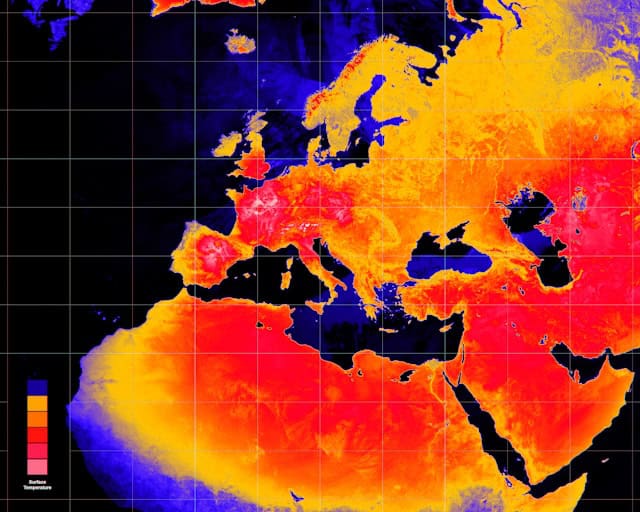
In the Northern Hemisphere, workers are again facing dangerous summer heat. In a few months, it will be the Southern Hemisphere’s turn. Climate extremes are producing droughts, wildfires, and crop failures. It’s not the end of the world, but it’s becoming easier to see how the world ends, and how work and business will be affected. As with most catastrophes, occupational health and safety (OHS) sits quietly in the background. It needs to step forward because it has tools that can help.
Category: wellbeing
Open Access to PHSCon articles
In September 2026, I will be reporting from the Psych Health and Safety Conference (PHSCon) in Sydney. It is the pre-eminent workplace mental health conference in Australia and is it its third year.
In support of the 2026 conference, I have opened some of my PHSCon articles from 2024. These articles illustrate the high calibre of speakers this conference attracts and, hopefully, shows the worth of subscribing to the SafetyAtWorkBlog for these exclusive reports.
Concussion Reform Won’t Happen Until We Stop Pretending Sport Is Exempt from OHS
The risk of concussion in professional sports is getting an increasing amount of attention, and the prevention of harm is starting to be considered, but the consequences of the changes required are being resisted or, perhaps more accurately, dreaded.
A recent article by John Hennessy of the Community Concussion Research Foundation (CCRF) in the Australian Financial Review highlights progress toward serious consideration of harm prevention in sporting workplaces.

Burnout Isn’t Complex When You Look Through an OHS Lens
I want to be optimistic about workplace mental health in the lead-up to my reporting on a sihgnificant psychological/psychososcial conference in September – PHSCon. But reading the newspapers demoralises me, as burnout stories framed through HR ignore OHS obligations and preventive design. I suppose I could eliminate the psychological hazard by stopping reading the newspapers (like many others have), but then how would I know what others think about occupational health and safety (OHS) and what is being said and advised to employers and the community?
Recently, The Age and Sydney Morning Herald newspapers contained an article called “Hidden cost of our burnout culture” – a typical example of a Human Resources (HR) and leadership-based perspective. Burnout stories framed through HR ignore OHS obligations and preventive design.

On sexual harassment, Australia requires prevention, while the UK requires response
For the last few years, McDonald’s in the United Kingdom has been embroiled in scandals involving the harassment and sexual harassment of staff by other staff members. As McDonald’s is an international company with similar operational systems of work, how would the Australian arm of the company react to a similar situation?

Brodie Panlock, workplace bullying and the limits of outrage
Workplace bullying has a habit of becoming visible only after harm has already occurred. In 2010, the 2006 death of 19-year-old Brodie Panlock became the point at which many Australians first understood that bullying at work was not merely a Human Resources (HR) irritant, or a personality weakness, or one of those unfortunate things that happens in a rough workplace somewhere else. It was an occupational health and safety (OHS) issue.
Please note that this article discusses suicide and mental trauma.

20th Anniversary of Significant Workplace Bullying Fatality
I am old enough to remember the work-related suicide of Brodie Panlock in 2006, meaning this year is the 20th anniversary. Her death, the findings of the Victorian Coroner and the prosecution by WorkSafe Victoria are pivotal to how workplace bullying and mental health at work are seen and managed today. But there is a generation of young workers who may be unaware of her case.
This series of articles trace that failure of prevention across three stages: the immediate OHS significance of the Café Vamp prosecution, the public and legal response through Brodie’s Law and national inquiries, and the continuing relevance of psychosocial hazard prevention under modern OHS duties.
The articles are based on the original SafetyAtWorkBlog articles from 2010 onwards. Today, here is a brief reminder of what Brodie Panlock experienced.
Please note that this article and those following discuss suicide and mental trauma.