
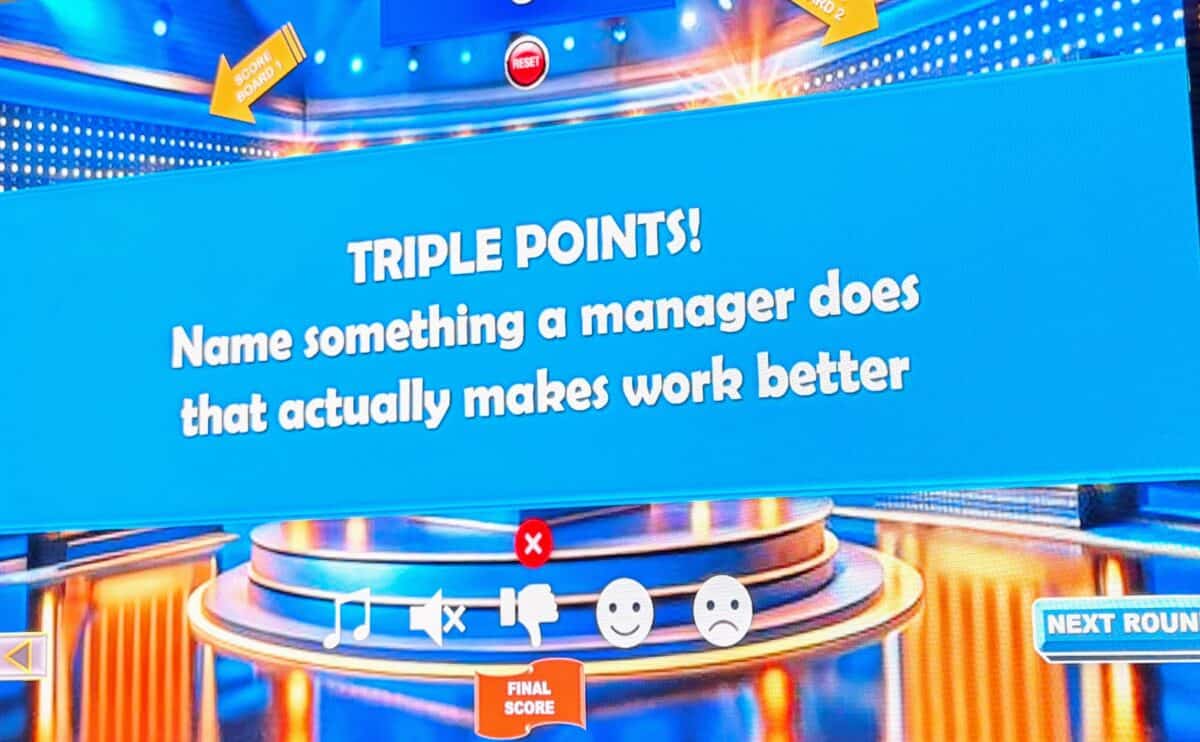
Day 1 of FlourishDx’s Psych Health and Safety conference ended this year with a flourish, featuring a Family Feud-style contest between Occupational Health and Safety (OHS) and Human Resources (HR). It was a raucous conclusion to a day of mixed safety messages.
Category: wellbeing
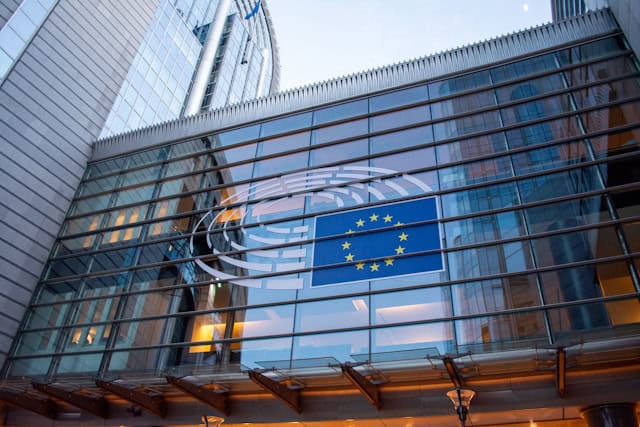
The EU’s New Psychosocial Proposal Puts Australia on Notice
Australia often positions itself as a leader on psychosocial hazards and occupational health and safety (OHS). A new proposal from the European Parliament (EP) provides a contrast.
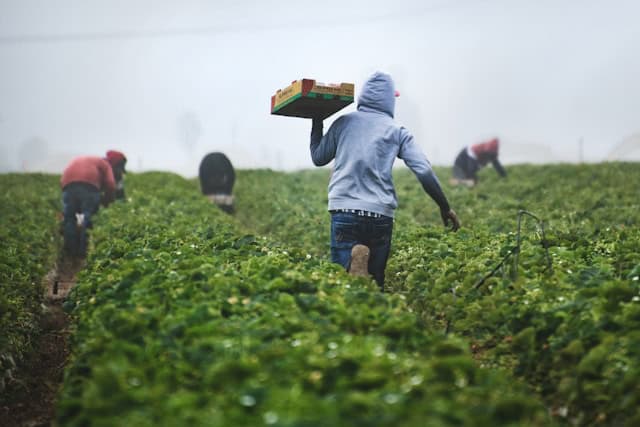
Australia’s Migrant Majority and the New Realities for OHS
Australia is living through a demographic and economic shift that is far more consequential for workplace safety than most organisations or regulators have acknowledged. George Megalogenis’ new book, Three Shocks, identifies three structural changes reshaping the nation: Australia is now a majority‑migrant country; professional women have overtaken blue‑collar men as the largest occupational group; and the geopolitical environment that once provided stability has become unpredictable. These shocks are lived realities in workplaces, and they demand an occupational health and safety (OHS) overhaul.

Systems Thinking Remains the Blind Spot in Australia’s Leadership Conversation
Australian employers keep saying they’re improving how they manage mental health at work, yet the basic problem remains: HR and OHS still operate in silos. You can see it in every psychological injury case where HR handles the person, and OHS handles the paperwork, but no one fixes the work. A recent episode of The Caring CEO featuring a conversation between Graeme Cowan and Kat Page showed how close we are to integrating people management and work design — and how far we still have to go.

What’s it like living and working on a Pacific Island?
For the last 5 months I have been living and working on Norfolk Island, an external territory of Australia, three hours by plan off the east coast of Australia. I am on a 6-month contract which concludes in just over a week.
I have written regularly over the psychological impacts of Fly-in, Fly-Out (FIFO) workers and looked at this contract as an extreme example of working away from home and being isolated from friends and family. So how do I think I have coped?
Save the Player, Save the Game: Rethinking Brain Injury in Australian Football
I have been writing about how occupational health and safety should apply to professional contact sports for a few years. The emergence of concussion, traumatic brain injury, and CTE has changed how sports are managed and the sports themselves.
I hope when you have 14 minutes to spare, perhaps on your smoko, walking at lunchtime or on the gym’s treadmill, that you get a chance to listen. Afterwards, please post some comments or message me on the socials.
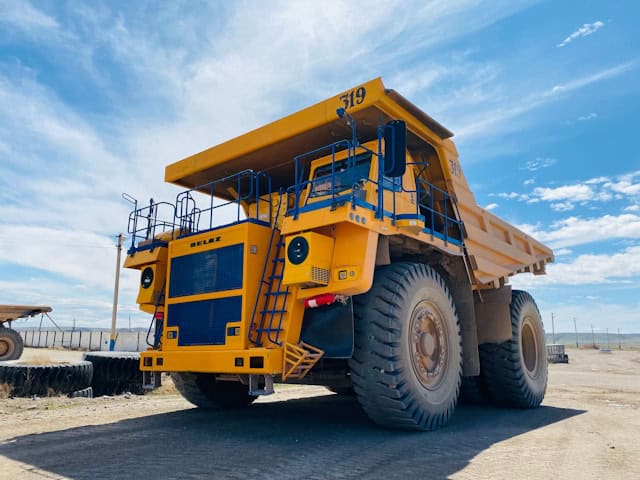
BHP Puts Safety First but Reports Sexual Harassment Under Sustainability
BHP has just released its Annual Report for the latest financial year, which includes occupational health and safety (OHS).
The report places Safety as the opening chapter of the Annual Report. Symbolically, this matters even if the issues don’t feature in some of the preceding executive statements. If Safety is a number one priority, or even just a top priority, OHS shouldn’t be shunted to a sustainability supplementary report, as many employers do. So a Gold Star to BHP, but I would take back that praise when looking at how sexual harassment was reported.