

I don’t know which professional discipline has had the most effect on the management of work health and safety in Australia, but I do know that accounting has been neglected. Accounting and its companion discipline, Governance, have several research concepts that Occupational Health and Safety (OHS) should consider.
Category: wellbeing
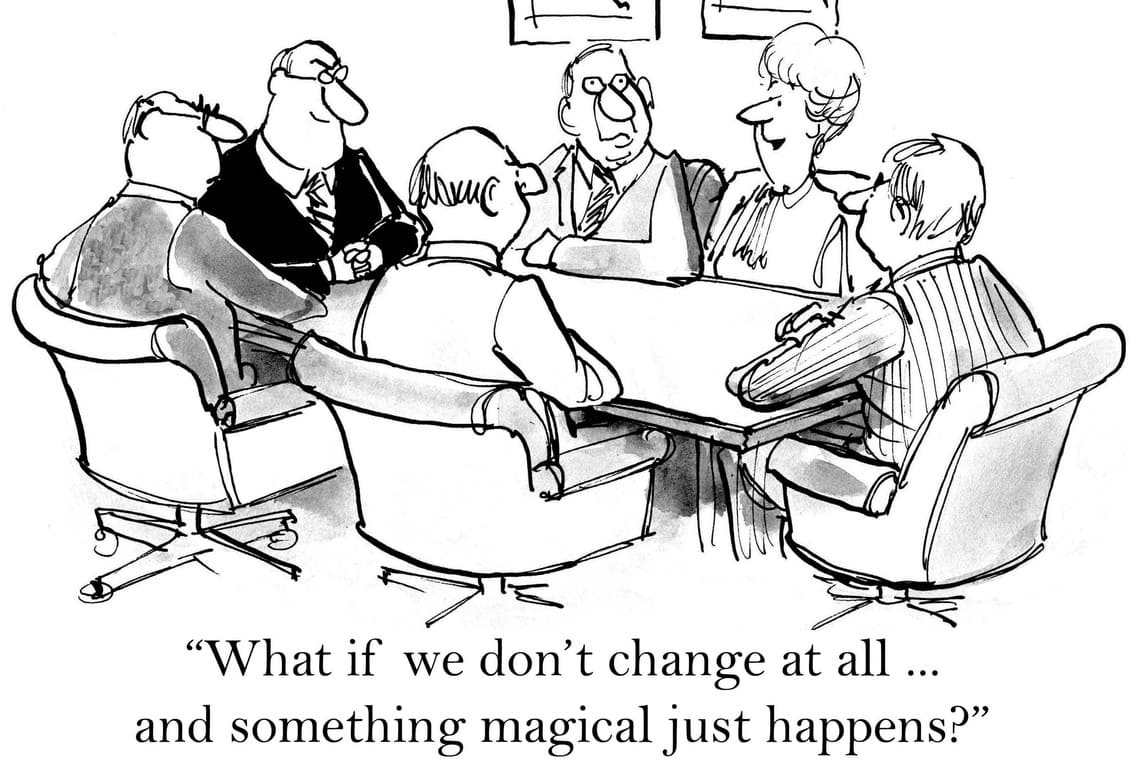
Reframing Workplace Safety as an Economic Strategy for the 2026 Budget
In just over a month, Treasurer Jim Chalmers will hand down the 2026 Federal Budget. While political attention will focus on cost‑of‑living pressures and international instability, the Budget also presents an opportunity to rethink how Australia could treat occupational health and safety (OHS) as an economic lever instead of just a business cost.

Legal advice is not always as helpful as it may seem
The risks of not managing psychosocial hazards at work were heightened when SafeWorkNSW issued a prohibition notice to the University of Technology Sydney (UTS) following allegations of potential psychological harm to staff associated with a restructuring strategy in September last year. The reactions included confusion and outrage at an occupational health and safety (OHS) regulator entering territory that has traditionally been ruled by Human Resources. Well, welcome to the new world of work and OHS.
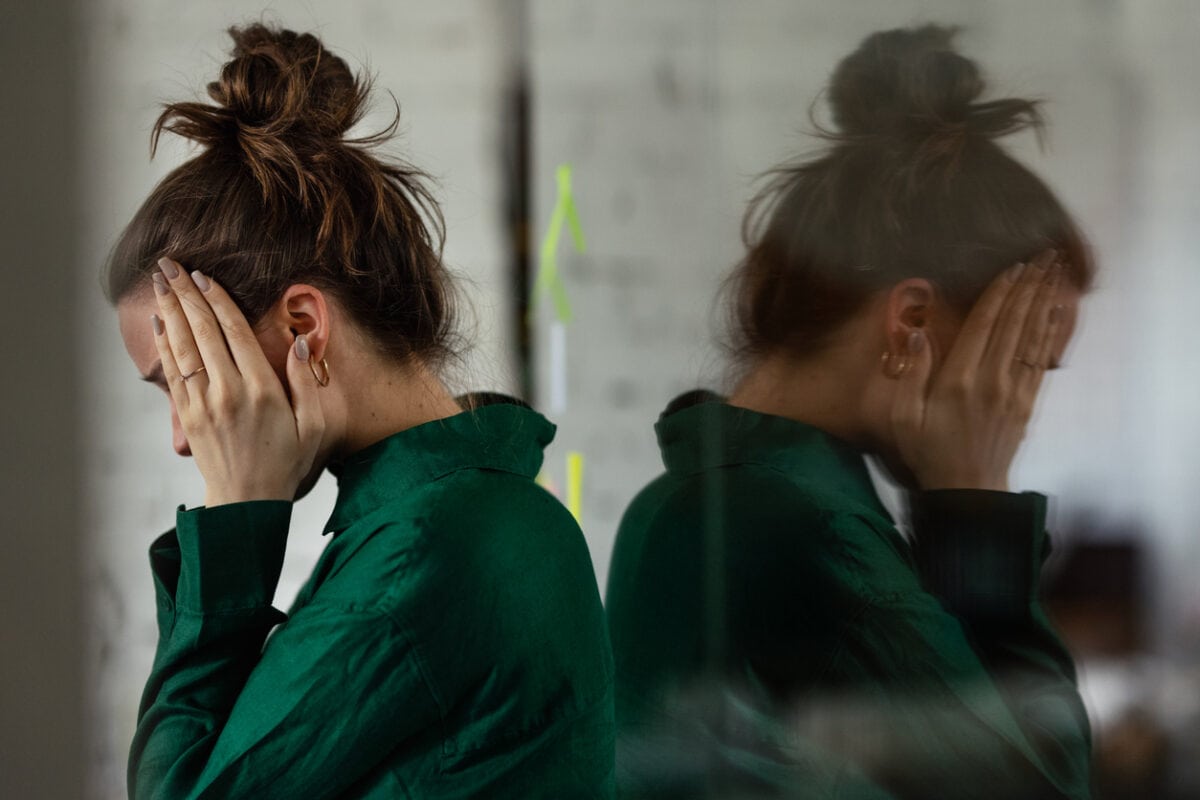
Unsafe Work is Almost Always Behind Burnout
Many articles about work-related burnout miss the occupational health and safety (OHS) point. On March 21, 2026, The Age published an article (paywalled) ostensibly about the benefits of disconnecting from phones and social media to combat burnout, improve mental health, and foster more meaningful, in-person connections. But the case it uses to make its point is also a case about the prevention of psychological harm at work.
Continue reading “Unsafe Work is Almost Always Behind Burnout”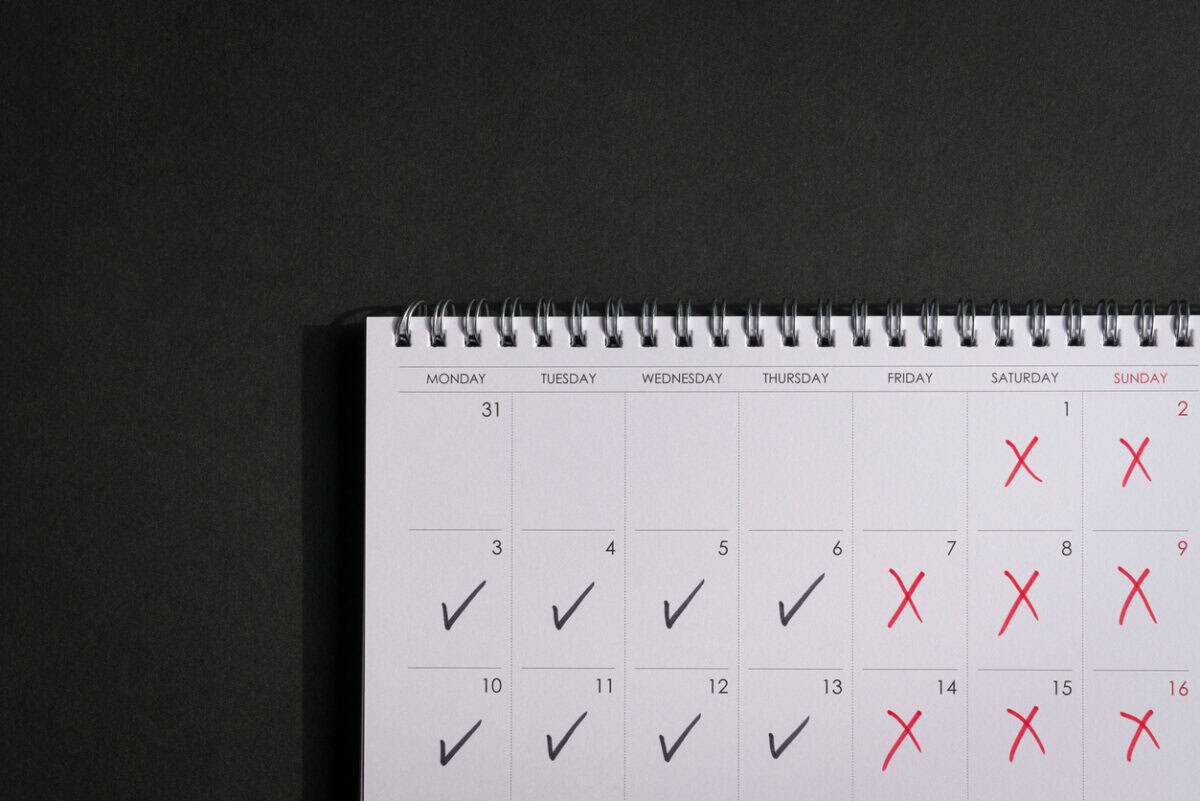
Evidence that the four-day work week provides psychological health benefits
Recently, I bemoaned the lack of evidence on the occupational health and safety (OHS) benefits of a four-day work week. A reader pointed me to the research of sociologist Wen Fan. The most accessible way to her research is through an episode of the “Psych Health and Safety Podcast” from September 2025.

If Doctors Need Humanities to Stay Human, What About Safety Professionals?
It is increasingly common in Australia to discuss the issue of moral injury as it relates to the psychological health of medical, emergency, and health sector workers. The obvious controls of work and job design apply, but the training process and eligibility for these professions may also be contributing factors.
One answer may be found in a branch of the Humanities, and a similar approach may help employers and executives better understand occupational health and safety (OHS) and psychological safety.
Poor Editing Undermines Good Safety Thinking
There is a strong trend among occupational health and safety (OHS) professionals and leadership coaches to self-publish books. Printing technology has made this much easier than previously. Artificial Intelligence will make it more so. The content might be okay, but many of these books need professional editing. Reading and learning are not just about the words on the page but also about the experience of reading a book that should become a treasured friend and a reliable reference.
Sadly, I recently purchased a book that is full of good intentions, but it’s not enjoyable.