Another business survey that (sort of) mentions OHS

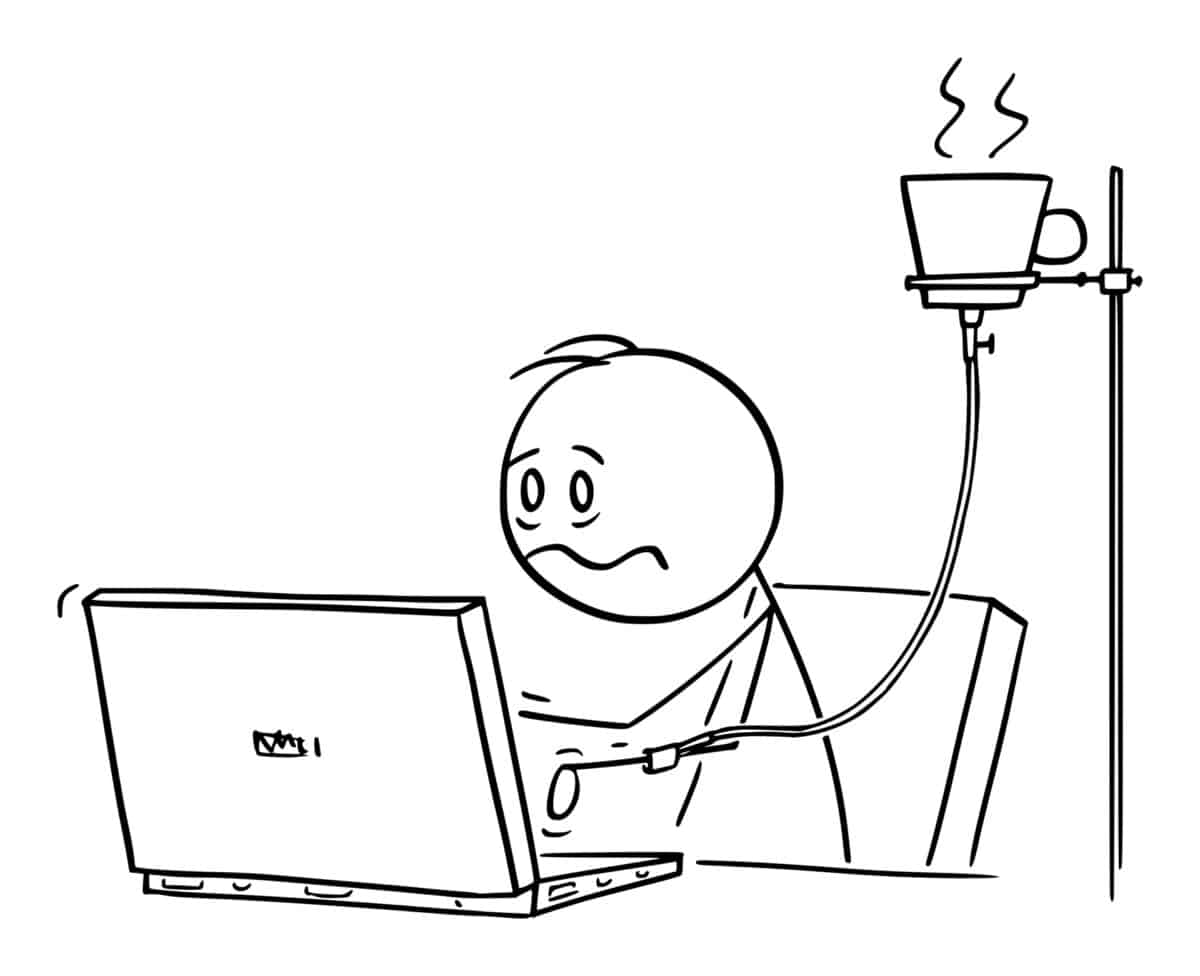
Much of the discussion about working from home (WFH) focuses on the number of workers in the office, at home or working a combination of both. The production issues of connection, collaboration, management supervision, and productivity are also the focus, particularly of media articles based on some small survey that is principally a marketing exercise. (The need to provide your contact details before downloading is a dead giveaway) However, occupational health and safety (OHS) occasionally garners a mention.

One recent example of this was an article in the United Kingdom’s The Telegraph, which also turned up last week in the Australian Financial Review.

Subscribe to SafetyAtWorkBlog to continue reading.
Subscribe Help
Already a member? Log in here

A management book that offers clarity and confidence

One of the most common complaints of newly graduated workers has been that although the university has provided a lot of knowledge, the courses are short on practical management skills. Occupational health and safety (OHS) is no different. One may learn about the social determinants of health but may have poor skills in managing or interacting with workers and colleagues.

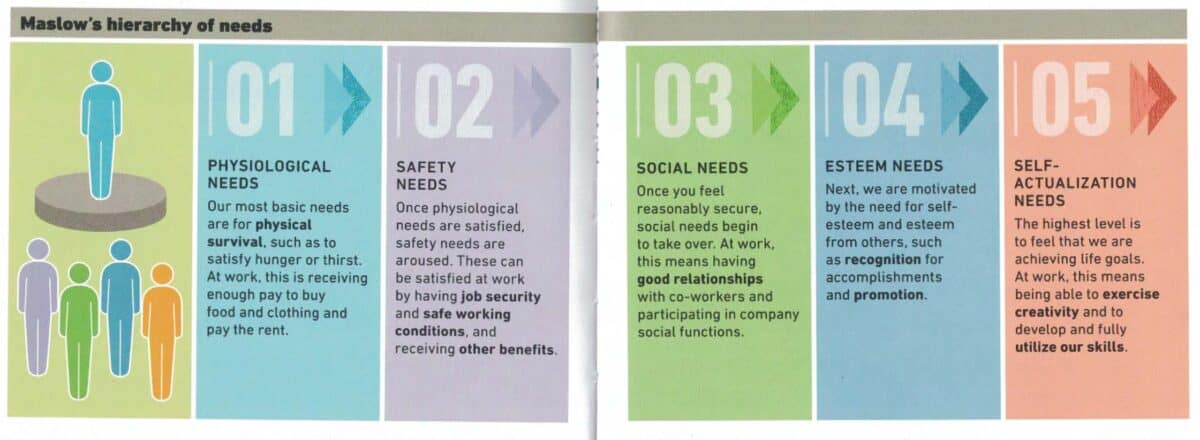
Many try to fill this knowledge gap by reading various management and leadership books. Many choose books from leading business schools like Harvard, but these books are often incompatible with the legislative and cultural requirements of Australia or other local jurisdictions. Sometimes it is time to read a book on the basic concepts, like the Essential Managers Management Handbook, published by Dorling Kindersley in 2022.

Subscribe to SafetyAtWorkBlog to continue reading.
Subscribe Help
Already a member? Log in here

Mental health at work –  “plus ça change, plus c’est la même chose”

Psychological health in the workplace seems to be a recent phenomenon because various Australian jurisdictions are strengthening prevention and management strategies through legislative amendments. This is supported by the World Health Organization’s definition of burnout as an occupational phenomenon. But psychological or psychosocial health and safety at work was a concern last century.  In fact, The Australian Psychological Society conducted the First National Conference on Occupational Stress in June 1994, and the book, edited by the late Dr Peter Cotton, based on the papers and presentations from the conference, remains remarkably topical and absent of the well-being language and spin that we have been exposed to since.

Subscribe to SafetyAtWorkBlog to continue reading.
Subscribe Help
Already a member? Log in here

The personal and cultural factors in work addiction

Recently this blog wrote about an article on the news website of the Australian Broadcasting Corporation concerning burnout. One of the people interviewed for the article was Sally McGrath, who responded to a series of questions put to her to clarify some of the workplace mental health issues raised.

SAWB: Did your three burnout experiences happen at the same workplace?

SM: Yes – this was a result of me taking on too much, and being “capable” is something that I believe can work both for and against a person. In my case (and many I see) always saying yes and being delegated work is where the burnout begins, you don’t want to be seen as not coping or capable. You also want to be seen as the “next in line for promotion” and saying no can work against you. 

Continue reading “The personal and cultural factors in work addiction”

Fool me once; shame on you. Fool me twice; shame on me. Fool me thrice?!

The Australian Broadcasting Corporation recently published a curious article about workaholism and burnout – the latter being an occupational mental health condition recognised by the World Health Organisation.

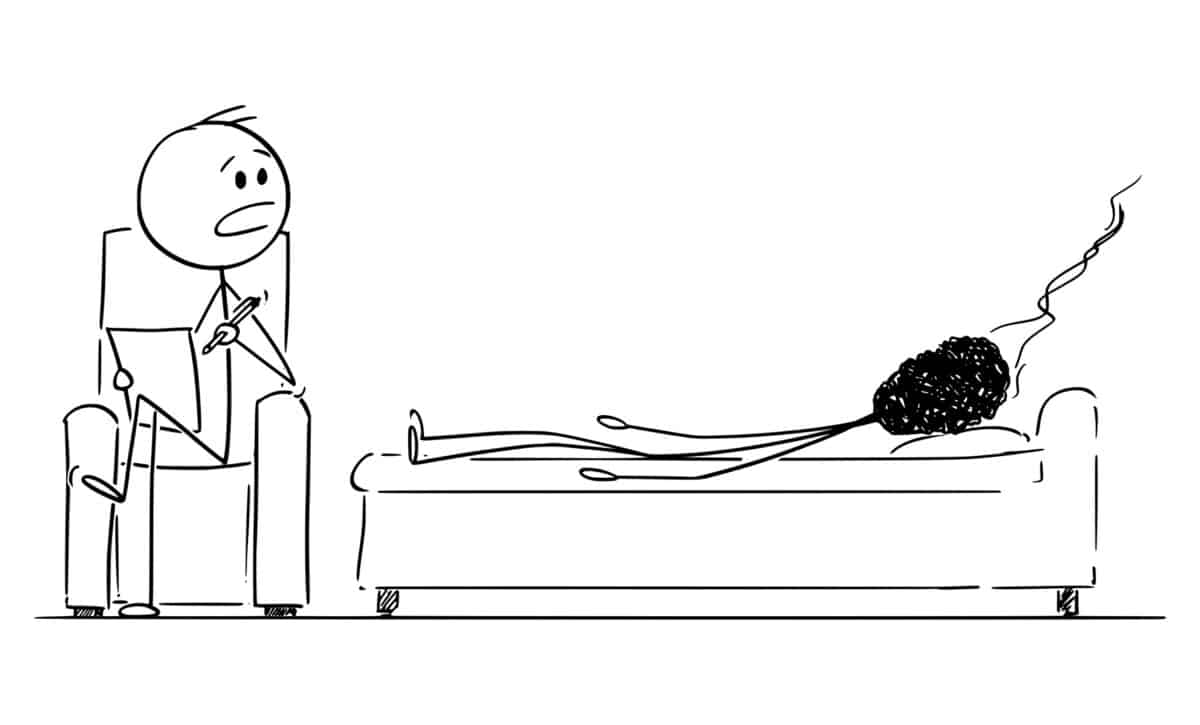
It is curious because the catalyst for the article, Sally McGrath, claims to have experienced burnout three times. Once is understandable as job stress can creep up on anyone. Twice should result in external assistance to investigate the work environment, work practices and personal mental health to identify contributory factors.  But the third time…??? Burnout is not something that is usually a repeated experience and its prevention may present a significant challenge for the occupational health and safety (OHS) profession and employers.

Subscribe to SafetyAtWorkBlog to continue reading.
Subscribe Help
Already a member? Log in here

A European counter to the United States’ OHS propaganda

One of the most useful occupational health and safety (OHS) publications is HesaMag, “the health and safety magazine with a European view”. (It is a hard copy, free and excellent. A must-have) Its latest edition has a feature on psychosocial risks (PSR) at work. I know that some of us are “over it”, but it is unavoidable and, as COVID did recently, may become the OHS matter that dominates our work. We must understand the risks to control them and prevent harm.

Anyway, back to HesaMag. One of its features is that much of its data relies on sources other than workers’ compensation and, so, is more accurate about trends. One example in the current issue, Pierre Bérastégui writes:

Subscribe to SafetyAtWorkBlog to continue reading.
Subscribe Help
Already a member? Log in here

Confusing positions on mental health at work

On March 28 2023, the Victorian Chamber of Commerce and Industry (the Chamber) issued an important media release called “Preparing for workplace psychological health reform”. As with most media releases related to occupational health and safety (OHS) matters, it received little attention.

Anton Zytnik a consultant for the Chamber, warned against “mental health washing”, but this media release also contains examples of avoidance and misdirection. And he’s not the only one.

Subscribe to SafetyAtWorkBlog to continue reading.
Subscribe Help
Already a member? Log in here
Concatenate Web Development
© Designed and developed by Concatenate Aust Pty Ltd