

Like many other countries, Australia’s political debate seems dominated by immigration issues. This week, after Federal Minister Tony Burke announced the government’s revised immigration policy, Queensland primary producer Joe Moro linked migration to occupational health and safety (OHS) and labour availability.
Category: WHS
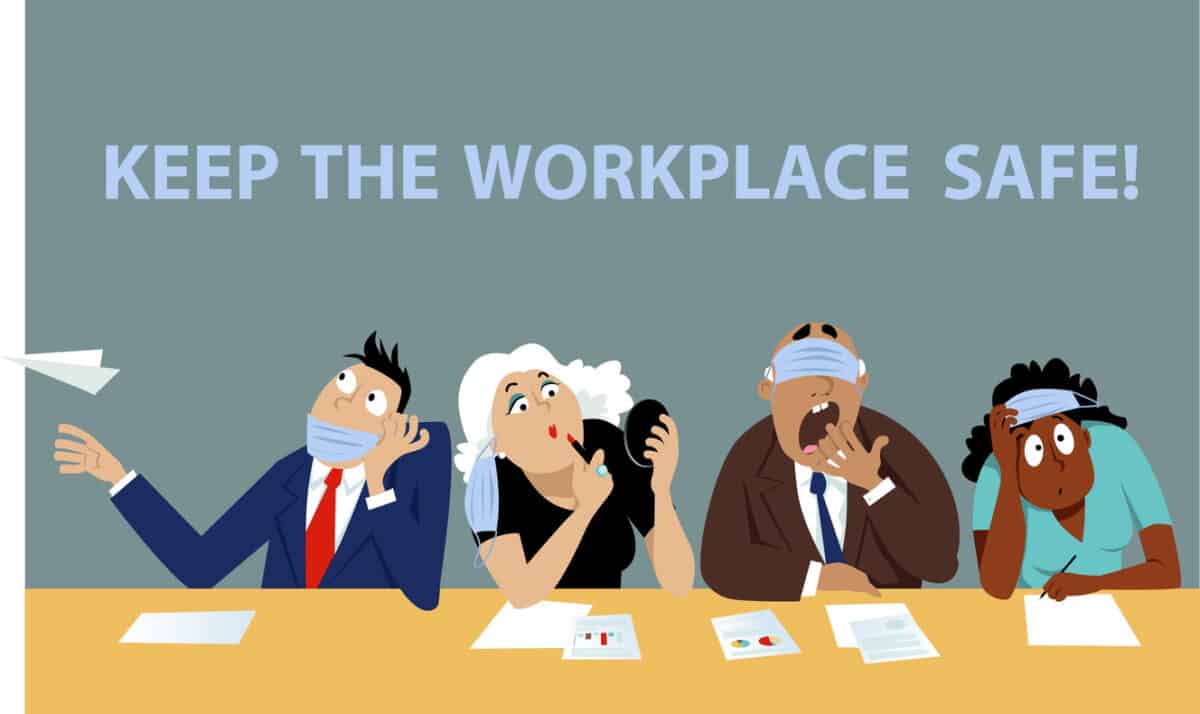
There is a Duty of Care But No Duty to Act
Australian work health and safety (WHS) law rests on the deceptively simple proposition that those who create or control risks must eliminate them, or reduce them so far as is reasonably practicable. It is a neat legal phrase that also hides much of the workplace reality.
Anyone who has spent time in workplaces knows how difficult it is. Most occupational health and safety (OHS) decisions are not reviewed by an inspector, challenged by a worker, or tested in court. They are made inside businesses, under commercial pressure, by people who may genuinely want to do the right thing but are also trying to meet production, budget and staffing demands. Too often, the employer’s view of what is “reasonable” becomes the working standard until something goes badly wrong.

Understanding How Work-From-Home Reshapes Psychosocial and Safety Obligations
Yesterday I posed the following questions for Victoria’s upcoming Parliamentary Committee inquiry into proposed work-from-home (WFH) laws.
- Does WFH increase or reduce psychosocial harm?
- Does WFH improve or worsen fatigue, workload, or burnout?
- Does WFH reduce commuting‑related risks (not just monetary costs)?
- Does remote work affect hazard reporting or supervision?
- Does WFH change the risk profile for vulnerable workers?
Below I offer some answers.
The Work-From-Home Right Meets Business Group Anxiety
Based on mainstream media reports of the working-from-home (WFH) debate in Victoria over the last few weeks, Victorian politics has fractured over the proposal to give most employees a right to work from home two days a week. The politics of the WFH initiative came to the fore, even if occupational health and safety (OHS) didn’t.
Psychosocial Safety Gets Serious When the Wellbeing Fluff Is Stripped Away
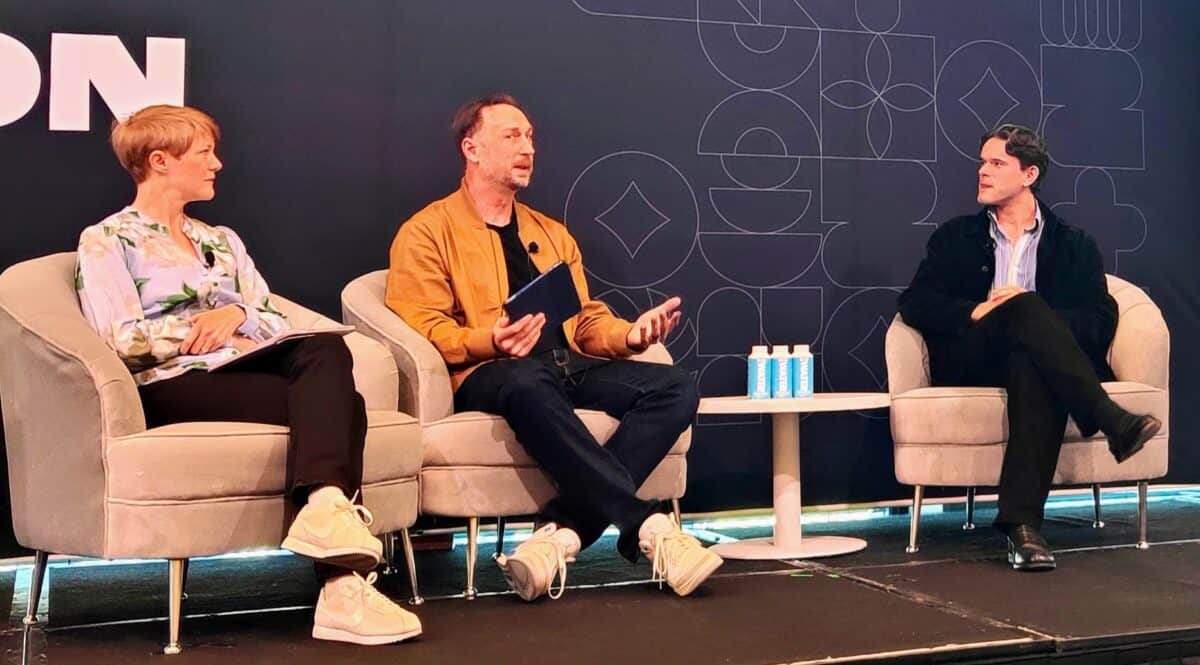
Day Two of PHSCon was likely to be uncomfortable. Day One covered context, community and curiosity. Day Two asked a more difficult question. Now that employers know more about psychosocial hazards, are they prepared to change how work is designed, managed and measured? The broad answer from the speakers and case studies was “not really”. Genuinely managing psychosocial hazards and psychological safety is not a wellbeing campaign, a mindfulness app, a webinar series or another glossy page on the intranet. It is occupational health and safety (OHS), and it requires the same attention to hazards, controls, governance, and review that employers claim to routinely apply to physical risks.
Rediscovering the “Radical” Power of Ordinary Conversation
Day one of PHSCon felt less like the unveiling of a new paradigm and more like a reminder that the fundamentals of good work have been obvious for a long time. The opening session positioned the conference as part of a broader push to move beyond bare compliance and towards more humane, evidence‑based ways of organising work. Conference chair and author Dr Kat Page set the tone by describing how her book Good Work emerged from watching COVID‑era decisions about job design, workload and leadership either amplify or buffer psychological harm. She framed both the book and the conference as an attempt to offer collective agency and hope, a space where practitioners, leaders and academics could connect stories, research and practice in ways that make better work design feel possible rather than theoretical. Conference delegates received a free copy of the book.
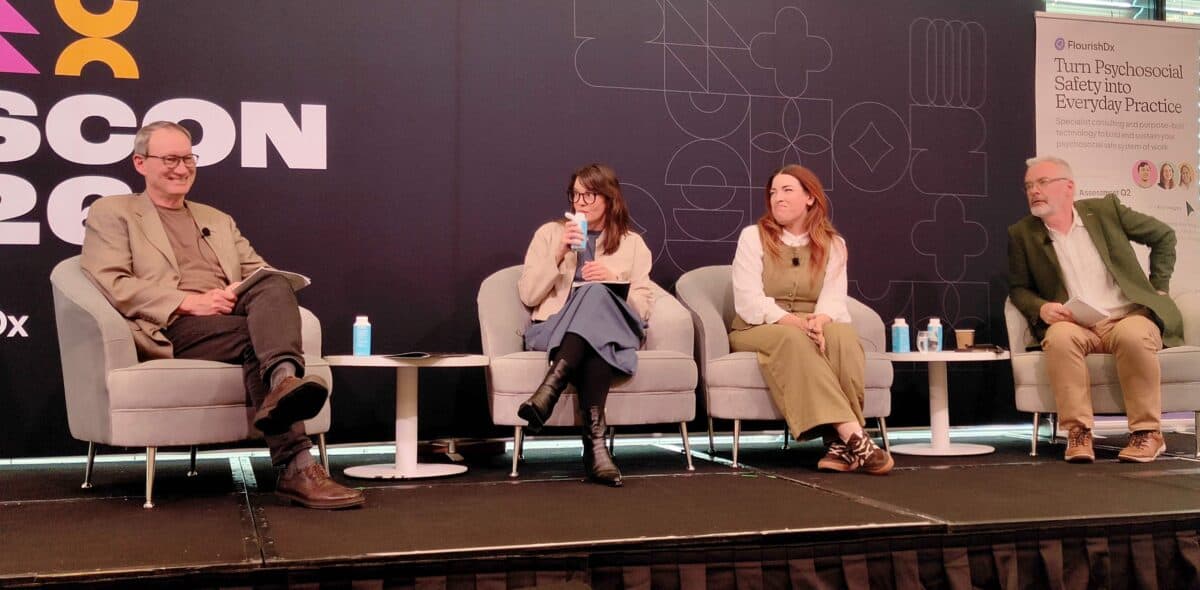
WorkSafe Victoria’s Evolving Regulatory Message on Mental Health
Across her 2024 and 2026 appearances at the Psych Health and Safety Conference, WorkSafe Victoria’s Amy Salmon’s message about psychosocial regulation in Victoria has shifted from explaining that psychosocial and psychological obligations exist to showing how compliance works in real life. The shift is subtle but important. In 2024, she was still fighting the battle of psychosocial legitimacy, pushing back against employers waiting for “the regs,” while by 2026 she was focused on operational detail, inspector capability and what reasonable compliance looks like in real workplaces.