
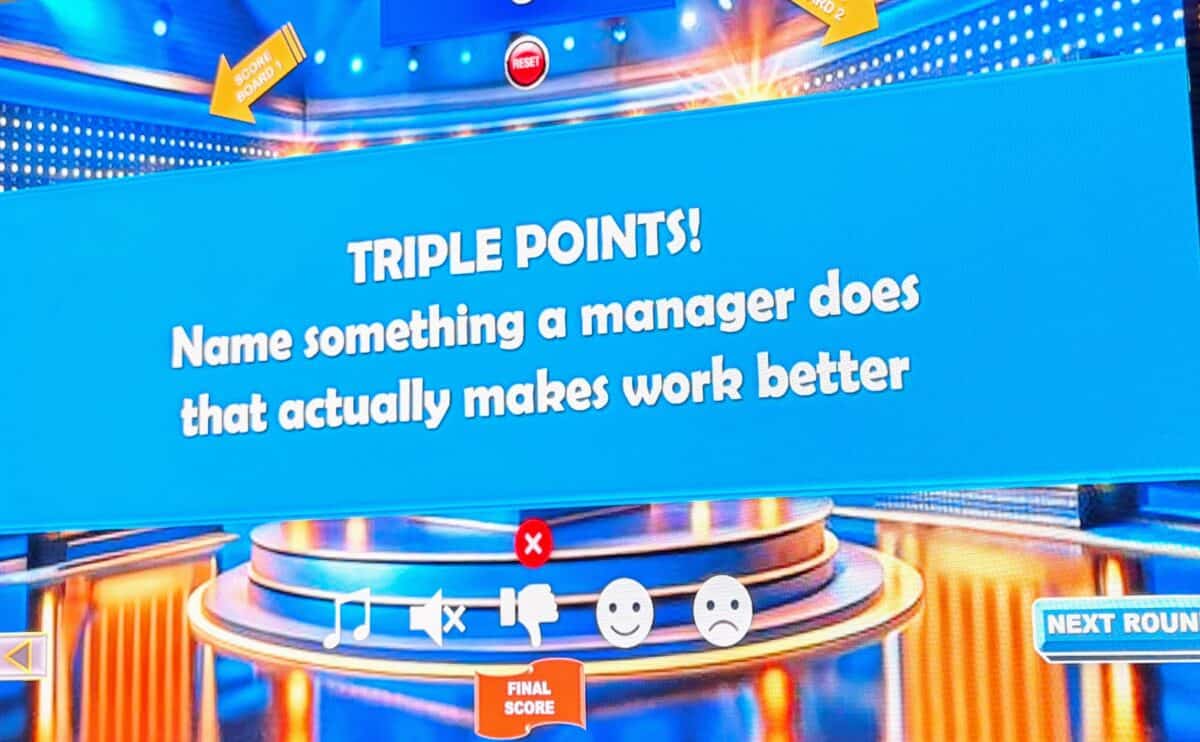
Day 1 of FlourishDx’s Psych Health and Safety conference ended this year with a flourish, featuring a Family Feud-style contest between Occupational Health and Safety (OHS) and Human Resources (HR). It was a raucous conclusion to a day of mixed safety messages.
Category: WHS

The EU’s New Psychosocial Proposal Puts Australia on Notice
Australia often positions itself as a leader on psychosocial hazards and occupational health and safety (OHS). A new proposal from the European Parliament (EP) provides a contrast.
Australia’s Migrant Majority and the New Realities for OHS
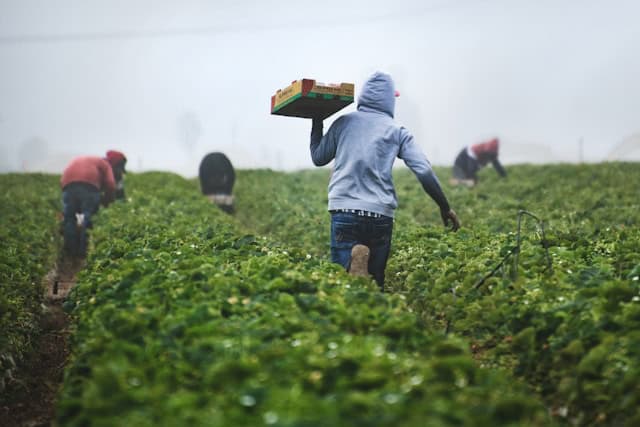
Australia is living through a demographic and economic shift that is far more consequential for workplace safety than most organisations or regulators have acknowledged. George Megalogenis’ new book, Three Shocks, identifies three structural changes reshaping the nation: Australia is now a majority‑migrant country; professional women have overtaken blue‑collar men as the largest occupational group; and the geopolitical environment that once provided stability has become unpredictable. These shocks are lived realities in workplaces, and they demand an occupational health and safety (OHS) overhaul.
Trade unions, OHS and the hard question of representation
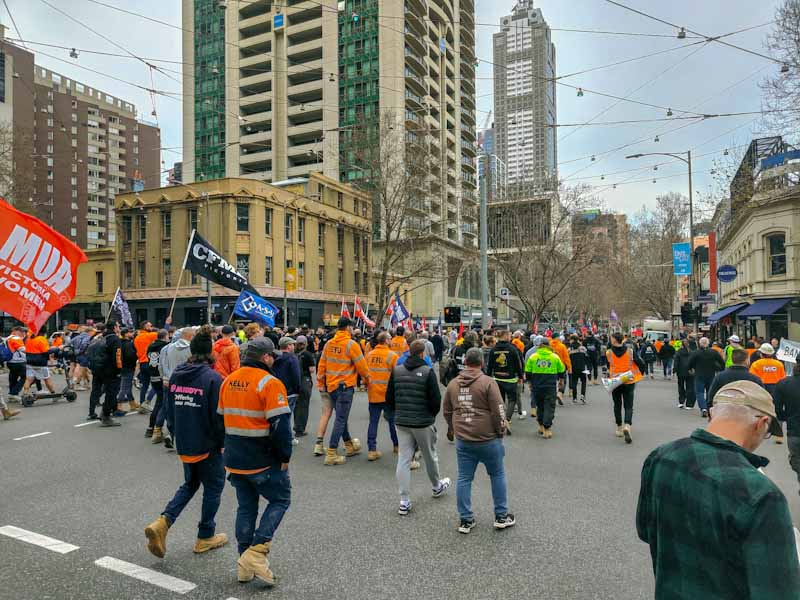
Trade unions have always had a substantial role in Australian occupational health and safety (OHS), particularly in the construction industry. That role should not be dismissed, minimised or romanticised. The history of union involvement in workplace safety is one of pressure, persistence and, at times, confrontation. But the more difficult question is whether trade unions should automatically control worker representation on health and safety matters. The answer is not as simple as many union advocates would like.

Systems Thinking Remains the Blind Spot in Australia’s Leadership Conversation
Australian employers keep saying they’re improving how they manage mental health at work, yet the basic problem remains: HR and OHS still operate in silos. You can see it in every psychological injury case where HR handles the person, and OHS handles the paperwork, but no one fixes the work. A recent episode of The Caring CEO featuring a conversation between Graeme Cowan and Kat Page showed how close we are to integrating people management and work design — and how far we still have to go.

What’s it like living and working on a Pacific Island?
For the last 5 months I have been living and working on Norfolk Island, an external territory of Australia, three hours by plan off the east coast of Australia. I am on a 6-month contract which concludes in just over a week.
I have written regularly over the psychological impacts of Fly-in, Fly-Out (FIFO) workers and looked at this contract as an extreme example of working away from home and being isolated from friends and family. So how do I think I have coped?

The Royal Commission Needs Strong Consideration of OHS Actions and Consequences
The Victorian Government, under its new leader, Ben Carroll, has announced the “Royal Commission into the Integrity of Major Public and Civil Infrastructure Construction Projects in Victoria“. The Terms of Reference (ToR) have largely been praised for their breadth, but do they have any occupational health and safety (OHS) relevance? Early reporting of the government’s announcement often mentioned that the
“…lawful, legitimate and appropriate actions taken by parties under occupational health and safety laws and regulations.”
But there is more to consider.