Pimp your administrative controls

Safety risks increased, or created, by distraction are a problem as relevant to occupational health and safety (OHS) as it is across society. There are analogue solutions – remove the distracting devices – and technological solutions that are often embedded in the distracting device. Sometimes there are other solutions and one is being trialled at a small intersection in Melbourne.

These illuminated tactile pavers have been embedded in the footpath applying the logic that as people are looking down at their phone screens, a bright contrasting floor level background should attract their attention. These footpath lights are synchronised with the pedestrian traffic lights, basically bringing the traffic signals within the peripheral vision of pedestrians.

Several variations on this concept have been trialled around the world for traffic and pedestrian control but they may be more usefully applied in some workplaces, especially where passive hazard signs have become normalised.

Continue reading “Pimp your administrative controls”
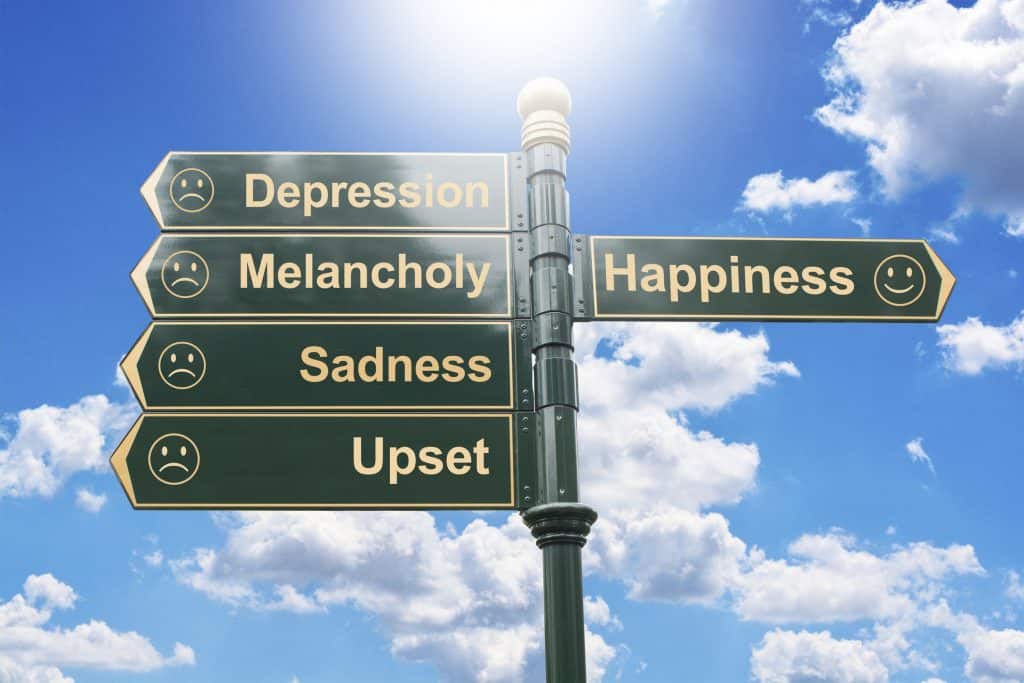
Caution. Misery (and Enlightenment) Ahead.

Having been born in the north of England, I enjoy watching movies and TV shows from there, even though I need subtitles sometimes. As a child watching Ken Loach’s film Kes for school, I thought that I could easily have been that kid standing in a cold muddy soccer pitch on an estate not far from our commission house. (I have been told our previous house was demolished because it was in a block of slums) So Loach’s latest film sounded interesting and given that it depicted life in the precarious and “gig” economy, I recently joined the hundreds in the audience at the Melbourne International Film Festival to watch “Sorry We Missed You”.

I really enjoyed the film but found the story very upsetting. It’s taken me almost a week to starting writing this article and the trailer still makes me cry, so I am split on whether to recommend you see the film.

Continue reading “Caution. Misery (and Enlightenment) Ahead.”

Fence or Ambulance?

The other week Lucinda Brogden, one of Australia’s Mental Health Commissioners participated in a three day suicide prevention conference, concluding the week as a keynote speaker at an occupational health and safety (OHS) seminar. Her commitment to keep focusing on the prevention of harm made her a comfortable fit for the largely OHS audience. Hopefully her influence is big on the Australian mental health policy makers.

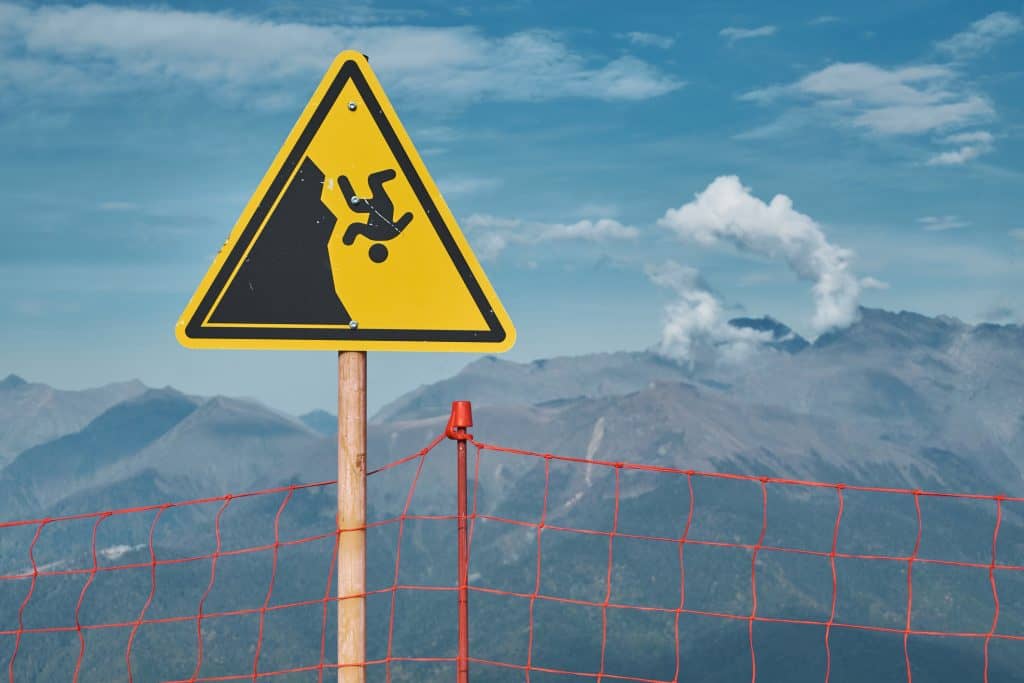
Brogden reminded the audience of an 1895 poem by Joseph Malins which discusses the prevention of harm through the analogy of putting a fence at the cliff edge to stop people falling rather than having an ambulance at the bottom of the cliff to collect the dead and injured. It is unlikely that Malins was thinking of workplace safety with this poem but, as a temperance activist, it is certain he was thinking about health. Regardless, the imagery is a useful and simple illustration of the advantages in the prevention of harm, and not just in relation to mental health.

Subscribe to SafetyAtWorkBlog to continue reading.
Subscribe Help
Already a member? Log in here

Suicide prevention at Victoria’s Royal Commission

The Royal Commission into Victoria’s Mental Health System began the first of a couple of days focusing on suicide prevention by reminding the audience that there are three kinds of interventions:

  • Universal – population level wellness
  • Selective – those who have suicidal thoughts and behaviours
  • Indicated – those who are engaging in suicidal behaviour

Occupational health and safety (OHS) concerns about harm prevention overlap with each of these to some extent, but the approach with the most opportunity for the prevention of harm is likely to be in Universal intervention. SafetyAtWorkBlog looked for discussion of work-related harm and interventions in yesterday’s Public Hearings.

Subscribe to SafetyAtWorkBlog to continue reading.
Subscribe Help
Already a member? Log in here

Identifying work-related mental health

Recently the Medical Journal of Australia published new guidelines for general practitioners (GPs) on how to identify work-related mental health conditions (MHC). This is vital information as GPs are often the first opportunity where mental health conditions can be identified or confirmed. It also assists occupational health and safety (OHS) professionals by acknowledging the role of work in the positive and negative mental health of workers.

Subscribe to SafetyAtWorkBlog to continue reading.
Subscribe Help
Already a member? Log in here

Medical and OHS sectors must start speaking the same language on mental health

For many years, the Australian medical has been supportive of a “Health Benefits of Good Work” (HBGW) initiative. This initiative, started in 2010, is directly relevant to how Australia is determining its mental health policy and strategies especially as they relate to workplaces. The initiative was developed by:

“…. the Australasian Faculty of Occupational and Environmental Medicine (AFOEM) of The Royal Australasian College of Physicians (RACP). This initiative is based on compelling Australasian and international evidence that good work is beneficial to people’s health and wellbeing and that long term work absence, work disability and unemployment generally have a negative impact on health and wellbeing.”

This initiative can be seen behind many of the public statements about the mental health status of the unemployed as this sits within the public health and the social welfare sectors, but it is rarely mentioned by those providing occupational health and safety (OHS) advice.

Subscribe to SafetyAtWorkBlog to continue reading.
Subscribe Help
Already a member? Log in here

Two new workplace health and safety feature films

Every year the Melbourne International Film Festival seems to include a couple of new films related to workplace health and safety issues. This year’s festival opens in August 2019.

One film about slavery in the South East Asia fishing industry is Buoyancy, an Australian film having its world premier in Melbourne.

Another is the Ken Loach film “Sorry We Missed You” which provides an intense and personal look at what it means to be working in precarious jobs and the gig economy.

Kevin Jones

Concatenate Web Development
© Designed and developed by Concatenate Aust Pty Ltd