Burnout, self-advocacy and more

SafetyAtWorkBlog’s initial approach to Justine Alter, Psychologist and co-director of Transitioning Well. on the prevention of Burnout illicited the following response. It deserved further exploration so Alter was sent a further set of questions leading to useful answers.

“Prevention strategies are considered to be the most effective approach for addressing workplace burnout, and there are a number of things that workers can do to minimise the risk:   

– Recognise the importance of a work-life balance ensuring that you get some recovery time
– Prioritise your time. Identify what is important, what can wait, and what can be delegated to others
– Self-advocacy. This can be difficult, however thinking about the importance of your mental and emotional health may help you advocate better for yourself
– Lead by example: utilise any flexible leave policies and opportunities that your company may provide
– Remain aware of resources that are available through your workplace – EAP, counselling, etc.  Consider making these resources available if they aren’t already.”

Continue reading “Burnout, self-advocacy and more”

Make sure you are serious about deeper and better thinking on workplace mental health

In October 2018, the Australian Financial Review (AFR) reported (paywalled) on an occupational health and safety (OHS) investigation into overwork and staff fatigue being conducted by WorkSafe Victoria. The AFR has followed this with a report on June 6 2019 (paywalled) by its Legal Affairs Editor, Michael Pelly. It is a positive article about how the law firm, King, Wood & Mallesons (KWM) has improved its OHS performance since October last year. However there is much between the lines that hints at the OHS approach used and how limited it is.

Subscribe to SafetyAtWorkBlog to continue reading.
Subscribe Help
Already a member? Log in here

What does the recent election result mean for workplace health and safety?

This article was written after a request from the Safety Institute of Australia and distributed to its members on June 4, 2019. Some additional links have been added.[If you want exclusive OHS-based articles, contact Kevin Jones directly]

So, the Australian Labor Party (ALP) did not win the Federal Election that most people expected it to win.  As a result, Australia is likely to NOT see, at a national level:

  • “a harmonised industrial manslaughter offence”,
  • An implementation of all of the recommendations of the Boland Report, nor
  • “a national advisory committee made up of representatives from each state and territory who have been personally impacted by a serious workplace injury or death to develop recommendations for federal, state and territory governments to act upon.”
Subscribe to SafetyAtWorkBlog to continue reading.
Subscribe Help
Already a member? Log in here

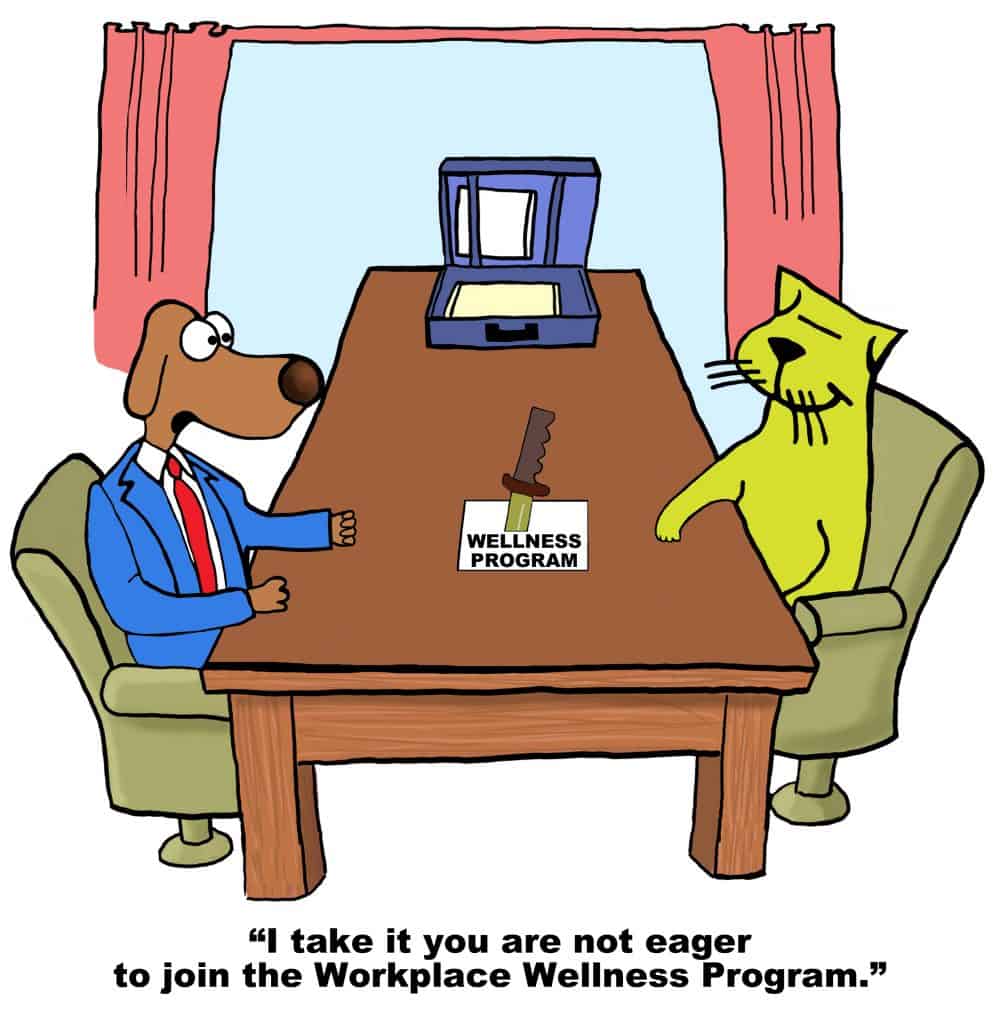
Doubts raised over the value of workplace wellness programs

In some Australian workplaces, wellness programs seem to be a dominant interpretation of occupational health and safety (OHS). This is being encouraged through the support of the OHS regulatory agencies. According to one expert, the benefits of workplace wellness programs remain under-researched and what research there is requires validation. Recently Zrui Song of Harvard Medical School said this to the ABC’s Norman Swan:

“There has been a couple of decades of evidence, largely observational in nature, studies that are from single institution or single workplace interventions focused on workplace wellness. And by and large this body of evidence has suggested that the return on investment for workplace wellness programs can be quite large. However, this body of evidence has been limited. They have been limited by the ability to show causal effects of workplace wellness programs…”

Subscribe to SafetyAtWorkBlog to continue reading.
Subscribe Help
Already a member? Log in here

OHS is largely overlooked even on its special day

The mainstream media did cover the Australian Labor Party’s statement about workplace safety and industrial manslaughter laws. These issues also featured, unsurprisingly, in some of the commemorations on International Workers Memorial Day. But the issue was largely left floating, irretrievable in the political swimming pool.

David Martin-Guzman, writing for the Australian Financial Review (AFR), painted the ALP announcement as advocating on behalf Australia’s most militant trade union, the Construction Forestry Mining Maritime and Energy Union (CFMEU). This approach sadly places any OHS activity purely in the context of industrial relations. That is likely placing OHS as only part of Human Resources. OHS is its own profession, has its own principles and is supported by its own legislation and government regulator.

Subscribe to SafetyAtWorkBlog to continue reading.
Subscribe Help
Already a member? Log in here

The politics of safety

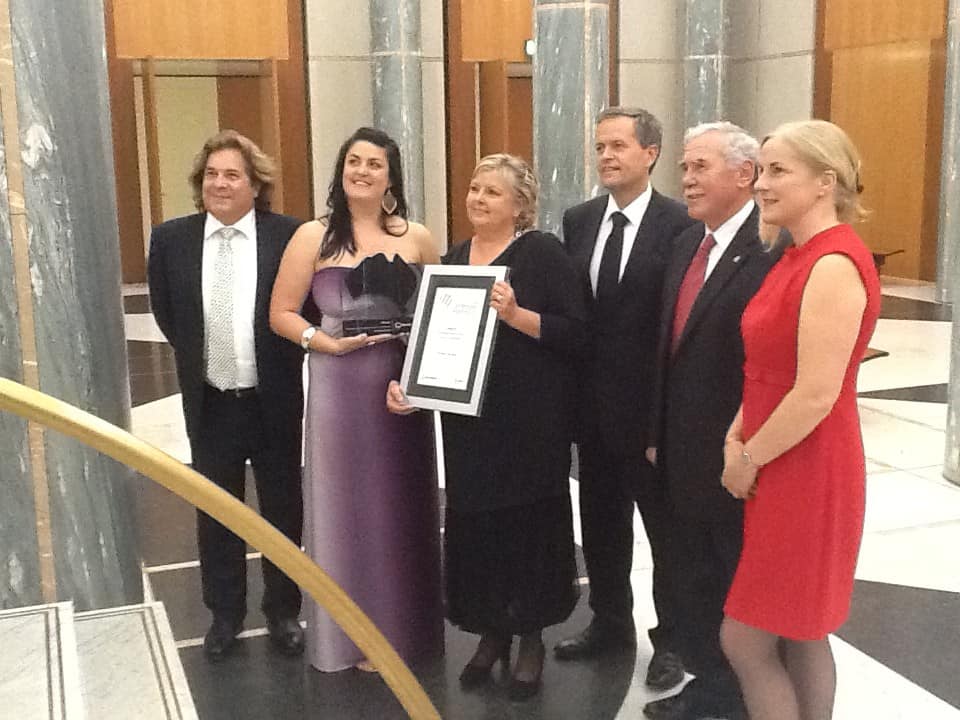
Bill Shorten third from the right at the 2012 Safe Work Australia awards in Parliament House Canberra

There is little doubt that Opposition Leader, Bill Shorten, believes that occupational health and safety (OHS) is important. His interest was on show, perhaps most significantly, during his time as a union leader at the Beaconsfield mine disaster but he has spoken at various OHS awards, the opening of the National Workers Memorial, local memorials, and was a participant in the Maxwell Review of Victoria’s OHS review in 2006.

OHS has not appeared yet in the current Federal Election campaign. It rarely does. But there is an opportunity to argue that the Australian Labor Party (ALP), of which Shorten is the leader, will not only create more jobs for Australian but that they will be safe jobs. To an OHS professional, it seems to be a simple position, a position that is extremely difficult to argue against. However, the politics of safety in Australia cannot be separated from the role and activities of the trade union movement. Yet, OHS is not just a union challenge, it is relevant to all workers and their families, but only the trade unions seem to have an OHS voice. Letting this situation continue is not sustainable.

Subscribe to SafetyAtWorkBlog to continue reading.
Subscribe Help
Already a member? Log in here

The dicks are swinging over OHS

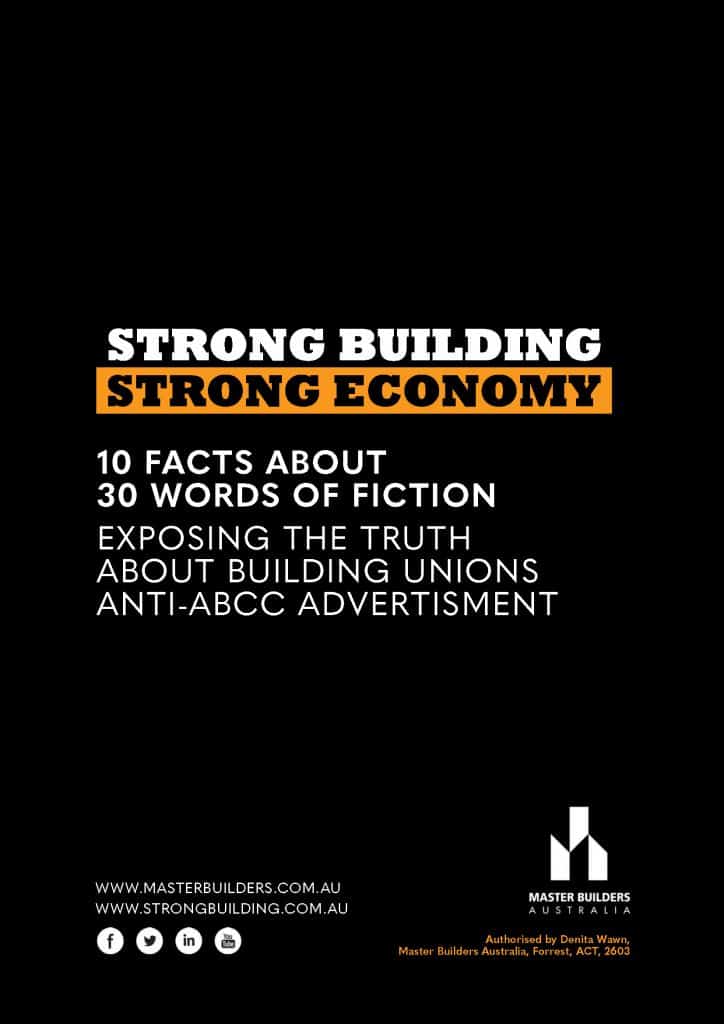
A couple more election campaign publications and statements have appeared in relation to occupational health and safety (OHS), one by the Institute of Public Affairs (IPA) and another in response to some advertising by the Construction Forestry Mining Maritime and Energy Union (CFMEU) released by the Master Builders Australia (MBA).

Institute of Public Affairs

There is nothing in the IPA report “20 policies to fix Australia” that directly relates to OHS, but there is a continuance of the desire for less “red tape”, a desire that has often mentioned OHS regulations and licencing as examples. The IPA says:

Subscribe to SafetyAtWorkBlog to continue reading.
Subscribe Help
Already a member? Log in here
Concatenate Web Development
© Designed and developed by Concatenate Aust Pty Ltd