Quinlan’s time capsule includes useful OHS perspectives

Professor Michael Quinlan has been writing about occupational health and safety (OHS) and industrial relations for several decades. His writing has matured over that time as indicated by his most recent book, Ten Pathways to Death and Disaster.  In 1980, one of his articles looked at OHS through the prisms of Capitalism and Marxism.  It is remarkable how much an article that was written early in Quinlan’s career and at a time when OHS was considered another country remains relevant today.  This perspective contrasts strongly with the current dominant thinking on OHS and as a result sounds fresh and may offer some solutions.

In Quinlan’s 1980 article, “The Profits of Death: Workers’ Health and Capitalism”*, he writes that

“contrary to popular belief there is no objective irrefutable definition of illness”.

This could equally be applied to safety.  But searching for THE definition of things can lead to everlasting colloquia of academic experts without helping those who need to work within and apply safety concepts.
Subscribe to SafetyAtWorkBlog to continue reading.
Subscribe Help
Already a member? Log in here

Road safety needs a systems approach to investigations

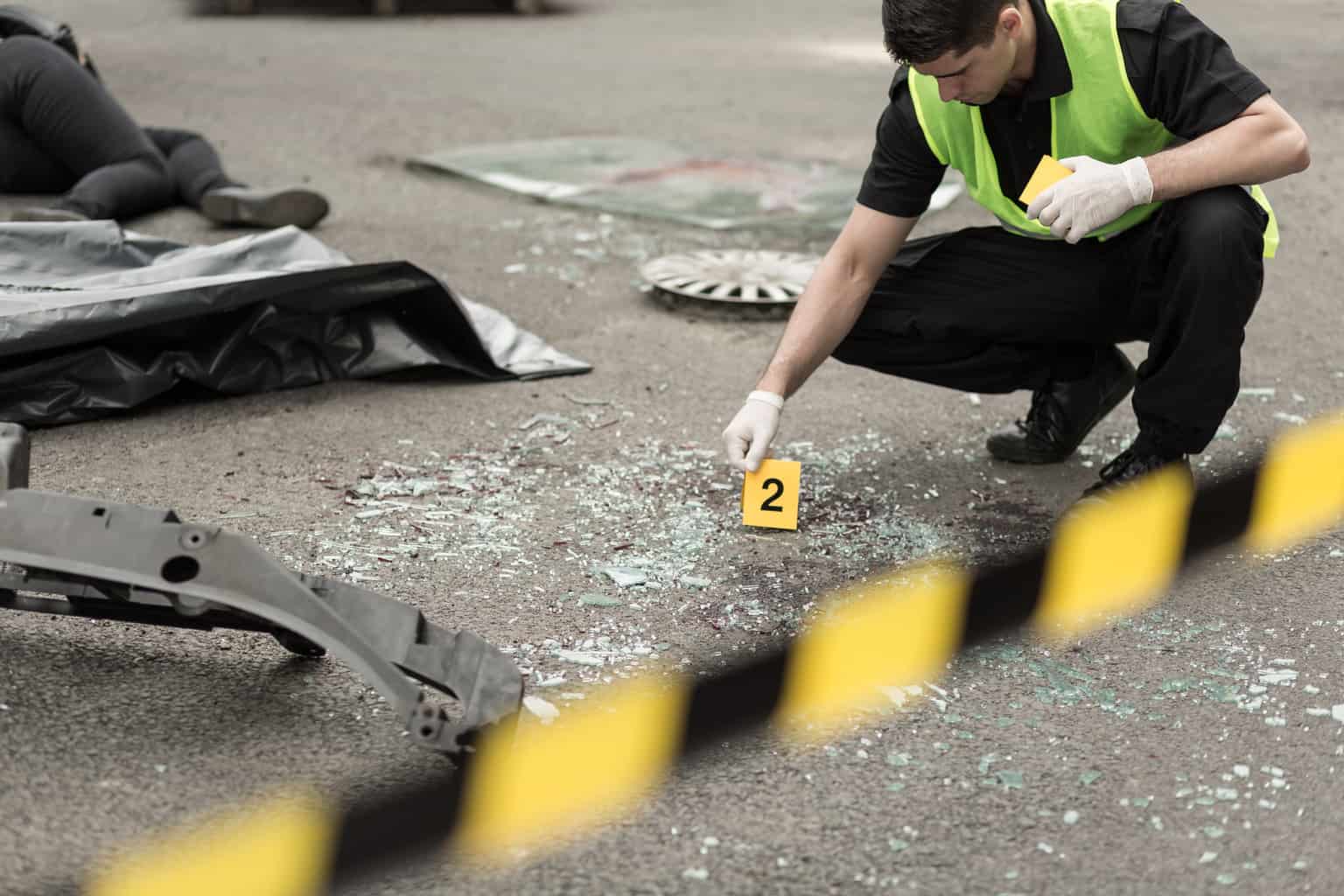
A company vehicle is a workplace.  This is not a radical statement, or shouldn’t be.  A worker driving the company vehicle is at work, transporting themselves or some goods somewhere as part of the work process. Yet most traffic accidents in Australia are not assessed to determine whether they are work-related and action is rarely taken by the occupational health and safety (OHS) regulators who seem comfortable with their secondary information gathering role in traffic accidents.

With the failure of the trade union movement’s efforts to maintain the existence of the Road Safety Remuneration Tribunal, others are stepping up pressure on Australia’s government to address some traffic accidents as work-related. And there is some important local independent research that seems to support this push.

Subscribe to SafetyAtWorkBlog to continue reading.
Subscribe Help
Already a member? Log in here

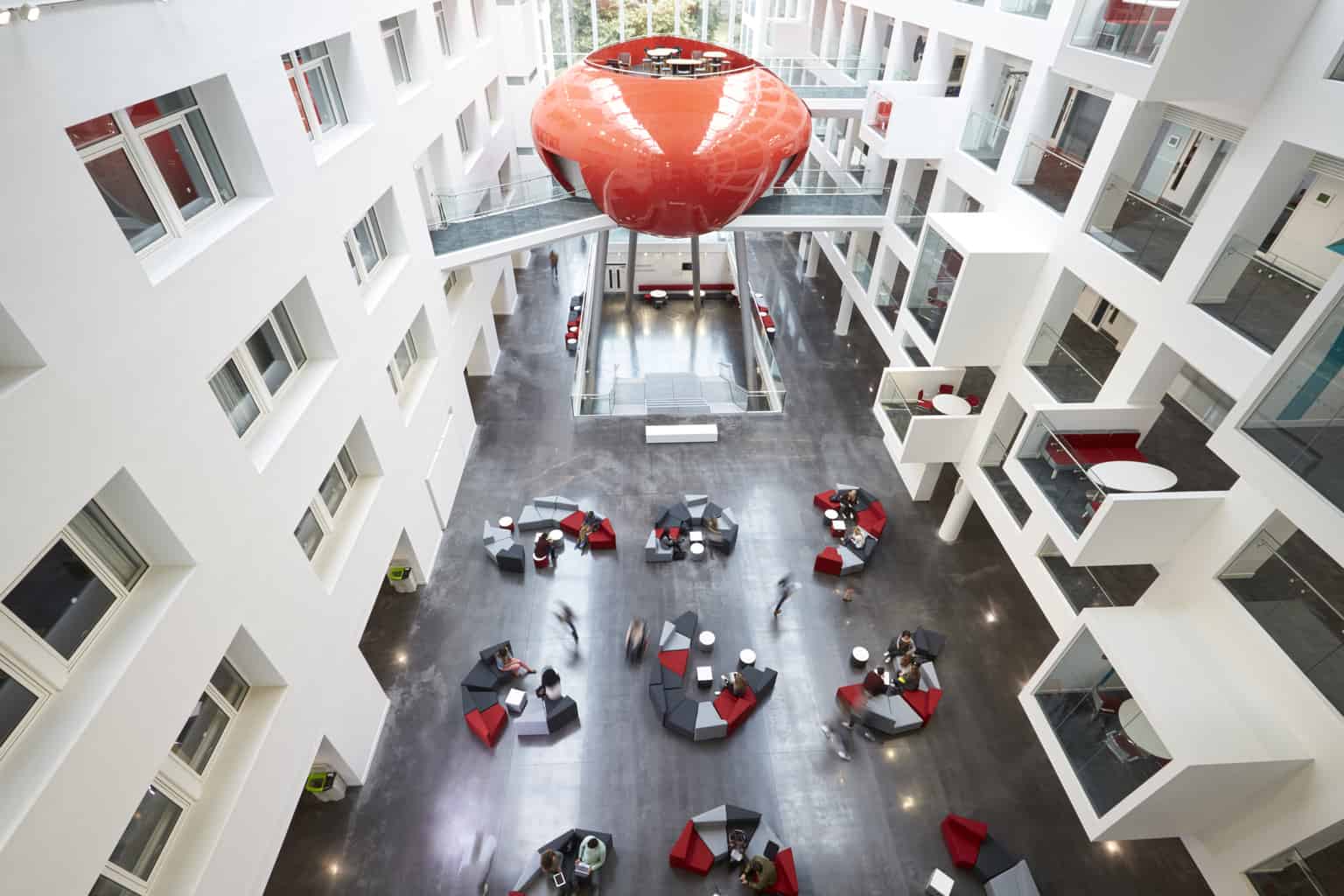
Do open plan offices and sit/stand desks create as many problems as they solve?

The mainstream media regularly includes articles and, increasingly, advertorials, about the modern workplace, usually office buildings, that are designed to foster creativity, communication, productivity and improve physical health.  In many of these workplaces, it quickly becomes apparent that there are never enough meeting rooms for confidential discussions, making the coffee shop in the foyer or a nearby building, essential venues for conversations that would, in the past, be conducted in an office.

It also does not take long for a lot of the workers to be at their desks wearing earbuds or headphones in order to negate the noise that the modern workplace allows and creates.  This need for isolation and concentration is contrary to the intentions of the office designers.  It is not simply a reflection of the modern ipod technology but a human desire for privacy, focus, diligence and productivity.  New research  seems to indicate that the situation is not helped by sit/stand desks.

Subscribe to SafetyAtWorkBlog to continue reading.
Subscribe Help
Already a member? Log in here

Managing safety on a high risk TV program

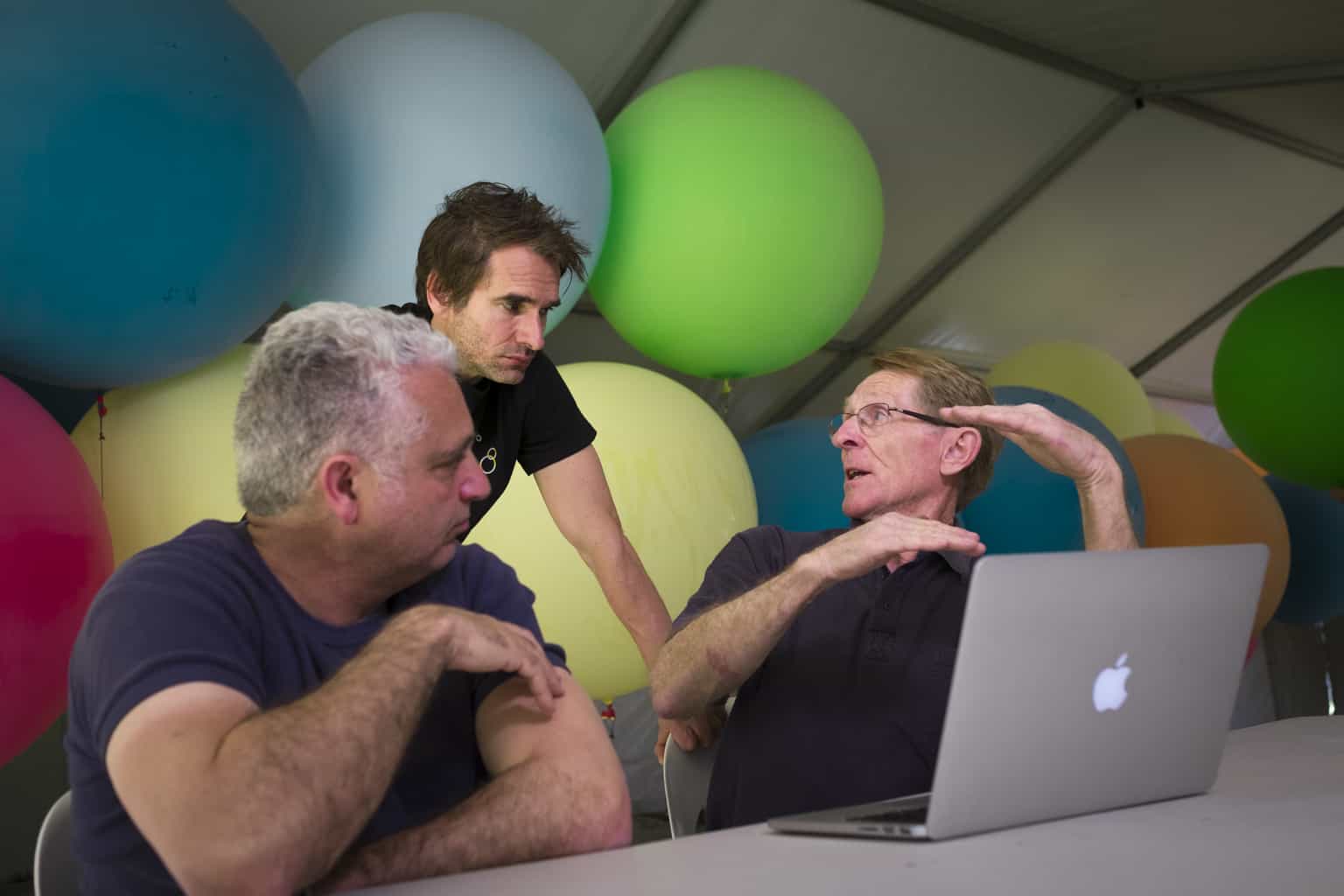
Roger Graham (left) and Todd Sampson talking safety

Todd Sampson has created a niche in Australian television by challenging himself in mental and physical tasks.  His latest program is “Life on the Line“. What is intriguing about this type of TV program is how occupational health and safety (OHS) is managed in a way that does not impede the aim of the show.

SafetyAtWorkBlog spent some time with the safety adviser on the show, Roger Graham, to better understand the demands of advising film and TV productions on workplace safety.  The exclusive interview is below.

Subscribe to SafetyAtWorkBlog to continue reading.
Subscribe Help
Already a member? Log in here

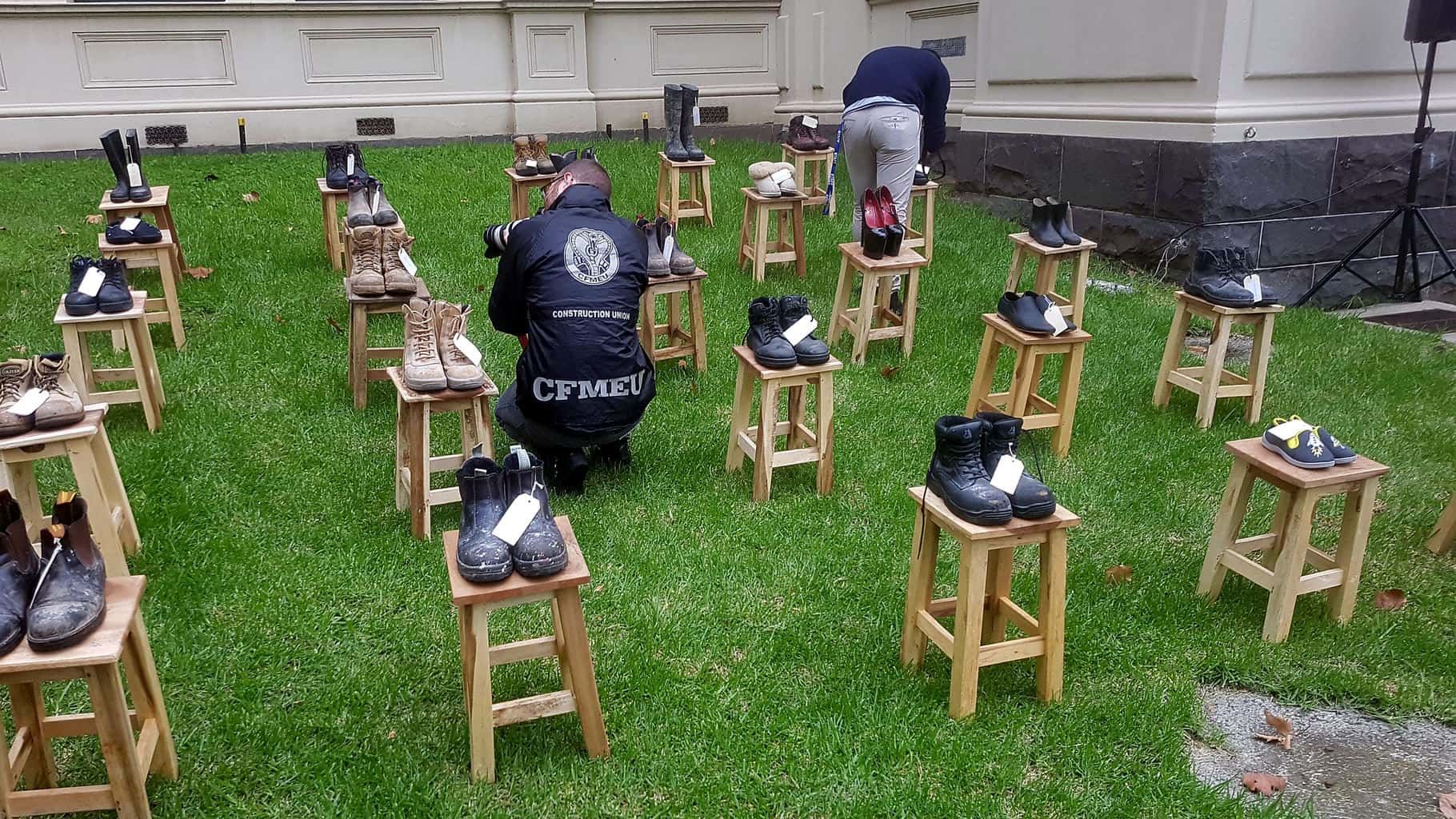
Trade unions offer alternative, more accurate(?) workplace death statistics

The Victorian Trades Hall Council (VTHC) indirectly acknowledged the ILO theme for World Day for Safety and Health at Work in its media release for International Workers Memorial Day 2017.  The ILO was calling for more, and better, data on workplace injuries and illnesses.  VTHC questioned the official workplace fatality numbers issued by the government.  It stated:

“A VTHC analysis shows that in 2016-17 over 200 Victorians died as a direct result of Workplace injury or illness, although the government’s official tally for the year is just 26.”

This disparity needs to be discussed across jurisdictions because occupational health and safety (OHS) data has always been incomplete, a fact acknowledged by many government inquiries in Australia for many years.  

Subscribe to SafetyAtWorkBlog to continue reading.
Subscribe Help
Already a member? Log in here

Hi-viz and safety – it’s all about the context

High visibility clothing has spread from the work site to the public arena and, as such, has complicated the reasons for hi-viz clothing.  However the fundamental underpinning of high-viz is to contrast against the surrounding environment. This contrast does not only relate to clothing but also signage.

Several years ago, a couple of women from Tasmania visited the offices of SafetyAtWorkBlog to discuss the practicality of hi-viz vests for toddlers and small children.  The hi-viz logic of the work site is easily applied to the public park or farms.  A contrasting colour to the trees or bushland would make it easier to identify someone, like a wayward child.  On a work site, the hi-viz is more about identifying a hazard, whether that be a person, an overhead wire or a work boundary.

Subscribe to SafetyAtWorkBlog to continue reading.
Subscribe Help
Already a member? Log in here
Concatenate Web Development
© Designed and developed by Concatenate Aust Pty Ltd