Where is work-related suicide in the Suicide Prevention Strategy?

Cover of Suicide_Prevention_2020_Strategy_Final_6.sflbFor all the discussion of workplace mental health, work-related suicide continues to receive little attention.  Part of this is because unexpected fatalities are shocking and distressing, even more so when the deaths are the result of the worker’s own efforts.

Recently the
Subscribe to SafetyAtWorkBlog to continue reading.
Subscribe Help
Already a member? Log in here

Safety is the first agenda item but the last consideration

It is a common business activity to include Safety as an agenda item in all meetings.  This is intended to show that a company sees Safety as an integral component of all business decisions. But such an action can also be used to dismiss Safety by those who do not see it as related to production or the production program.

Some years ago I was an occupational health and safety (OHS) adviser for a client on a construction project. The project had Safety as the first item of business on the weekly progress meeting.  I was invited to attend and contribute.  The Project Manager opened the meeting, asked if anyone had a “Safety Share”, and then advised that the project had had no incidents in the previous week.

Subscribe to SafetyAtWorkBlog to continue reading.
Subscribe Help
Already a member? Log in here

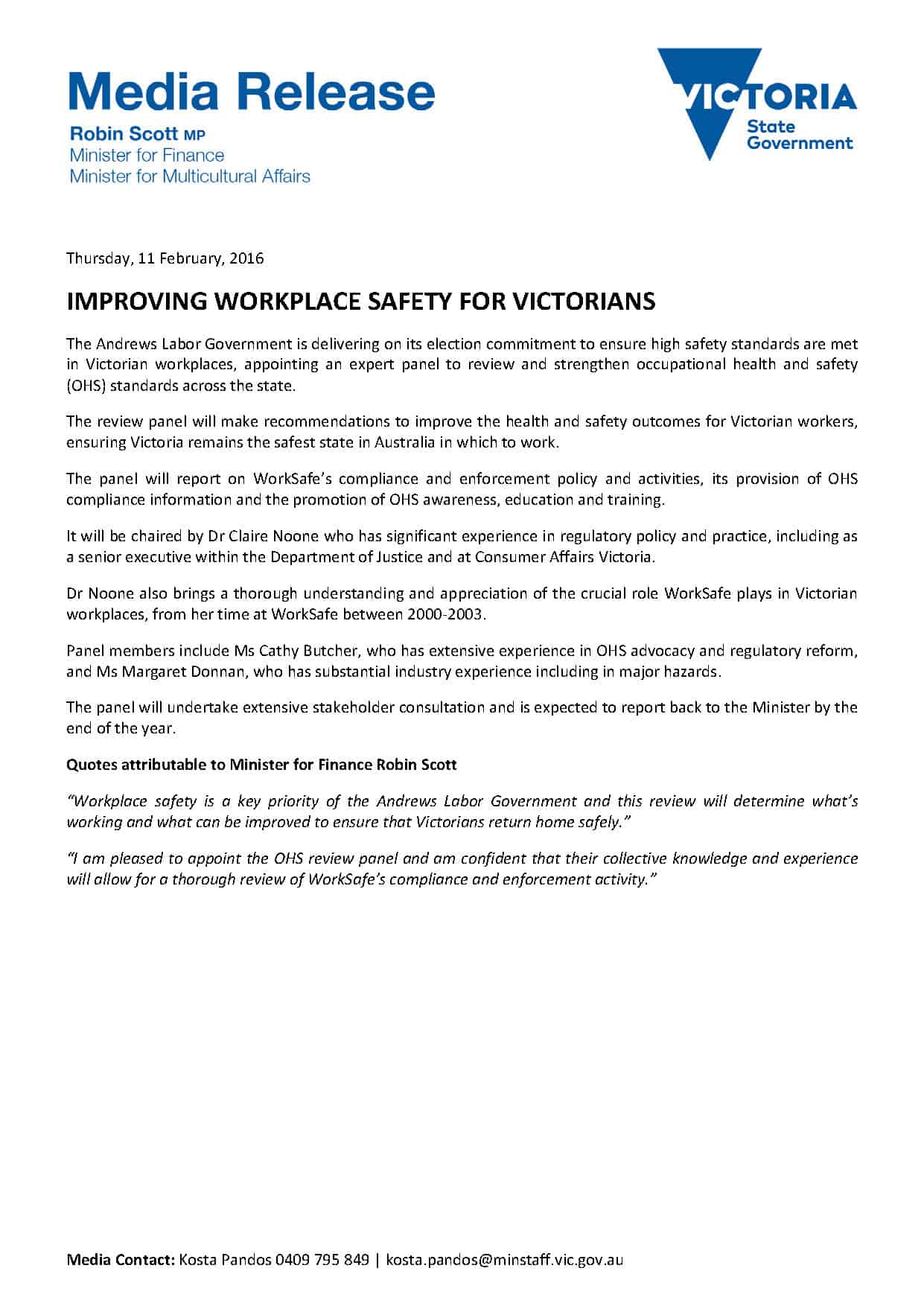
Victoria announces a new OHS review

Cover of -Improving-Workplace-Safety-For-VictoriansOn 11 February 2016, the Victorian Government announced a review into occupational health and safety (OHS) but you would hardly have noticed. The media release gained little attention in any of the mainstream press and yet its terms of reference are quite broad.  It will be interesting to see how the review panel sets its agenda.

But, hang on, wasn’t there already some sort of review into WorkSafe Victoria?

Subscribe to SafetyAtWorkBlog to continue reading.
Subscribe Help
Already a member? Log in here

Can OHS achieve change in a neoliberal world?

The operation of the European Union is a mystery to everyone outside the EU and to most people in the EU.  Any organisation that juggles the legislation of over 20 countries has a thankless task but some of the work being undertaken by occupational health and safety (OHS) advocates provides a clarity on power relationships between employers and workers. I never tire of reading articles and editorials by Laurent Vogel of the European Trade Union Institute. Below is an excerpt from his editorial in the Autumn-Winter 2015 edition of HesaMag: Continue reading “Can OHS achieve change in a neoliberal world?”

Extracting good from maps of death

Ever since I read the London Encyclopaedia during my honeymoon in England, I have waited for a similar encyclopaedia based on workplace safety. However, the world has changed since then and such an encyclopaedia would most likely to be created as an app.

The London Encyclopaedia is indexed by places, streets and addresses, and so should a “Safety Encyclopaedia” app through a localised map of workplace fatalities.

Subscribe to SafetyAtWorkBlog to continue reading.
Subscribe Help
Already a member? Log in here

Important research into workplace cyber-bullying

Last week several Australian news sites reported on a new thesis about public servants and cyber-bullying which is discussed in detail below. The reports are based mostly on a media release about the research issued by Queensland University of Technology (QUT).  What caught my eye was the statement in the one media report that the researcher, Dr Felicity Lawrence,

“…said traditional workplace bullying already cost the nation about $36 billion a year, “so the cost of cyber bullying on productivity could be profound”.

Not true.  In the QUT statement, Lawrence stated

“Traditional workplace bullying costs the national economy up to $36 billion each year, so the cost of cyberbullying on productivity could be profound,…”

“up to” vs “about? This differentiation is important because the lack of clarity creates OHS myths and these myths can misinform policy priorities and public understanding of workplace hazards.

Subscribe to SafetyAtWorkBlog to continue reading.
Subscribe Help
Already a member? Log in here

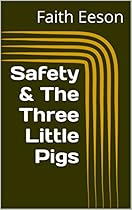
Safety and The Three Little Pigs – WTF?

One of the benefits of the Internet is that people are able to distribute their thoughts in a variety of formats. (I am surely not the first to see some parallels with pamphleteering in the 1700s.) In November 2015, Australian safety professional Faith Eeson published Safety & The Three Little Pigs as an e-book.

The book is not a manual or a deep analysis of a particular safety topic.  It is a rumination on various safety-related issues with each chapter being no more than a couple of pages each.  Eeson peppers the e-book with references to fresh contemporary incidents in Australia, such as the Lindt Cafe siege last year in Sydney or the community prevalence of methamphetamine.  It may just the type of e-book that some small business owners made need for reassurance and guidance Continue reading “Safety and The Three Little Pigs – WTF?”

Concatenate Web Development
© Designed and developed by Concatenate Aust Pty Ltd