
One in three safety devices unfit to save lives

On September 3 2013 I will be on a panel in Sydney discussing issues associated with working at heights. Below is a media release (not yet available online) about the panel and some recent data on working at heights risks. The quotes are mine.

Inaction by policy makers is putting lives at risk and now, says a peak safety industry body, there are the numbers to prove it.

The Working At Heights Association (WAHA) will host a crisis summit on Tuesday at The Safety Show Sydney, where it will reveal that one in three roof anchors are unfit for use. Of the 3245 anchors audited by association members over the last three months, 2260 were deemed unusable.

Part of the problem, says WAHA secretary Gordon Cadzow, has been the lack of awareness of the number of inadequate safety systems on Australia’s rooftops.

Continue reading “One in three safety devices unfit to save lives”
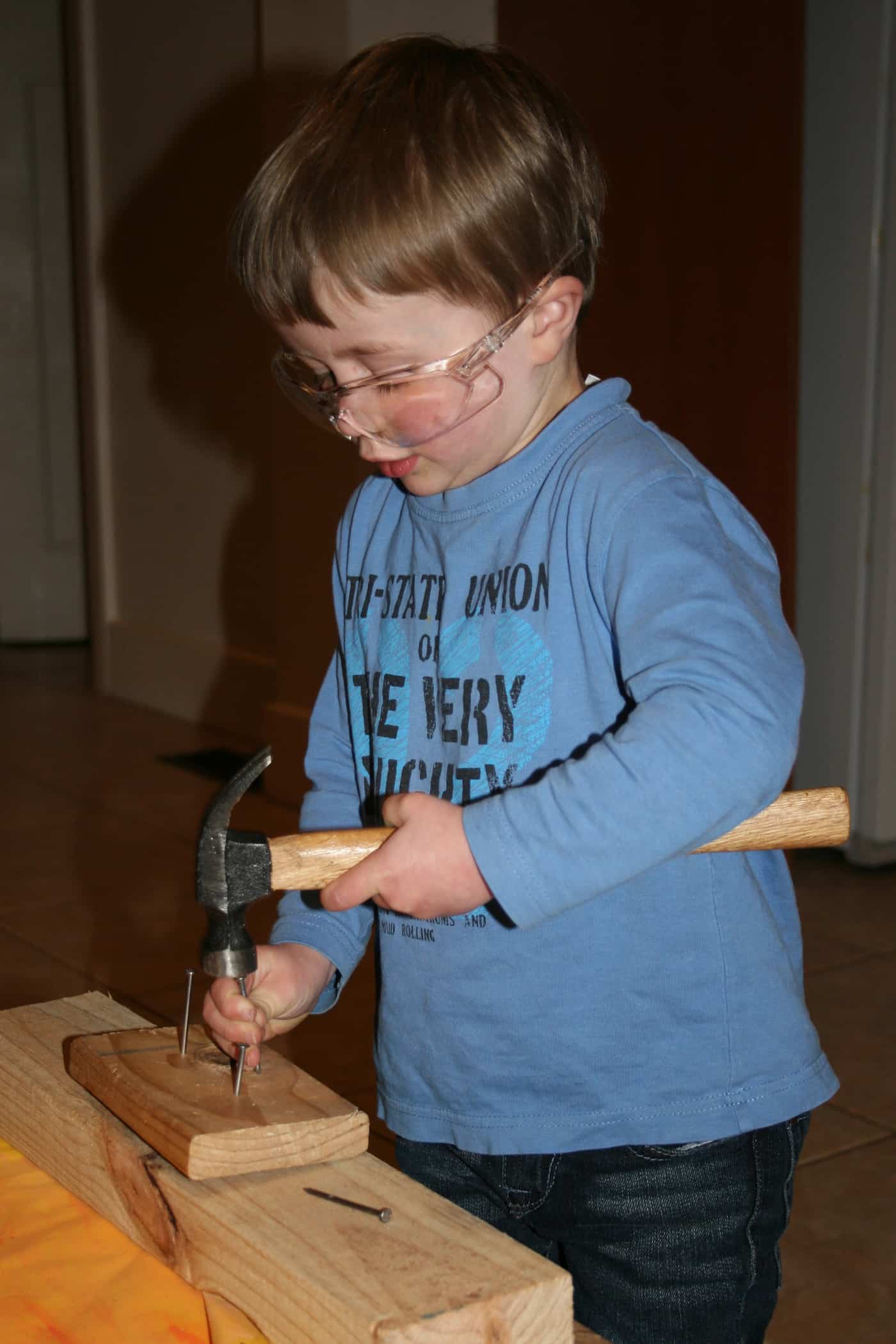
One is never too young to learn about safety but we may be too old to change

Recently a colleague of mine expressed regret that occupational health and safety in Australia is no longer occupational. Occupational health and safety (OHS) established its parameters in its title but now most of Australia is bound to Work Health and Safety laws. Work is more than a workplace and so the discipline, the OHS profession, became more complex. Some would say that it has always been complex and that many OHS professionals failed to see the bigger picture, the broad social context of workplace health and safety.

Children 6582I was reminded of my colleague’s regrets when someone on a construction site recently asked for my opinion on some pictures of her son, at a childcare centre, hitting some nails into a block of wood. The boy (pictured right, at home) was wearing safety glasses, albeit a little large; the “work area” was separated from the rest of the children and the boy was supervised at all times by a child care worker. I was told that some of the parents had expressed concern that such an activity should not be happening in a childcare centre due to the potential risk to other children.
Continue reading “One is never too young to learn about safety but we may be too old to change”

Focus on Safety and compliance will come

Everyone wants clarity.  We want the comfort of knowing we are doing the right thing or that we are meeting the targets we and others set.  Workplace safety is no different but it has been complicated to an extent that clarity is unachievable and so uncertainty has come to dominate.

Occupational health and safety (OHS) consultants are often asked by business, small business in particular, “just tell us how to comply”.  Once upon a time this could be done but now the best a consultant can do is say something like “I reckon you’ll be okay, ……. if you follow through with the commitments needed, and keep your state of knowledge up to date, and take out as many liability insurances as you can, and become a member of an industry association ….and……..and…..”

The cult of “reasonably practicable” has been a major cause of this uncertainty but even prior to this was the move in Australia in the 1990s from a prescriptive regulatory structure to performance-based.

OHS compliance is now at the stage of the “best guess” or an “educated guess”, if one is lucky.  Continue reading “Focus on Safety and compliance will come”

IR to HR to OHS to WHS to Mental Health in one lunchbreak

Every so often, legal seminars on industrial relations and occupational health and safety identify possible solutions instead of spruiking a lawyer’s latest publication or showing off legal expertise and OHS ignorance.  In a lunchtime seminar in July 2013, Melbourne law firm Maddocks provided 30 minutes of clarity on flexible working arrangements and another 30 on workplace bullying, providing a useful and refreshing bridge between human resources, industrial relations and OHS.

Continue reading “IR to HR to OHS to WHS to Mental Health in one lunchbreak”

Workplace drug data needs a creative application

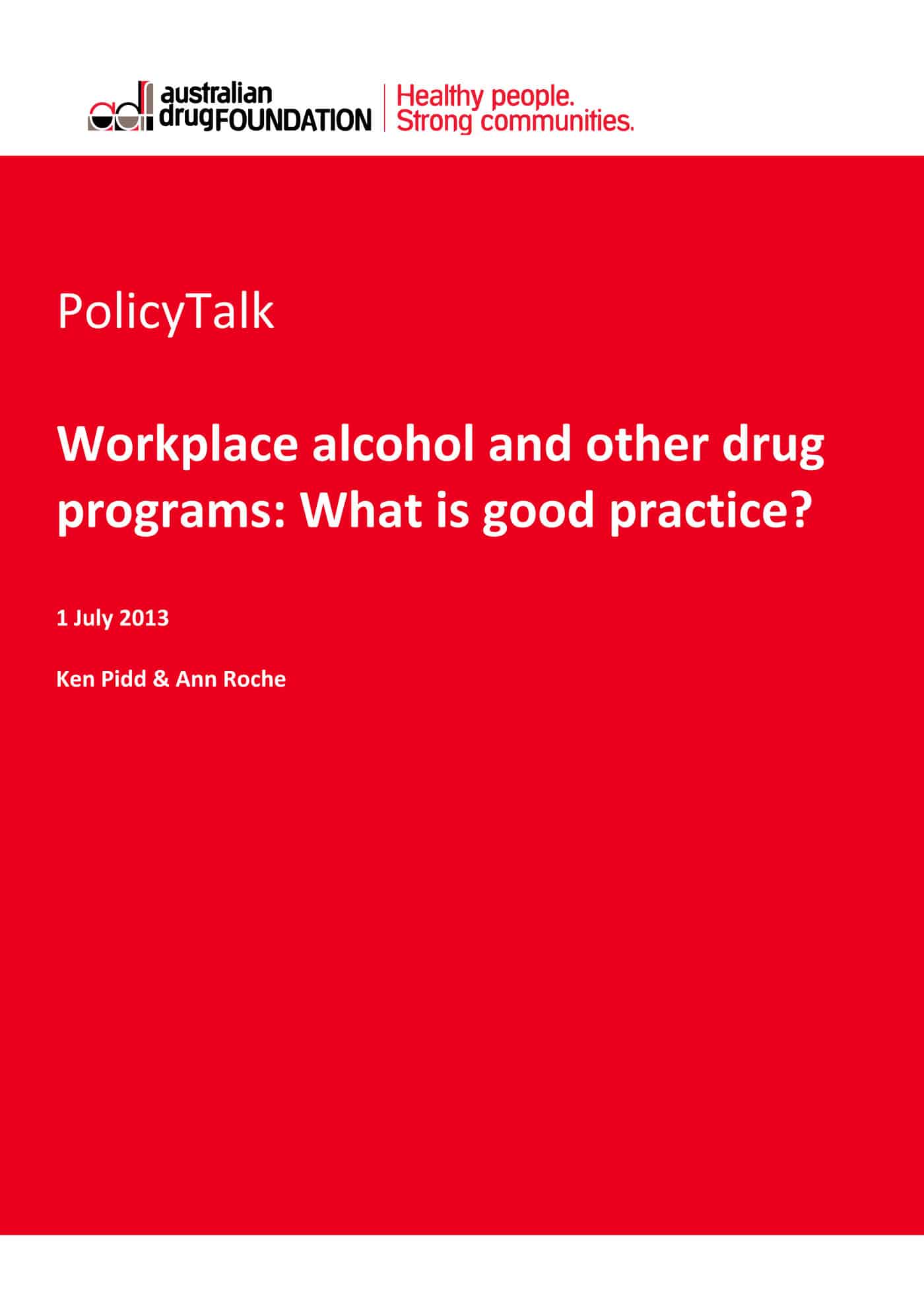
Pages from policy talk - workplace alcohol and other drug programs - australian drug foundation - july 2013On 12 July 2013 the Australian Drug Foundation reported that alcohol use is responsible for:

  • five per cent of all Australian workplace deaths, and
  • up to 11 per cent of non-fatal injuries.

These figures should be of great concern to everyone but what if these figures generate no concern and no outrage, and no change?

The significance of the research data above and in the full document – Workplace alcohol and other drug programs: What is good practice? – is not in the research but in the potential responses to the research. Continue reading “Workplace drug data needs a creative application”

How good intentions can lead to workplace deaths

The recent coronial finding into three workplace deaths related to an Australian government economic stimulus package in 2009 has muddled the safety profession over the political context and the OHS context of these deaths.  But the finding and resulting discussions could be the catalyst for a much-needed analysis of how decisions made with good intentions in Canberra can lead to the tragic personal and shopfloor decisions in the suburbs.

Nanny State

The Home Insulation Program (HIP) could have been interpreted as government “interference” in the market and been badged as “nanny state” economics.  However it may be possible to argue that Prime Minister Rudd could have been an economic hero if the Home Insulation Program had continued without any deaths. Continue reading “How good intentions can lead to workplace deaths”

The “if you’re not sure, ask” campaign needs “if unsafe, fix”

WorkSafe Victoria has asked me in the past why I do not report on some of their successful activities and promotional campaigns.  Recently WorkSafe Victoria has been running what appears to be a very successful safety campaign focusing on young workers. The campaign is called “if you’re not sure, ask“.  The television and online advertisements again feature confronting workplace injuries but the significant difference in this case is that there is a social context about body image.  This element of the campaign is very effective however, from the perspective of an old fart of a safety professional, the advertisements miss the role of the supervisor and the importance of a safe working environment.

Continue reading “The “if you’re not sure, ask” campaign needs “if unsafe, fix””

Concatenate Web Development
© Designed and developed by Concatenate Aust Pty Ltd