
Increased productivity and dignity at work are achievable

David Yamada, in his blog Minding the Workplace, states that

“the more we can get the concept of human dignity into our everyday discussions of work, the better.”

SafetyAtWorkBlog is a supporter of dignity at work and it is heartening to see that the concept is being discussed globally.  Dignity, as an activator for change, seems to be a missing element in not only The Hedgehog Review but also very recently released reports, OHS guidances and Australia’s debate on productivity.

The Australian Human Rights Commission released a report last week about sexual discrimination called Working Without Fear.  A quick word search for “dignity” shows no results, nor do searches for “bully” or “bullying”.  This is disappointing but perhaps should not be a surprise as this report indicates again that the Australian Government considers sexual discrimination and workplace bullying to be separate issues although lawyers and the media often overlap the two.

The Working Without Fear report, based on a large telephone survey concludes that

“…. targets of sexual harassment are most likely to be women and less than 40 years of age. Consistent with previous surveys, the 2012 National Survey also shows that the harassers are most likely to be male co-workers, though women were at least five times more likely than men to have been harassed by a boss or employer. Men Continue reading “Increased productivity and dignity at work are achievable”
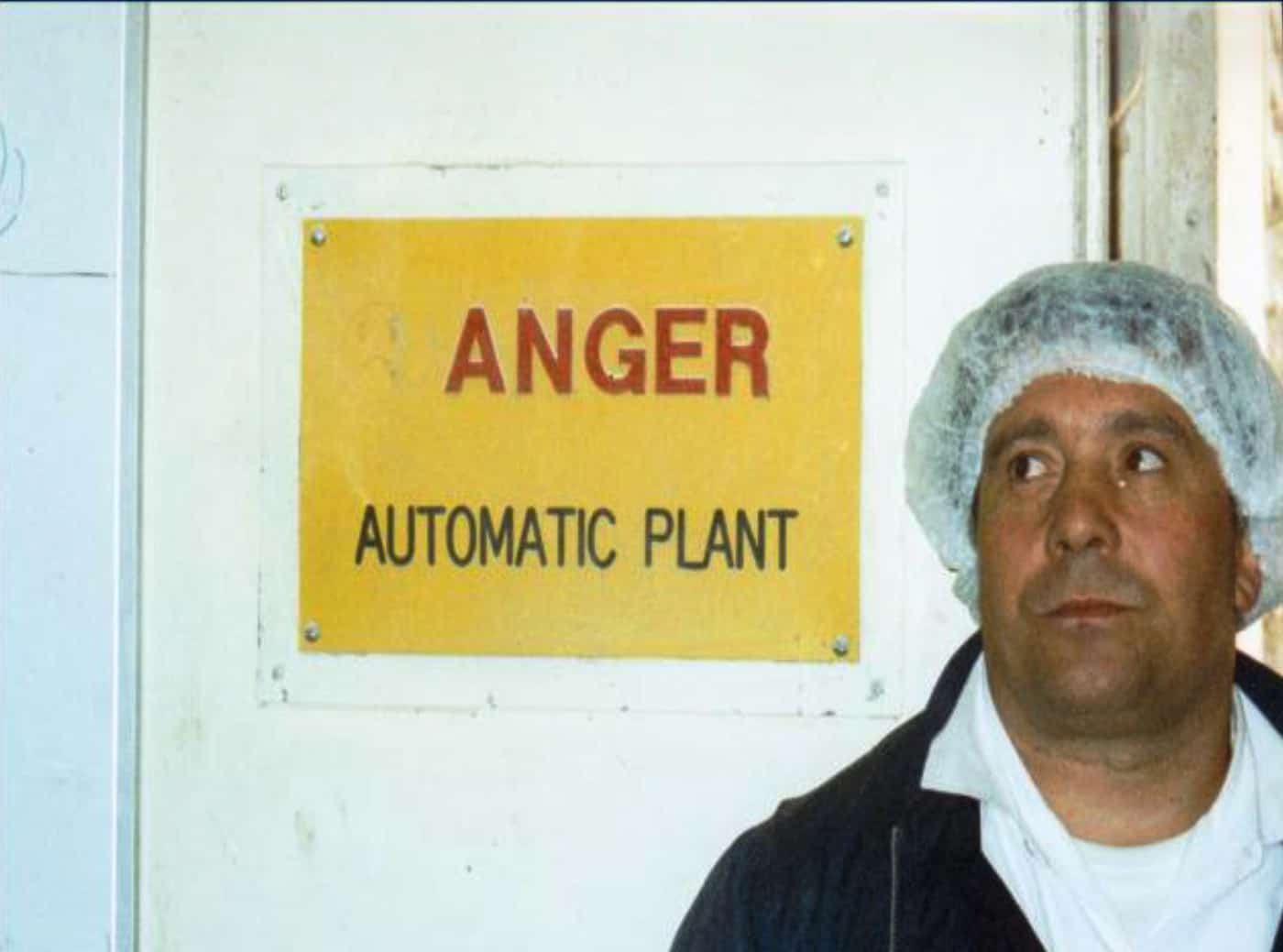
Half bored and tired to death

They both nodded in agreement when she said, “I’m half bored to death in this job, nearly had it”.  Both women were freezing, sitting outside in the covered area.  Their fingers blue.

The short morning break.  You hurry, you panic, get a quick hot drink, a cigarette, quickly back into it.  Hour after hour after hour “for the last 20 years” she said.  From 5 am when she gets up to do things before rushing to work to start at 7 am.  Rush back home at 3 pm to pick up ‘the youngan-whydidIdoit’ as she said of her late in life baby.  She looked about 40.

Of course workplace fatalities and injuries are heart breaking tragedies.  People work to earn a living, this is not a war zone.   But the more common issues at work, those that grind people hour by hour for decades of their one single life are not to do with that.

They are to do with what in polite text will spawn dots.  It’s to do with the daily tiredness, humiliation and wall-to-wall disrespect experienced by so many workers on a daily basis. It’s to do with that exhausting sense of,  ‘I’ve just about had enough’.  It’s to do with what I call F..kwit Fatigue. Continue reading “Half bored and tired to death”

New workplace safety laws set to pass in South Australia in October

South Australian Independent Member of Parliament, John Darley, has been negotiating on that State’s Work Health and Safety laws for many months.  On 17 October 2012, according to a media release from SA’s Premier Jay Weatherill and Workplace Relations Minister Russell Wortley, Darley agreed to support the passing of the laws after achieving some amendments.  Those amendments involve changes to

  • height limits,
  • duty of care,
  • the right to silence, and
  • the right of entry.

Tammy Franks, a Greens MLC, was able to achieve an expansion of the number of days available for OHS representative training.

A spokesperson for John Darley told SafetyAtWorkBlog that another change was for any WHS codes of practice to undergo a small business impact assessment in consultation with the Small Business Commissioner.  Darley’s spokesperson said that the MP had met with Business SA after it changed its position on the WHS laws.  The amendment above is likely to address the small business concerns that BusinessSA raised in its letter to its members earlier this month.  The flip-flopping of BusinessSA on workplace health and safety laws was always curious and it is likely to put the organisation at a negotiating disadvantage once the laws passed.  It may try to claim a mini-victory through the small business change but the change appears to have occurred due to Darley’s efforts and not through any relationship with the South Australian Government. Continue reading “New workplace safety laws set to pass in South Australia in October”

Truly acknowledging failure provides a strong base for improvement

When one fails in safety management, people can get hurt or die, yet safety professionals and business executives rarely acknowledge this failure, even though companies may plead guilty in court. Instead “mistakes” are made, “deficiencies” are identified and investigations uncover “areas for improvement” but these are rarely described as “failures”.

October 13 was the International Day For Failure (IDFF), a day that is intended to provide a structure for the discussion of failure and how we respond to, and cope with, failure.  The quote that most summarises the day is

“Failure is not the enemy, the fear of failure is”.

Part of the impediment for growth in safety management is that people are encouraged to deny liability for their actions.  Executives receive legal advice to say as little as possible and to keep as much as possible under legal-client privilege.  This is anathema to the principles of safety management that require failures to be acknowledged and for new preventive strategies to be developed. Yes, shit happens but safety management is particularly required to not let the shit happen twice. Continue reading “Truly acknowledging failure provides a strong base for improvement”

Workplace safety apps reviewed

Workplace safety apps are a fairly new addition to smart technologies and they are of variable quality and application.  Below is a quick review of some.

Glossary

One of the earliest OHS-related apps and most basic was Derek Viner‘s  Safety101.  This is essentially nothing more than a glossary of risk and safety terminology.  It has not been updated since April 2010.  The potential of this app beyond student use would be as a base for further construction of a safety-wiki or some other contemporary safety product.  The app has several spelling mistakes, needs refreshing as it is showing its age and needs to do so much more so as it is not just an off-Wikipedia curiousity.  The content needs to be given to an app-developer to create a more commercial and useful product.

Luxmeter & Luxmeter Pro

Luxmeter is curious app that uses the iPad camera to determine lighting levels.  It does not claim to be an official, technical, calibrated light meter but does provide a guide to the lux levels in a range of domestic situations. Should these readings be relied on?  Absolutely not.

Luxmeter Pro2 provides a more useful tool as it allows for calibration and more measurement options but as there is no help screen or manual, it is next to useless for the average user.

News

There are a couple of news aggregators that focus on workplace safety topics such as OH&S (developed by Smart Media Innovations) and Safety News (developed by Safety Culture).   Give them a miss and learn how to customise more effective readers and ones that show more respect for copyright.   Continue reading “Workplace safety apps reviewed”

Momentum increases for tangible action on workplace bullying

According to the Canberra Times, a company board has been served with an improvement notice over inadequate attention to workplace bullying claims in a retirement home.  The ABC television program, 7.30, has followed up workplace bullying claims aired earlier this month with a further case on 25 September 2012 with savage criticism of WorkSafe Victoria’s actions in the case.

The Australian Government has completed the public hearings of its Parliamentary Inquiry into workplace bullying.  Bullying is everywhere but little seems to be happening to address the various elements and deficiencies of the regulatory system.

On 21 September 2012 the WorkSafe ACT Commissioner warned about inaction on workplace bullying:

“If bullying has not occurred, then a properly conducted investigation should find that… If, on the other hand, an independent investigation substantiates the allegations, then the employer will be in a position to act to protect their workers from any ongoing threat to their health and safety.” Continue reading “Momentum increases for tangible action on workplace bullying”

Strengthening safety decision-making

Any professional sees elements of their profession in other walks of life.  Police notice infringements when they are off duty.  Teachers often continue to instruct or educate when outside of school.  Journalist’s conversations with friends often contain pointed questions.

Safety professionals, commonly, extend safety principles to their own behaviours and lives.  This can sometimes lead to a heightened intolerance of unsafe behaviour in others but also desires that life operated on safety principles.  Today I wondered about the application of the concept of “Reasonably Practicable” in prioritising corporate and personal safety objectives.

I simplified (bastardised, some may say) the Safe Work Australia guideline on reasonably practicable into questions that we should ask in our non-OHS lives but, most importantly, the priority of the reasonable practicable process is retained.  The questions, in order of priority are:

  • How important is it?
  • How harmful could it be?
  • What do we know about it?
  • How can we control it?
  • How much will it cost?

Self-help aficionados may see these as life lessons or criteria that can be applied to many decisions.  I agree to some extent but the priority of the questions is of most importance in the decision-making process because it places the issue of cost last. Continue reading “Strengthening safety decision-making”

Concatenate Web Development
© Designed and developed by Concatenate Aust Pty Ltd