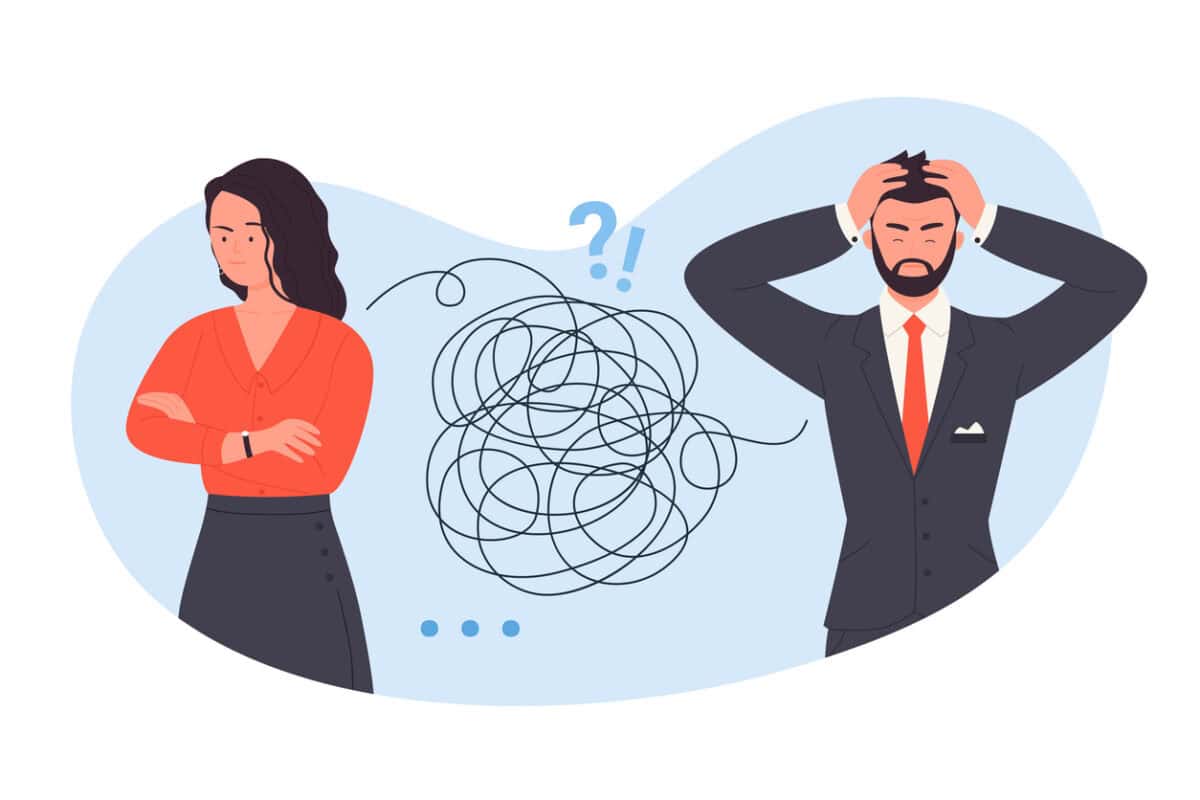
Our understanding of stress continues to evolve even though it seems to be splintering into mental health. mental illness, psychosocial harm, mental well-being and more. Recently Orla T. Muldoon of the University of Limerick published “The Social Psychology of Trauma- Connecting the Personal and the Political”. I dipped into this book and found some information pertinent to the occupational health and safety (OHS) approach to post-traumatic stress.
Category: workplace
Veterans, Suicide, Culture and Crompvoets
For many years, occupational health and safety (OHS) has been fixated on “Culture” as an encompassing term for what management activity does not work and what does. The focus has faded slightly since the COVID-19 pandemic. Still, Culture made an important reappearance this week with the delivery of the final report of Australia’s Royal Commission into Defence and Veteran Suicide. However, some of the most telling analyses of the safety culture in the Australian Defence Forces occurred in 2021 with the work of Samantha Crompvoets.
NOTE: this article discusses suicides
Useful psychosocial case study
Employers and health and safety professionals are desperate for case studies of companies that have successfully applied the recent occupational health and safety (OHS) emphasis on managing and preventing psychosocial hazards at work. Safe Work Australia has released a case study on this in the retail industry.
“Managing the risk of psychosocial hazards in retail” is a very good idealisation of the health and safety risk assessment process, but some items are missing.
Regulations are guardrails
One of the learnings from the recent report into the Grenfell Tower Fire was the failure of regulations and their enforcement. Much attention was given to many of these failures happening during the UK Government’s “red tape challenge” where two (or more) regulations were removed for every one introduced.
“How can I make my workers safer?”
Most of the Australian occupational health and safety (OHS) regulators have released their calendars of events for October. There are many invaluable events, especially for those in small- to medium-sized businesses or who have been delegated as “responsible” for OHS in those companies. There are several special events and symposiums for those of working in OHS full time, but here are three themes that I would like to see discussed during the 2024 National Safe Work Month?
Continue reading ““How can I make my workers safer?””HR is “evolving” but slowly
Human Resources (HR) is on a slow journey to fully understand the efforts and strategies for preventing workplace psychosocial hazards. This article from Phoebe Armstrong in HRMonthly is a good example. It will nudge HR readers in the right direction. Still, the article has many curiosities and a reticence to fully accept the legislative occupational health and safety (OHS) approach.
To understand Safety, one must understand Work
To understand occupational health and safety (OHS), you must understand the broader topic of work. Work is not necessarily more complex than OHS, but there are more opportunities to be distracted.
Earlier this year, Andrea Komlosy‘s excellent analysis of work—”Work—The last 1,000 years“—was published in English for the first time. The book hardly discusses OHS, but Komlosy’s feminist and European perspective is refreshing after reading narrow and insular analyses from the United States.